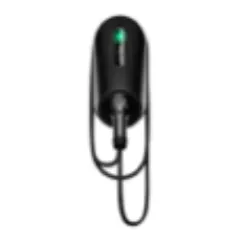
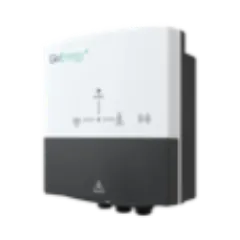
Two Renewable Energy Chargers, Two Very Different Approaches
The myenergi Zappi GLO and the GivEnergy EV Charger both target homeowners who generate their own electricity. On paper, they sound similar — solar diversion, energy monitoring, RFID access. In practice, they're designed for fundamentally different setups, and picking the wrong one means paying for features you'll never use.
In a nutshell:
- myenergi Zappi GLO (£599): The gold standard for solar-to-EV charging, with three diversion modes and a mature ecosystem of energy products.
- GivEnergy EV Charger (£478): Purpose-built for homes with battery storage, letting you charge your EV from energy banked earlier in the day — or overnight on a cheap tariff.
Is the Zappi GLO's Solar Diversion Worth £121 More?
If you have solar panels but no home battery, absolutely. The Zappi GLO's Eco+ mode waits until your panels are producing enough surplus and diverts it entirely to your car — zero grid draw, zero cost. Eco mode blends solar and grid power to maintain a minimum charge rate. No other charger on the UK market matches this level of granularity.
The GivEnergy charger does offer a solar divert mode, but it's basic by comparison. It works, but it doesn't give you the same fine-grained control. Where GivEnergy gets interesting is if you've already stored that solar energy in a home battery. Then you can push stored kWh into your EV whenever you like — after dark, during peak rates, whenever suits you. That's a trick the Zappi GLO can't do on its own (though pairing it with a myenergi Libbi battery gets you there, at considerably more cost).
So the question maps neatly onto your hardware: panels only → Zappi GLO. Panels plus battery → GivEnergy likely makes more sense.
Does the GivEnergy Charger Make Sense Without a Home Battery?
Honestly, not really. Strip away the battery-to-EV feature and you're left with a competent but unremarkable 7kW charger with a basic app and limited smart tariff integration. At £478 it's not expensive, but the Ohme Home Pro offers far superior smart tariff scheduling, and several cheaper chargers exist if budget is the priority.
The GivEnergy monitoring portal is decent for tracking consumption, but it's built to orchestrate a whole GivEnergy ecosystem — inverter, battery, charger. Using it as a standalone charger app feels like driving a lorry to the corner shop.
Smart Tariff Support: A Clear Gap
This is where the Zappi GLO pulls away from the GivEnergy for anyone without a battery. The Zappi GLO supports Intelligent Octopus Go, meaning you can charge at roughly 7p/kWh overnight and then top up for free from solar during the day. That combination — smart tariff plus solar diversion — is about as cheap as EV charging gets in the UK.
The GivEnergy charger offers scheduled charging but lacks direct integration with the major smart tariffs. If you have a GivEnergy battery, you can work around this by charging the battery on a cheap overnight rate and then pushing that energy to your EV. It's an extra step, but the end result is similar. Without the battery, though, you're stuck with basic time-of-use scheduling.
The Ecosystem Question
Both chargers are designed as entry points into broader energy ecosystems. myenergi offers the eddi hot water diverter and Libbi home battery; GivEnergy sells inverters, batteries, and the All-in-One system. If you're planning a phased approach to home energy — starting with an EV charger and adding solar or storage later — your choice here could lock you into one ecosystem for years.
myenergi's ecosystem is more mature on the demand-side (diverting energy you're generating right now). GivEnergy's ecosystem is stronger on the storage side (managing energy you've already captured). Neither is wrong, but they reward different strategies. Our guide to the best EV chargers for solar covers this in more detail.
One practical difference worth flagging: the Zappi GLO comes in both tethered and untethered versions, with a longer 6.5m cable on the tethered model. The GivEnergy is tethered only, with a shorter 5m cable. If your driveway is long or your consumer unit is awkwardly placed, that extra 1.5 metres could save you installation hassle.
Which Should You Buy?
Buy the myenergi Zappi GLO if:
- You have solar panels and want the best possible solar-to-EV charging
- You're on or considering Intelligent Octopus Go
- You want the option of building out a myenergi ecosystem over time
- You need an untethered version or a longer cable
Buy the GivEnergy EV Charger if:
- You already own a home battery (GivEnergy or otherwise)
- You want to charge your EV from stored energy, not just live solar
- You're building a GivEnergy whole-home system
- You want to spend less upfront (£478 vs £599)
For most Tesla owners with solar panels and no battery, the Zappi GLO is the stronger choice — its diversion modes are unmatched and the smart tariff support fills the gaps when the sun isn't shining. If you've committed to the GivEnergy battery ecosystem, their charger slots in neatly and the battery-to-EV feature is a genuine differentiator. Everyone else should probably look at our best Tesla home charger guide — neither of these chargers is the right pick for a grid-only home.