Two British-Made Chargers, Two Very Different Bets
Here's an unusual comparison: two UK-manufactured EV chargers priced within £41 of each other, both with solid smart features, both OZEV-approved — yet targeting quite different buyers. The Hypervolt Home 3 Pro is the established all-rounder that ticks every box competently. The Simpson & Partners Home 7 is the design-conscious underdog with a warranty that dwarfs everything else on the market.
In a nutshell:
- Hypervolt Home 3 Pro (£690): The well-rounded choice with superior weatherproofing, built-in solar diversion, and a proven app ecosystem
- Simpson & Partners Home 7 (£649): The premium-build option with a 10-year enclosure warranty, anodised aluminium construction, and three-phase capability
Does a 10-Year Warranty Actually Matter?
It's the Simpson & Partners' headline number, and it deserves scrutiny. Ten years on the enclosure is extraordinary — the Hypervolt offers three years (extendable to five for an extra £100, bringing its total cost to £790). No other charger at this price comes close.
But read the fine print: that decade of coverage applies specifically to the enclosure, not necessarily all internal electronics. That's still meaningful — the anodised aluminium housing is genuinely built to last, and enclosure failure from weather damage is a real concern for wall-mounted outdoor units. If you're mounting this on a coastal property or an exposed wall, that long-term protection has real value. The Hypervolt counters with a higher IP66 + IK10 rating versus the Simpson's IP54, meaning it's better sealed against heavy rain and jet sprays, plus it's impact-resistant. So you're choosing between a charger that's harder to damage in the first place (Hypervolt) and one that's covered for longer if something does go wrong (Simpson & Partners).
Is the Hypervolt Home 3 Pro Better for Solar Owners?
If you've got panels on the roof, the Hypervolt makes your life easier. It includes a CT clamp for solar integration — no extra hardware, no additional cost. You can divert excess solar generation to your car automatically. It's not as sophisticated as the Zappi's Eco+ mode, but it works and it's included in the £690 price.
The Simpson & Partners Home 7 is listed as "solar compatible," which in practice means it can be scheduled around solar generation but lacks the Hypervolt's dedicated CT clamp hardware for automatic diversion. If solar self-consumption is a priority, the Hypervolt is the clearer choice here.
Smart Tariff Integration: Hypervolt's Quiet Advantage
Both chargers support smart tariff scheduling, but the depth of integration differs. The Hypervolt connects to a wider range of tariffs and its app — while not best-in-class — handles automated off-peak charging reliably. Energy tracking is built in, so you can see exactly what each charge session costs. If you're on Octopus Go or similar, check our EV tariff comparison to see what you'd save.
The Simpson & Partners supports Octopus Go, OVO Anytime, and EDF GoElectric through its own app. Functional, but the app is less refined and the brand's smaller user base means fewer community tips and workarounds when things get fiddly. Hypervolt's 5-second average customer support call response is a tangible advantage when you're staring at a blinking LED at 11pm wondering why your scheduled charge didn't start.
The Design Question: Aluminium vs Interchangeable Covers
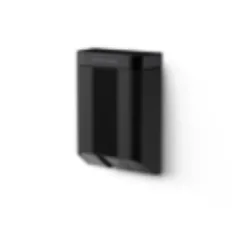
Aesthetics are subjective, but these two take different approaches. The Simpson & Partners uses anodised aluminium with finish options including Accoya wood — it looks like a piece of architecture, not a plastic box. If your charger is visible from the street or sits beside a front door, this matters.
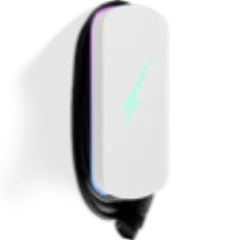
The Hypervolt is more compact (270 × 170 × 110mm versus 350 × 200 × 110mm) and offers interchangeable colour covers to match your home. It's a lighter unit at around 4.5kg compared to 5.5kg. Neither approach is wrong — one is premium materials, the other is customisable simplicity. The Simpson & Partners also offers both tethered and untethered versions, giving you flexibility the tethered-only Hypervolt can't match. And the Hypervolt counters with cable length options of 5m, 7.5m, or 10m — the Simpson & Partners tethered version comes with 5m only.
Which Should You Buy?
Buy the Hypervolt Home 3 Pro if:
- You want the safest all-round choice with proven smart features
- You have solar panels and want built-in diversion via CT clamp
- Weatherproofing matters — IP66 + IK10 is the toughest rating available
- You value responsive customer support and a larger user community
Buy the Simpson & Partners Home 7 if:
- Long-term durability is your priority — that 10-year enclosure warranty is unmatched
- You want premium aluminium construction and distinctive finishes
- You need an untethered option or three-phase capability
- You prefer to spend less upfront (£649 vs £690)
For most Tesla owners who want a reliable, feature-complete charger they can install and forget, the Hypervolt Home 3 Pro edges it. The smarter tariff integration, tougher weather rating, and solar CT clamp add up to a more complete package. But the Simpson & Partners Home 7 is a genuinely excellent alternative — especially if you care about how the thing looks on your wall and want the peace of mind of a warranty that outlasts most car finance agreements. At £649, it's one of the strongest value propositions in our best Tesla home charger guide.