Two Budget Chargers, Completely Different Reasons to Buy
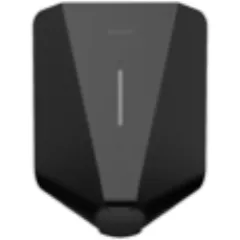
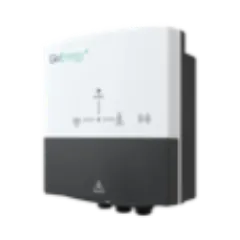
The Easee One and GivEnergy EV Charger sit within £73 of each other, both under £500, both single-phase, both with three-year warranties. On paper, they look like direct rivals. In practice, they're built for entirely different households.
In a nutshell:
- Easee One (£405): The cheapest quality smart charger you can buy — tiny, light, with bulletproof 4G connectivity
- GivEnergy EV Charger (£478): A specialist tool that turns your home battery into a fuel tank for your Tesla
If you don't have a home battery, this comparison is short. If you do, keep reading.
Does the GivEnergy's Battery-to-EV Charging Justify the Extra £73?
This is the only reason to pick the GivEnergy over the Easee. Most EV chargers with solar divert mode can route live solar generation to your car — that's table stakes. The GivEnergy goes further: it can discharge energy stored in your home battery into your EV. That means solar energy captured at midday while you were at work can charge your Tesla at 7pm when you get home.
For households with a GivEnergy battery (or any compatible home battery system), this is transformative. You're essentially driving on sunlight you collected hours earlier. Combined with the GivEnergy monitoring portal, you get a unified view of generation, storage, and EV consumption. If you're deep into the home energy ecosystem, nothing else at this price does what the GivEnergy does. Our best EV charger for solar guide covers this in more detail.
Without a battery? The GivEnergy's solar divert is fine but unremarkable, and the rest of the package is decidedly average.
Why the Easee One Is the Smarter Buy for Most People
Strip away the battery storage angle and the Easee One wins on almost every practical measure.
Connectivity is the big one. The Easee includes a built-in eSIM with lifetime 4G — no subscription, no renewal, no reliance on your home Wi-Fi reaching the garage. The GivEnergy is Wi-Fi only. Anyone who's wrestled with a flaky Wi-Fi signal to an outbuilding or detached garage knows how much this matters. Lose connectivity and you lose scheduled charging, load balancing, and app control. The Easee's 4G fallback means that never happens.
Weight and installation favour the Easee dramatically. At 1.5 kg, it's a third the weight of the GivEnergy (4.5 kg). Your installer will thank you, and it opens up mounting options on lighter walls or surfaces that might struggle with heavier units. It also has integrated Type-B RCD and open PEN protection built in, which can reduce the cost of additional electrical components during installation.
Dynamic load balancing is another Easee strength. If you're thinking about adding a second charger down the line — or already have two EVs — the Easee supports up to three chargers sharing a single fuse. The GivEnergy doesn't offer this.
Tethered vs Untethered: Does It Actually Matter for Tesla Owners?
The GivEnergy comes tethered with a 5-metre Type 2 cable permanently attached. The Easee One is untethered — a socket on the wall, bring your own cable.
For Tesla owners specifically, this is less of an issue than it sounds. Every Tesla ships with a Type 2 charging cable in the boot. You'll already have one. The untethered Easee keeps your wall clean and tidy, and means you're not stuck with a fixed cable length. On the other hand, the GivEnergy's tethered design means you just grab and plug — no rummaging in the boot.
It's personal preference, not a dealbreaker either way.
The App Experience: Easee Pulls Further Ahead
The GivEnergy monitoring portal is functional for tracking energy flows across your home, but as a standalone EV charging app, it's basic. Scheduling works, but there's no direct smart tariff integration, no granular session analytics, and the interface feels like it was designed for battery monitoring first, EV charging second.
The Easee app is more polished for day-to-day charging management. Scheduled charging is straightforward, and the dynamic load balancing controls are intuitive. Neither app matches the Ohme Home Pro or Tesla's own Wall Connector for smart tariff optimisation — if that's your priority, check our EV tariff comparison — but for general charging management, Easee is the more pleasant experience.
Which Should You Buy?
Buy the Easee One if:
- You want the lowest upfront cost for a quality smart charger
- Reliable connectivity matters (garage out of Wi-Fi range)
- You might add a second charger later
- You don't have a home battery system
Buy the GivEnergy EV Charger if:
- You have a home battery and want to charge your EV from stored energy
- You're building a full GivEnergy solar and storage ecosystem
- Whole-home energy monitoring in one portal appeals to you
For roughly 80% of Tesla owners reading this, the Easee One is the better buy. It's £73 cheaper, lighter, better connected, and more capable as a standalone charger. The GivEnergy earns its place only if you have — or are planning — a home battery setup. In that specific scenario, it's brilliant. For everyone else, save the money and go Easee. Our cheapest EV charger guide breaks down total installed costs if budget is your primary concern.