Two Small Chargers, One Big Price Gap
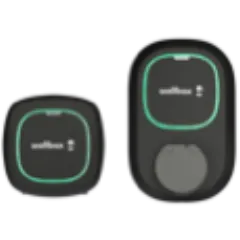
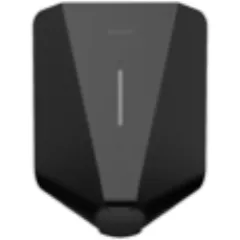
The Wallbox Pulsar Max and Easee One are both designed around the same idea: keep it compact, keep it simple, get the job done. They're among the smallest and lightest home chargers you can buy in the UK, and both carry a 4.5-star rating. But at £496 versus £405, there's a meaningful gap — and the cheaper charger actually includes features the pricier one doesn't.
In a nutshell:
- Wallbox Pulsar Max: The most compact charger available, with tethered convenience and three-phase capability
- Easee One: The cheapest charger on the market, with built-in lifetime 4G and integrated electrical protection
Does Built-in 4G Make the Easee One the Smarter Choice?
This is where the Easee One quietly embarrasses chargers costing far more. It ships with a built-in eSIM and a lifetime 4G data subscription at no extra cost. That means your charger stays connected and controllable even if your home Wi-Fi doesn't reach the driveway or garage.
The Pulsar Max offers only Wi-Fi and Bluetooth. If your router sits at the opposite end of the house from your parking spot, you're looking at a Wi-Fi extender or patchy connectivity. That's not a hypothetical problem — it's one of the most common complaints from EV charger owners. The Easee sidesteps it entirely, and you never pay a penny for the 4G service.
Is the Wallbox Pulsar Max Worth It for Three-Phase Homes?
If you're one of the minority with a three-phase supply, the Pulsar Max can deliver 22kW — roughly three times the speed of a standard single-phase charger. The Easee One is single-phase only, capped at 7.4kW. For three-phase properties, the Pulsar Max is the obvious pick from this pair.
For everyone else on single-phase, both chargers deliver identical 7.4kW output. The Pulsar Max's three-phase capability is irrelevant unless you're planning a supply upgrade, which typically costs thousands.
Tethered vs Untethered: Does It Actually Matter for Tesla Owners?
The Pulsar Max comes tethered with a 5-metre Type 2 cable permanently attached. You pull it out, plug in, done. The Easee One is untethered — a clean socket on the wall, and you supply your own cable.
Here's the thing: every Tesla sold in the UK comes with a Type 2 charging cable in the boot. So you already own a cable. The untethered Easee means a slightly longer routine — grab the cable, plug both ends, charge — but it also means a tidier wall mount and the flexibility to use different cable lengths. If you share the charger between two cars with different charging port positions, untethered can actually be more practical.
That said, if the thought of handling a cable in the rain every evening makes you wince, tethered wins on pure convenience. It's a personal preference call, not a technical one.
Installation Costs: Where the Easee Saves You Again
Both chargers quote £400–600 for standard installation. But the Easee One has integrated RCD Type-B and open PEN protection built into the unit. The Pulsar Max doesn't, which means your installer may need to add these components to your consumer unit — potentially pushing your total installation cost higher.
At 1.5 kg, the Easee One is also absurdly light. Installers love it. The Pulsar Max weighs 4.2 kg — still light by any normal standard, but nearly three times heavier. Neither will cause installation headaches, but the Easee's integrated protection could save you £100+ on electrical extras depending on your existing setup.
The Wallbox Pulsar Max Has Better Extras — But Do You Need Them?
Credit where it's due: the Pulsar Max offers voice control through Alexa and Google Assistant, Eco-Smart solar integration (though you'll need to buy Wallbox's separate Power Meter), and comes in six colours. It also boasts IK10 impact resistance, meaning it can handle a solid knock without damage. If your charger is near a tight parking space, that's reassuring.
The Easee One's app covers scheduling and load balancing but lacks voice control and solar integration. If you're considering solar panels, you'd be better served by a dedicated solar-compatible charger — our best EV charger for solar guide covers the strongest options.
Which Should You Buy?
Buy the Wallbox Pulsar Max if:
- You have or plan to get a three-phase electricity supply
- You strongly prefer a tethered cable for daily convenience
- Wall space is extremely tight and you want the smallest possible unit
- Voice control integration matters to you
Buy the Easee One if:
- You want the lowest purchase price — £405 is hard to argue with
- Reliable connectivity matters and your Wi-Fi doesn't reach your charger location
- You want integrated RCD protection to keep installation costs down
- You're happy using the Type 2 cable that came with your Tesla
For most Tesla owners on a standard single-phase supply, the Easee One is the better buy. It's £91 cheaper upfront, potentially cheaper to install thanks to built-in electrical protection, and its lifetime 4G connectivity solves a problem the Pulsar Max can't. The Wallbox is a well-made charger with a generous 5-year warranty, but its key advantages — three-phase power and compact size — only matter to a small subset of buyers. Check our cheapest EV charger guide to see how both stack up on total installed cost, or browse our best Tesla home charger guide if you want to widen the search.