Sync Energy Wall Charger 2 vs EcoFlow PowerPulse 2: Budget Value vs Solar Ecosystem
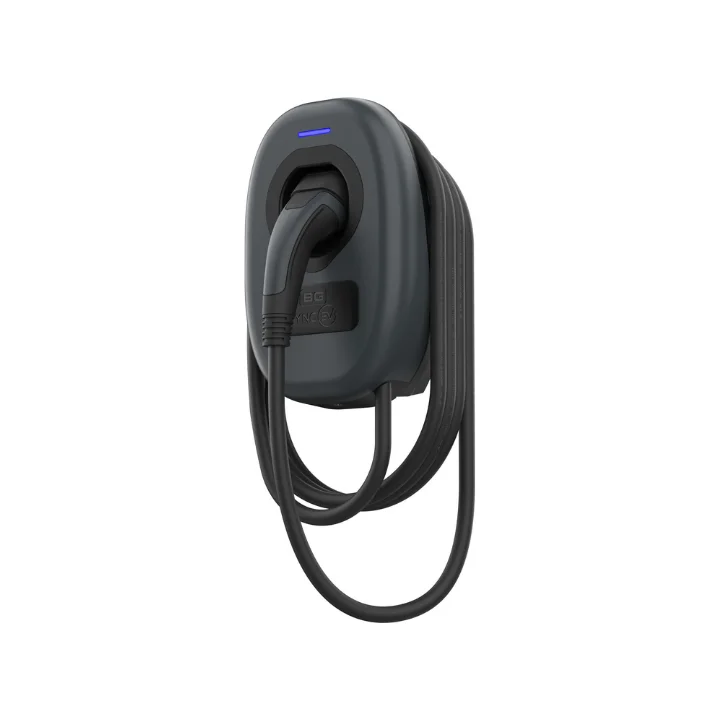
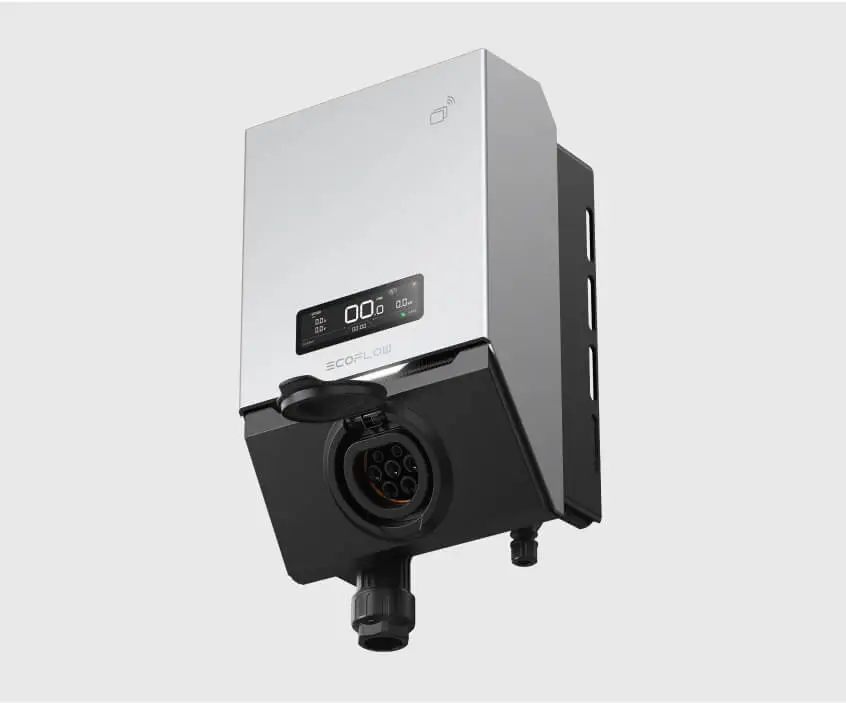
UK Value Champion vs Solar Ecosystem Newcomer
These two chargers sit at different price points and serve subtly different masters, yet they overlap in enough ways to make the choice genuinely tricky. The Sync Energy Wall Charger 2 is a budget-friendly workhorse from Luceco PLC — a listed UK electrical products company — that packs in solar diversion, dynamic load balancing, and built-in PEN fault protection at a price that undercuts most of the market. The EcoFlow PowerPulse 2 costs roughly £180 more but brings three-phase capability, a built-in LCD display, and — crucially — deep integration with EcoFlow's PowerOcean home battery and solar ecosystem.
If you are simply looking for a reliable, affordable smart charger that handles overnight scheduling and basic solar diversion, the Sync Energy is hard to beat on price. If you already own (or plan to buy) EcoFlow solar panels and a PowerOcean battery, the PowerPulse 2 ties everything together in a single app in a way no other charger can match. The question is whether that ecosystem premium is worth nearly 50% more at the checkout.
In a nutshell:
- Sync Energy Wall Charger 2 (£362): The best-value UK smart charger with solar diversion, PEN protection, and nine colour options — all from around £302 tethered.
- EcoFlow PowerPulse 2 (£545): A solar-and-battery ecosystem charger with three-phase support and an LCD display, built for EcoFlow product owners.
Spec Comparison
| Feature | Sync Energy Wall Charger 2 | EcoFlow PowerPulse 2 |
|---|---|---|
| Price | £362 (socketed); from £302 tethered | £545 (untethered); tethered 5m also available |
| Max Power | 7.4kW (single-phase) | 7kW (single-phase) / 22kW (three-phase) |
| Type | Untethered (Type 2) — tethered also available | Untethered (Type 2) — tethered also available |
| Cable (tethered) | 7.5m | 5m |
| Smart Tariff Support | TariffSense scheduling | Smart Mode (dynamic tariff optimisation) |
| Solar Features | SolarCharge (CT clamp solar diversion) | Solar Mode (prioritises surplus solar) |
| Connectivity | Wi-Fi, Ethernet, Bluetooth | Wi-Fi, RFID |
| Display | LED status indicator | LCD status display |
| OCPP | 1.6J | 1.6-J |
| Warranty | 3 years | 3 years |
| IP Rating | IP65 + IK10 | IP55 (IP54 without cable) |
| OZEV Approved | Yes | Not yet confirmed |
Smart Tariff Integration
Both chargers support scheduled charging to exploit cheap off-peak electricity — the single biggest money-saver for any UK EV owner. On a tariff like Octopus Go (7.5p/kWh between 00:30 and 04:30), charging a Tesla Model 3's 60kWh battery costs roughly £4.50 instead of £15+ at standard rates. Over a year of average UK mileage (~7,400 miles), that difference adds up to hundreds of pounds.
The Sync Energy uses its TariffSense feature to schedule sessions around your tariff's cheap windows, while the EcoFlow's Smart Mode goes a step further with dynamic tariff optimisation — potentially useful on variable tariffs like Octopus Agile, where prices change every 30 minutes. Both are OCPP 1.6J compliant, meaning they can connect to third-party energy management platforms for even more sophisticated control. For most drivers on a fixed off-peak tariff, TariffSense will do the job perfectly well. If you are on Agile or a similar variable tariff and want fully automated price-chasing, the EcoFlow's Smart Mode may justify its premium — though it is worth noting that established competitors like the Ohme Home Pro are the current gold standard for Agile integration, as highlighted by warmzilla.co.uk.
Solar Diversion
Solar diversion is where both chargers earn their "smart" credentials, and it is also where the EcoFlow's ecosystem advantage becomes most apparent.
The Sync Energy's SolarCharge feature uses a CT clamp on your meter tail to detect surplus solar generation and divert it to your car. It is a solid, no-nonsense implementation that works with any solar array — you do not need to be locked into a particular inverter or battery brand. For homes with solar panels but no battery storage, this is an excellent way to use free daytime energy rather than exporting it for a few pence per kWh.
The EcoFlow PowerPulse 2 also has a Solar Mode that prioritises surplus solar, but the real differentiator is its integration with the EcoFlow PowerOcean home battery. If you have a PowerOcean, you can manage solar generation, battery storage, home consumption, and EV charging from a single EcoFlow app. That level of unified control is genuinely useful — similar in concept to what GivEnergy offers with its own EV charger, as we explored in our GivEnergy vs Zaptec Go 2 comparison. If you do not own EcoFlow products, however, the Solar Mode works much like the Sync Energy's — competent but not transformative.
Power, Charging Speed, and Build Quality
On a standard UK single-phase supply, the Sync Energy charges at 7.4kW versus the EcoFlow's 7kW — a marginal difference that translates to roughly 30 miles of range per hour versus 28. For overnight charging, this is irrelevant; your Tesla will be full either way. The EcoFlow does have a genuine ace up its sleeve for the small percentage of UK homes with three-phase power: it can charge at up to 22kW, adding around 90 miles of range per hour. That is the same flexibility offered by the Tesla Wall Connector, and it matters if you have a short turnaround between drives.
Build quality tilts in the Sync Energy's favour on paper. Its IP65 rating means it is fully protected against water jets from any direction, and IK10 impact resistance means it can withstand a serious knock — useful if it is mounted near a driveway. The EcoFlow's IP55 rating (IP54 without a cable connected) still handles normal British rain without issue, but it is not quite as robust against sustained water exposure or physical impact. The Sync Energy also offers nine interchangeable fascia plates if you want to colour-match your charger to your property — a small touch, but one that matters when the unit is on your front wall for years.
The tethered Sync Energy version comes with a generous 7.5m cable, compared to 5m on the EcoFlow's tethered variant. If your parking spot is further from the charger, that extra 2.5 metres could save you an awkward cable run.
Installation Considerations
The Sync Energy includes built-in PEN fault protection, which means no earth rod is required. This is a genuine cost saver — installing an earth rod can add £50–150 to your installation bill and is not always straightforward on paved driveways or rented properties. The EcoFlow's datasheet does not confirm built-in PEN protection, so your installer may need to fit an earth rod depending on your setup.
The Sync Energy is confirmed OZEV approved, which matters if you are an eligible renter or flat owner claiming the £500 grant. The EcoFlow's OZEV approval status is not yet confirmed — a significant caveat if grant eligibility is part of your budget calculation. Always verify approval status before purchasing.
Both chargers support OCPP 1.6J and OTA firmware updates, so neither will become obsolete overnight. The Sync Energy adds Ethernet connectivity alongside Wi-Fi and Bluetooth, giving you a wired backup if your Wi-Fi signal is weak near the charger — a practical advantage given that some users have reported Wi-Fi reliability issues with the unit at range, as noted in reviews on evzapster.com.
Price and Value
| Cost Element | Sync Energy Wall Charger 2 | EcoFlow PowerPulse 2 |
|---|---|---|
| Unit price | £362 (socketed) / from £302 (tethered) | £545 (untethered) |
| Typical installation | £300–£600 | £400–£600 |
| Total installed cost | £602–£962 | £945–£1,145 |
| After OZEV grant (if eligible) | £102–£462 | £445–£645 (if approved) |
The price gap is stark. At the tethered price of around £302, the Sync Energy is one of the cheapest fully-featured smart chargers available in the UK — undercutting even the popular Ohme Home Pro. The EcoFlow is not unreasonably priced for what it offers, particularly with three-phase support included, but you are paying a clear premium for ecosystem integration and an LCD display. If you do not own EcoFlow solar or battery products, that premium is harder to justify.
Who Should Buy Which?
Buy the Sync Energy Wall Charger 2 if:
- You want the lowest possible installed cost without sacrificing smart features
- You have solar panels but no specific battery ecosystem to integrate with
- You value a long tethered cable (7.5m) and robust IP65/IK10 weatherproofing
- You want confirmed OZEV grant eligibility
- You prefer Ethernet as a backup to Wi-Fi connectivity
Buy the EcoFlow PowerPulse 2 if:
- You own or plan to buy EcoFlow PowerOcean batteries and solar products
- You have (or are installing) a three-phase supply and want 22kW charging
- You want a built-in LCD display for at-a-glance charging status
- You are on a variable smart tariff and want dynamic price optimisation
- You prefer RFID authentication for shared or semi-public use
Our recommendation: For the majority of UK Tesla owners on a standard single-phase supply, the Sync Energy Wall Charger 2 is the smarter buy. It delivers solar diversion, smart scheduling, dynamic load balancing, and PEN protection at a price that is genuinely difficult to beat — especially in its tethered form at around £302. The EcoFlow PowerPulse 2 is the better charger if you are building an EcoFlow energy ecosystem or need three-phase charging, but for everyone else, the £180+ saving buys a lot of cheap off-peak electricity.
Read our full Sync Energy Wall Charger 2 review or EcoFlow PowerPulse 2 review.
We’ll handle the installation
We’ll match you with vetted UK electricians — up to 3 free quotes, no obligation.