GivEnergy EV Charger vs NexBlue Point 2: Battery Storage vs Future-Proofing
The Battery Specialist vs the Future-Proofer
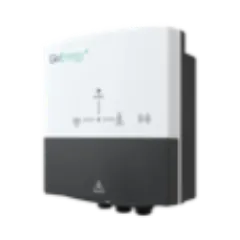
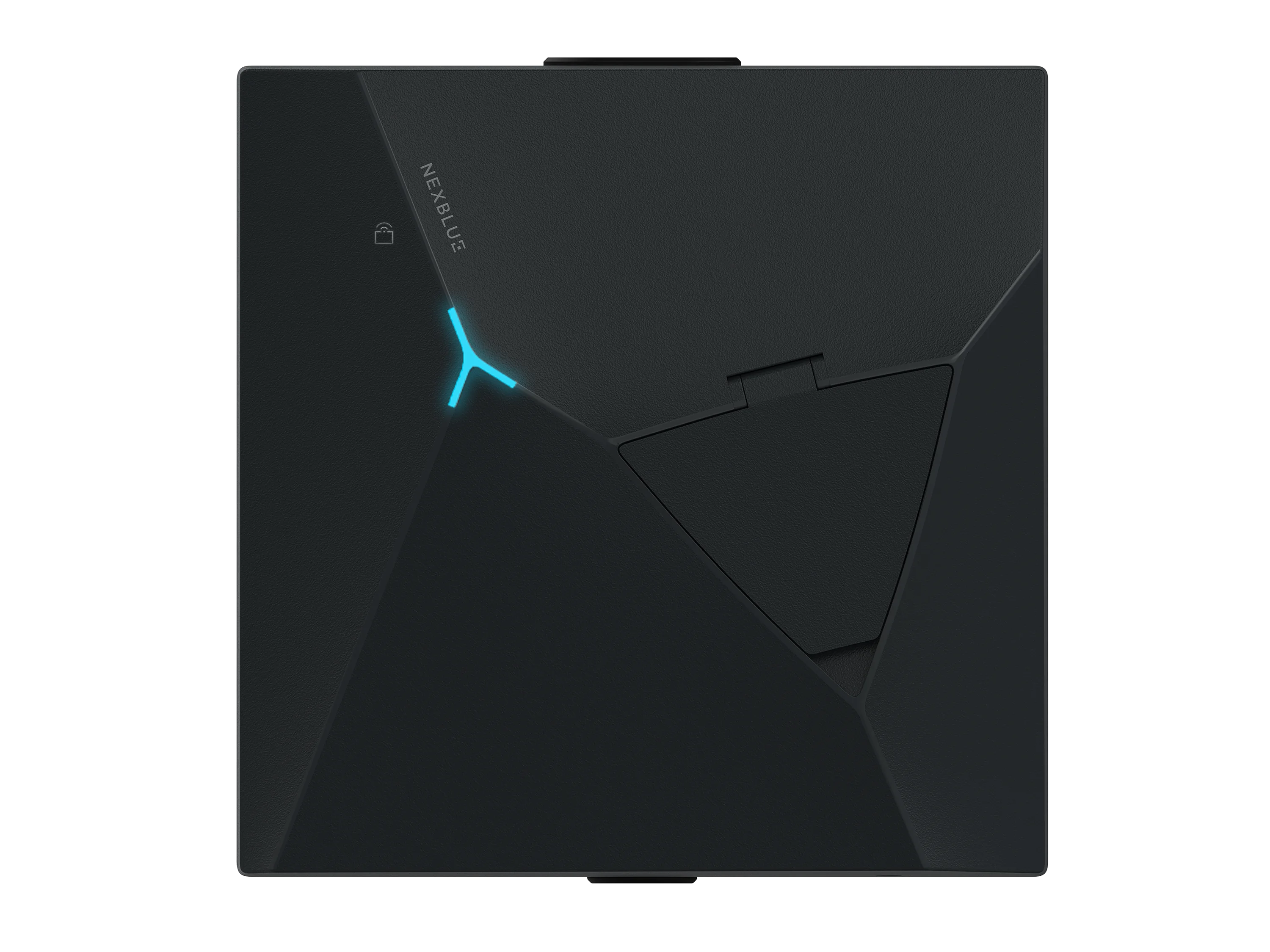
These two chargers sit at a similar price point but couldn't be more different in philosophy. The GivEnergy EV Charger is built for homeowners who already have — or are planning — a home battery storage system, letting you charge your Tesla from energy you banked earlier in the day. The NexBlue Point 2, meanwhile, is laser-focused on the future: V2G readiness, ISO 15118 Plug & Charge support, and smart tariff automation via its EcoPilot system — all wrapped in one of the lightest charger units on the market.
If you're choosing between these two, you're likely someone who thinks beyond simply plugging in overnight. You want your charger to be part of a wider home energy strategy, whether that's maximising stored solar, riding the cheapest half-hour slots on Octopus Agile, or preparing for the day your Tesla can feed energy back to the grid. The question is: do you optimise for what's possible *right now* with battery storage, or invest in hardware that's ready for what's coming *next*?
In a nutshell:
- GivEnergy EV Charger (£478): The best-value charger for homes with battery storage, uniquely able to charge your EV from stored energy — not just live solar.
- NexBlue Point 2 (£530): A feature-packed, V2G-ready smart charger with built-in 4G, dynamic load balancing, and smart tariff automation at a competitive price.
Spec Comparison
| Feature | GivEnergy EV Charger | NexBlue Point 2 |
|---|---|---|
| Price | £478 inc. VAT | £530–600 inc. VAT |
| Power | 7kW (single-phase) | 7.4kW (single-phase) |
| Cable | Tethered, 5m Type 2 | Untethered (Type 2 socket) |
| Smart tariffs | Limited integration | EcoPilot tariff integration |
| Solar | Solar divert + battery-to-EV | Solar surplus (requires Zen accessory) |
| Connectivity | Wi-Fi | Wi-Fi, Bluetooth, 4G eSIM (lifetime free) |
| Warranty | 3 years | 5 years |
| IP Rating | IP65 | IP54 + IK10 |
| Type | Tethered only | Untethered only |
| Weight | ~4.5 kg | 2.1 kg |
| V2G / ISO 15118 | No | Yes (ready) |
| OCPP | Not specified | OCPP 1.6-J and 2.0.1 |
Smart Tariff Integration
This is where the NexBlue Point 2 pulls decisively ahead. Its EcoPilot system integrates directly with smart energy tariffs, automatically scheduling your charging sessions around the cheapest rates. If you're on a variable tariff like Octopus Agile — where prices shift every 30 minutes — this kind of automation can save you serious money without any manual intervention. As evenergyhub.com notes, matching your charger to your energy ecosystem is the single biggest factor in long-term value.
The GivEnergy EV Charger, by contrast, has limited smart tariff integration. You can schedule charging windows through the GivEnergy monitoring portal, but it doesn't dynamically respond to real-time pricing the way the NexBlue does — or the way market leaders like the Ohme Home Pro do with Octopus Intelligent Go. If you're on a simple off-peak tariff like Octopus Go (7.5p/kWh between 00:30 and 04:30), the GivEnergy's basic scheduling is perfectly adequate. But if you want your charger to think for itself, the NexBlue is the smarter pick.
The NexBlue also benefits from a built-in 4G eSIM with a lifetime free subscription, meaning it stays connected and responsive even if your home Wi-Fi drops out — a genuine advantage flagged by viablepower.co.uk as a key reliability feature in smart chargers. The GivEnergy relies solely on Wi-Fi.
Solar and Battery Integration
Here the tables turn completely. The GivEnergy EV Charger's headline feature is battery-to-EV charging. If you have a home battery — whether GivEnergy's own or another brand — you can store cheap overnight electricity or surplus solar energy during the day, then feed it directly to your Tesla in the evening. This is genuinely transformative for the right household. Imagine charging your Model 3 essentially for free using solar energy your battery captured at lunchtime while you were at work.
The charger also offers a standard solar divert mode for direct panel-to-car charging when the sun is shining. For homes already invested in the GivEnergy ecosystem (or any compatible home battery), this level of integration is unmatched at this price.
The NexBlue Point 2 does support solar surplus charging, but it requires the separate NexBlue Zen accessory, adding cost and complexity. It's functional, but not as deeply integrated as the GivEnergy's approach — and nowhere near as sophisticated as a dedicated solar charger like the Myenergi Zappi. Where the NexBlue does offer an intriguing counter-argument is its V2G and ISO 15118 readiness. When bi-directional charging becomes widely available in the UK, the NexBlue won't need replacing — it's already hardware-ready. That's a compelling long-term play, though it's worth noting V2G is still in its infancy for consumer EVs.
App, Connectivity and Build
The NexBlue Point 2 wins on connectivity by a wide margin: Wi-Fi, Bluetooth, and that lifetime-free 4G eSIM give it triple redundancy. Its myNexBlue app handles scheduling, tariff automation, and energy monitoring. It also supports OCPP 1.6-J and 2.0.1, making it compatible with third-party energy management platforms — a feature that matters if you want flexibility down the road.
The GivEnergy charger connects via Wi-Fi only and integrates with the GivEnergy monitoring portal, which is excellent for whole-home energy management if you're already in that ecosystem. However, as a standalone EV charger app, it's acknowledged as basic compared to rivals like Ohme, Tesla, or Hypervolt.
Design-wise, the NexBlue is remarkably compact at just 235mm × 230mm and a featherweight 2.1 kg — one of the lightest chargers on the UK market. It also boasts IK10 impact resistance (the highest rating), though its IP54 weatherproofing is a step below the GivEnergy's IP65. In practice, both are fine for a typical UK wall-mounted installation, but if your charger is particularly exposed to driving rain, the GivEnergy has the edge.
The tethered vs untethered question is worth considering carefully. The GivEnergy's 5-metre tethered cable means you simply grab and plug in — no rummaging in the boot. The NexBlue's untethered socket looks cleaner on the wall but requires you to supply and store your own cable, which typically costs £100–200 for a decent Type 2 lead. As voltsmonster.com puts it, tethered suits convenience; untethered suits minimalists.
Price and Value
| Cost Element | GivEnergy EV Charger | NexBlue Point 2 |
|---|---|---|
| Unit price | £478 | £530–600 |
| Installation | £400–600 | £400–600 |
| Total installed | £878–1,078 | £930–1,200 |
| After OZEV grant | £378–578 | £430–700 |
The GivEnergy is the cheaper unit by £52–122 depending on which retailer you source the NexBlue from. Both fall within the standard installation cost range, and both are OZEV-eligible for qualifying renters and flat owners (up to £500 off installation).
On pure unit cost, the GivEnergy offers remarkable value — especially if you already own a home battery, where its unique battery-to-EV feature effectively pays for itself through energy savings. However, the NexBlue arguably offers more *charger* for the money: a 5-year warranty (vs 3), built-in 4G, dynamic load balancing with an included CT clamp, smart tariff automation, and V2G readiness. If you don't have a home battery, the NexBlue's feature-to-price ratio is hard to beat, as tinyeco.com highlights that smart functionality and solar integration are the key differentiators in this price bracket.
Who Should Buy Which?
Buy the GivEnergy EV Charger if:
- You have a home battery system (GivEnergy or otherwise) and want to charge your EV from stored energy
- You're already in the GivEnergy ecosystem and want unified whole-home energy monitoring
- You prefer a tethered charger with the cable always ready to go
- You want the lowest possible upfront cost and don't need advanced smart tariff features
- Solar self-consumption is your priority and you want direct solar divert without extra accessories
Buy the NexBlue Point 2 if:
- You want smart tariff automation to minimise charging costs on variable tariffs like Octopus Agile
- Future-proofing matters to you — V2G and ISO 15118 readiness without hardware replacement
- You value connectivity resilience with built-in 4G alongside Wi-Fi and Bluetooth
- You want a longer 5-year warranty and dynamic load balancing included in the box
- You prefer a clean, untethered wall-mount and don't mind supplying your own cable
Our recommendation: For the average UK Tesla owner without a home battery, the NexBlue Point 2 is the stronger all-round choice. Its smart tariff integration, V2G readiness, triple connectivity, and 5-year warranty make it one of the most feature-rich chargers under £600. It's an early-adopter pick from a newer brand, so you're trading proven longevity for cutting-edge specs — a trade-off most tech-savvy EV owners will be comfortable with. However, if you have a home battery system, the GivEnergy EV Charger is in a class of its own. Battery-to-EV charging at £478 is a genuinely unique proposition that no other charger at this price can match. For that specific use case, it's the obvious winner.
For the full specs-level breakdown, see our GivEnergy EV Charger vs NexBlue Point 2 comparison page.
Read our full GivEnergy EV Charger review or NexBlue Point 2 review.
If you have solar panels, see our best EV charger for solar panels guide.
We’ll handle the installation
We’ll match you with vetted UK electricians — up to 3 free quotes, no obligation.