Zaptec Go 2 vs NexBlue Point 2
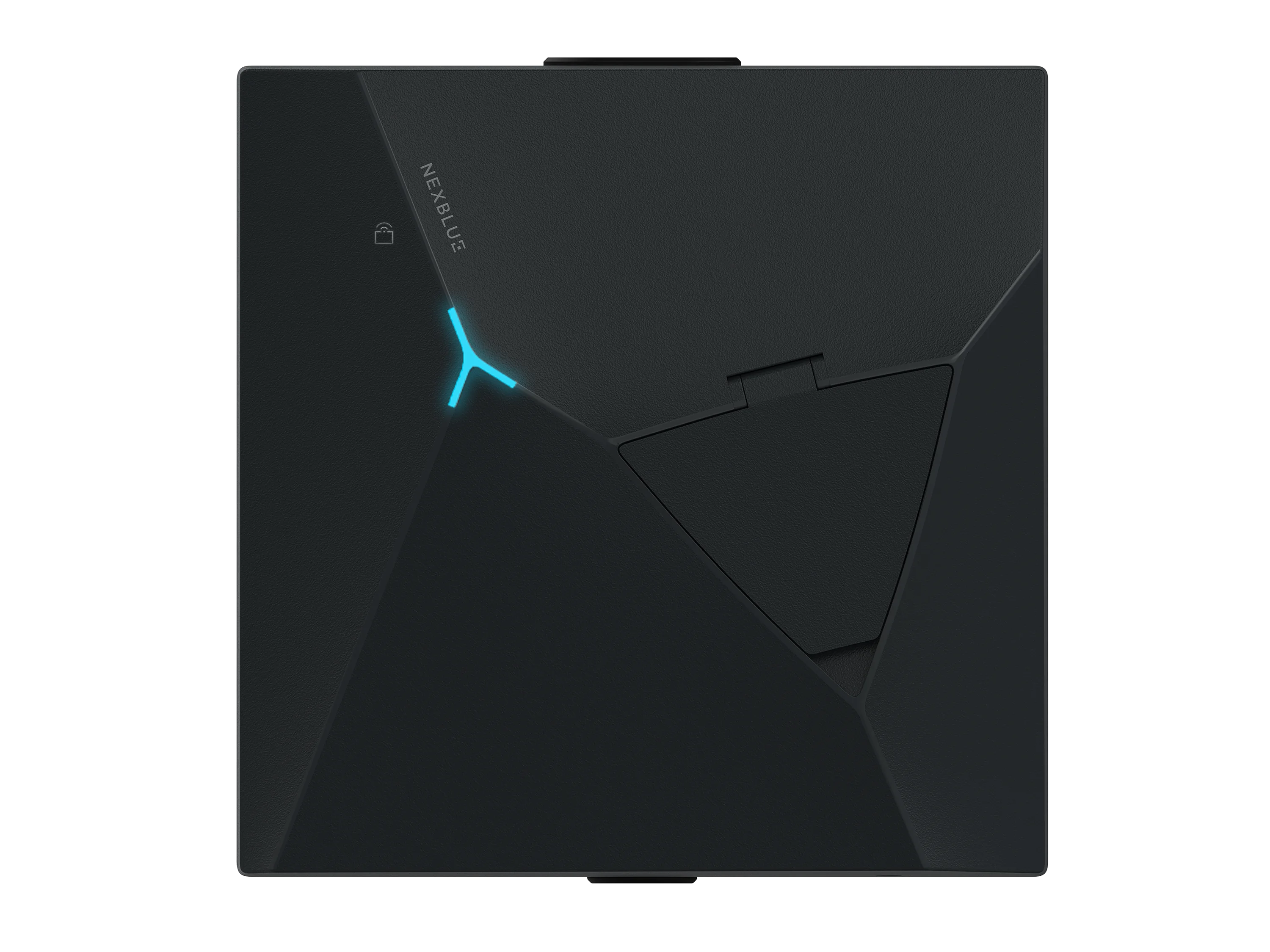
The Zaptec Go 2 wins on higher rated, three-phase support, while the NexBlue Point 2 excels at more affordable, solar compatibility, smart tariff integration.
Quick Stats
Full Specs Comparison
| Specification | Zaptec Go 2 | NexBlue Point 2 |
|---|---|---|
| Max Power Output | 7.4kW (single-phase) / 22kW (three-phase) | 7.4kW (single-phase) |
| Cable Length | Untethered (use own cable) | Untethered (use own cable) |
| Connector | Type 2 socket | Type 2 socket |
| Connectivity | Wi-Fi, 4G (subscription-free), Bluetooth | Wi-Fi, Bluetooth, 4G eSIM (lifetime free) |
| Dimensions | 240mm × 180mm × 106mm | 235mm × 230mm × 107mm |
| Weight | ~3.2 kg | 2.1 kg |
| IP Rating | IP54 (weatherproof) | IP54 + IK10 (weatherproof + highest impact resistance) |
| Certification | OLEV/OZEV approved | CE (TUV Rheinland), UK Smart Charge Point Regulations compliant |
Feature Breakdown
The NexBlue Point 2 is £177 cheaper at £530 compared to the Zaptec Go 2 at £707. Note: the NexBlue Point 2 price is prices vary £530–600 inc VAT by retailer.
When you factor in professional installation (typically £400–£600), the total installed cost for the Zaptec Go 2 is approximately £1107–£1307, while the NexBlue Point 2 comes in at around £930–£1130. Fully installed, the NexBlue Point 2 remains the more affordable option.
The Zaptec Go 2 (7.4kW / 22kW) supports three-phase charging at up to 22kW, while the NexBlue Point 2 is single-phase only at 7.4kW. On the standard UK single-phase supply (95% of homes), both charge at roughly the same speed. Three-phase is only relevant if your property has a three-phase electrical supply.
On a standard UK single-phase supply, both will charge a Tesla Model 3 Long Range (75kWh battery) from 20% to 80% in approximately 5–6 hours overnight. Even a Tesla Model Y with its larger battery completes a typical daily top-up well within an overnight window. For the vast majority of UK Tesla owners, single-phase 7kW charging is more than sufficient — you'll wake up to a full battery every morning.
The Zaptec Go 2 offers: Zaptec app, Scheduled charging, V2G-ready, MID-approved energy meter, 4G connectivity (subscription-free), OCPP 1.6J compliant. The NexBlue Point 2 offers: myNexBlue app, EcoPilot tariff integration, Solar surplus charging (requires NexBlue Zen accessory), Dynamic load balancing (CT clamp included), ISO 15118 / V2G / Plug & Charge ready, OCPP 1.6-J and 2.0.1, RFID + NFC activation, OTA updates, Built-in 4G eSIM (lifetime free).
Breaking these down by category: for connectivity, the Zaptec Go 2 uses 4G connectivity (subscription-free), while the NexBlue Point 2 uses Built-in 4G eSIM (lifetime free). For energy management, the Zaptec Go 2 provides MID-approved energy meter, compared to the NexBlue Point 2's Dynamic load balancing (CT clamp included). Solar and scheduling features are covered in the dedicated sections below.
The NexBlue Point 2 supports solar integration, allowing you to divert surplus solar energy to charge your Tesla. The Zaptec Go 2 does not have built-in solar diverting. If you have solar panels (or plan to install them), this is a significant advantage for the NexBlue Point 2.
The NexBlue Point 2 supports solar diversion through its energy management system. This means it can dynamically adjust the charge rate to match your available solar surplus, minimising grid import. Without built-in solar support, the other charger would need a separate solar diverter or manual scheduling to take advantage of solar generation.
The NexBlue Point 2 integrates with smart energy tariffs, automatically charging at the cheapest off-peak rates. The Zaptec Go 2 doesn't have built-in smart tariff integration — you'd need to set manual charging schedules or rely on your car's built-in timer. If you're on (or considering) a smart tariff, this gives the NexBlue Point 2 a meaningful advantage in running costs.
The NexBlue Point 2 supports smart tariff scheduling with popular EV tariffs including Octopus Go (~8.5p/kWh) and similar time-of-use plans. The most popular UK EV tariffs include Octopus Intelligent Go (~7p/kWh), Octopus Go (~8.5p/kWh), OVO Charge Anytime (~14p/kWh), and British Gas EV Power+ (~7.9p/kWh). Check compatibility with your specific energy provider before making a decision.
The Zaptec Go 2 comes with a 5 years warranty, while the NexBlue Point 2 offers 5 years. Both offer the same warranty length, so neither has an advantage here. Both are OZEV-approved and suitable for outdoor installation — a longer warranty provides more peace of mind for a product that lives outside year-round and is exposed to British weather.
For weatherproofing, the Zaptec Go 2 is rated IP54 (weatherproof) (splash-proof — protected against splashing water from any direction), while the NexBlue Point 2 is rated IP54 + IK10 (weatherproof + highest impact resistance) (splash-proof — protected against splashing water from any direction). A higher IP rating means better protection against rain, hose water, and dust. In practical terms, any rating of IP54 or above is suitable for a UK outdoor installation, but a higher rating provides extra confidence in extreme weather — particularly relevant if your charger is exposed rather than sheltered under a car port.
Which Should You Buy?
Buy the Zaptec Go 2 if overall quality and user satisfaction matter most, or you have or plan to install a three-phase electrical supply, or v2g-ready.
Buy the NexBlue Point 2 if you want the best value for money, or you have solar panels or plan to install them, or you're on a smart energy tariff like Octopus Intelligent Go, or v2g-ready with ocpp 2.0.1.
We’ll handle the installation
We’ll match you with vetted UK electricians — up to 3 free quotes, no obligation.