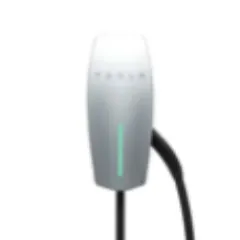
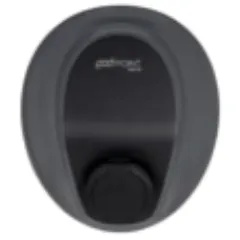
Tesla Wall Connector vs Pod Point Solo 3S: Two Different Buying Experiences
This comparison is less about specs — both deliver 7.4kW on a standard UK single-phase supply — and more about how you want to buy. The Tesla Wall Connector is a unit-only purchase at £425; you source and pay your own electrician. The Pod Point Solo 3S bundles charger and installation into a single £999 package. Same end result on your wall, but the journey there is completely different.
In a nutshell:
- Tesla Wall Connector: Cheaper total cost for most buyers, seamless Tesla app control, three-phase capable, 4-year warranty
- Pod Point Solo 3S: One price covers everything, 5-year warranty, OZEV grant eligible, zero admin
Is the Pod Point's All-In Price Actually Good Value?
Let's do the maths. The Tesla Wall Connector at £425 plus a typical £400–600 installation lands you at £825–1,025 total. The Pod Point Solo 3S costs £999 installed. On paper, they're almost identical.
But there's a twist. The Pod Point is OZEV-approved, meaning eligible renters and flat owners can knock up to £350 off that £999, bringing it down to £649. The Tesla Wall Connector isn't OZEV-approved, so no grant. If you qualify, the Pod Point becomes significantly cheaper. If you don't — and most homeowners won't — the Tesla is likely the better deal, especially if your electrician quotes towards the lower end of that installation range.
The catch with Pod Point's bundled model is that you can't choose your installer. Pod Point assigns a third-party contractor from their network. You might get someone brilliant; you might not. With the Tesla route, you pick your own sparky, read their reviews, and negotiate the price. That control matters to a lot of people.
Where the Tesla Wall Connector Pulls Ahead on Features
The Tesla app experience is the real differentiator here. Charging schedules, live status, energy history, notifications — it's all integrated into the same app you already use to unlock your car, precondition the cabin, and check your battery. There's no second app to download, no separate account to create.
Pod Point's app does the basics — scheduling and monitoring — but it feels utilitarian by comparison. It lacks the polish and depth of Tesla's ecosystem. Neither charger offers direct smart tariff integration, so if that's a priority, look at the Ohme Home Pro instead. But for straightforward scheduled charging, Tesla's implementation is slicker.
The Wall Connector also supports power sharing across up to six units on a single circuit. If your household runs two EVs now or might in the future, that's a meaningful advantage the Pod Point can't match. And while it won't matter for most UK homes today, the Tesla's three-phase capability (up to 22kW) future-proofs it in a way the single-phase-only Pod Point doesn't.
Cable Length and Practicality: A Small Detail That Matters
The Tesla Wall Connector comes with a 7.3-metre tethered cable. The Pod Point Solo 3S tethered version has just 5 metres. If your charger sits at the back of the garage and your charge port is on the far side of the car, those extra 2.3 metres could be the difference between a comfortable reach and an awkward stretch. The Pod Point does offer an untethered socket version, which lets you use your own cable at whatever length you like — but then you're plugging and unplugging a separate cable each time, which defeats the convenience of a home charger for most people.
The Pod Point does edge ahead on weather resistance with an IP54 rating versus the Tesla's IP44. Both are fine outdoors, but the Pod Point handles dust and splashing water slightly better if your charger is fully exposed to the elements.
Which Should You Buy?
Buy the Tesla Wall Connector if:
- You want the best app experience for your Tesla, with everything in one place
- You prefer to choose your own installer and potentially save on installation costs
- You have or plan to have multiple EVs (power sharing for up to six units)
- You want a longer tethered cable (7.3m vs 5m)
Buy the Pod Point Solo 3S if:
- You qualify for the OZEV grant and want to bring the price down to £649
- You'd rather pay one price and have everything handled for you
- A 5-year warranty matters more to you than a 4-year one
- You want the option of an untethered socket version
For most Tesla owners who own their home, the Wall Connector is the stronger pick. It's cheaper at full price, the app integration is far superior, and you get to control the installation process. The Pod Point's real appeal is its simplicity — and for OZEV-eligible buyers, its price after the grant. If that describes you, it's a perfectly solid charger. But if you're choosing purely on merit, the Tesla wins. Check our best Tesla home charger guide for how both stack up against the wider field.