EO Mini Pro 3 vs Indra Smart LUX
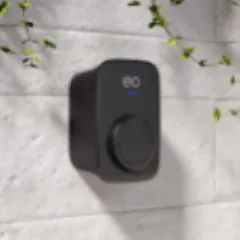
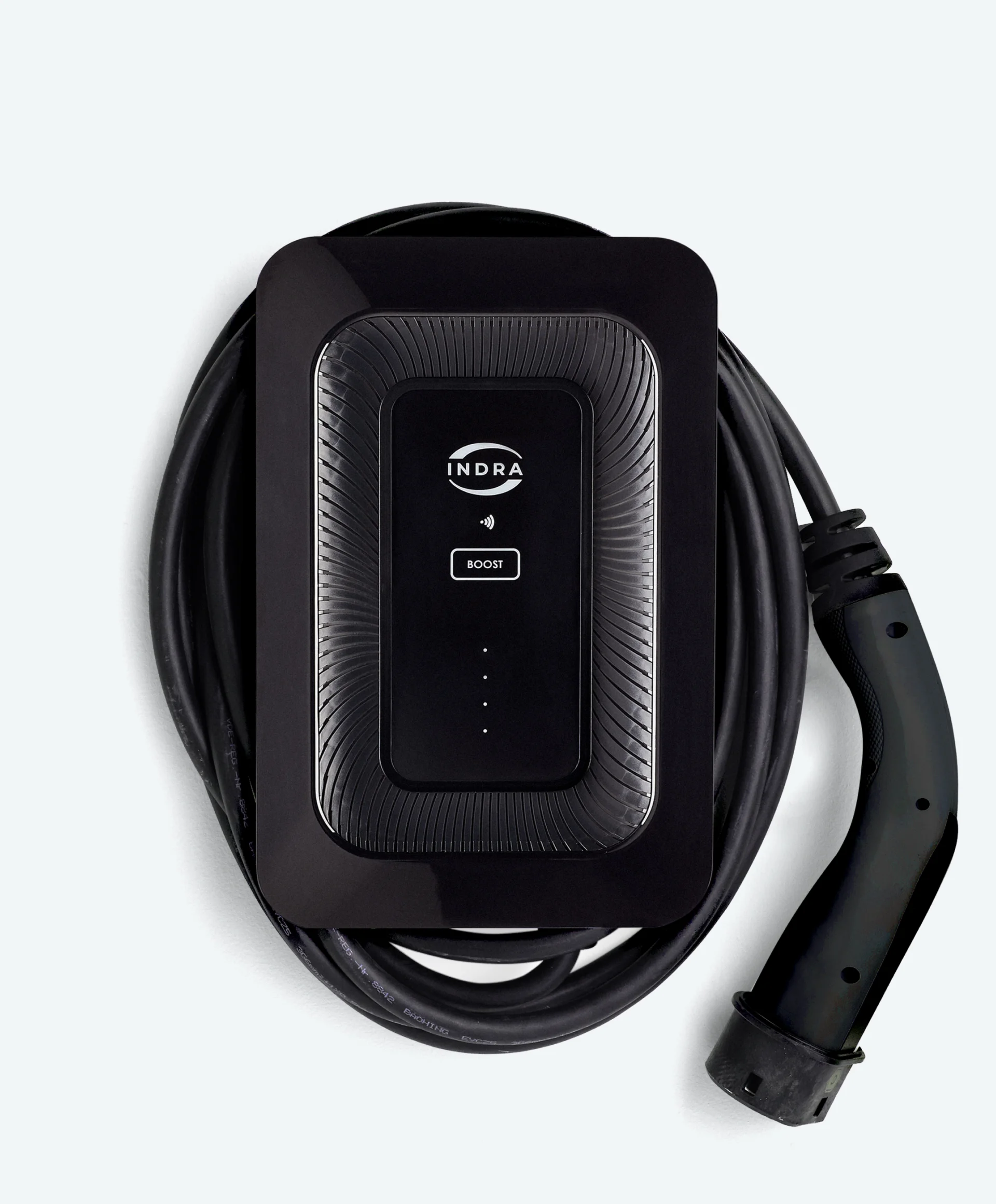
The EO Mini Pro 3 wins on more affordable, higher rated, while the Indra Smart LUX excels at a strong feature set.
Quick Stats
Full Specs Comparison
| Specification | EO Mini Pro 3 | Indra Smart LUX |
|---|---|---|
| Max Power Output | 7.2kW (single-phase only) | 7.4kW (single-phase only) |
| Cable Length | 5 metres | 6 metres (10m version available) |
| Connector | Type 2 (tethered or untethered) | Type 2 (tethered) |
| Connectivity | Wi-Fi, Bluetooth, Ethernet (4G optional) | Wi-Fi (Ethernet and 4G optional) |
| Dimensions | 215mm × 140mm × 100mm | 201mm × 306mm × 78mm |
| Weight | ~2.5 kg | 3.6 kg (6m cable) |
| IP Rating | IP54 (weatherproof) | IP67 + IK10 (submersible, impact-resistant) |
| Certification | OLEV/OZEV approved | OLEV/OZEV approved |
Feature Breakdown
The EO Mini Pro 3 is £65 cheaper at £550 compared to the Indra Smart LUX at £615. The Indra Smart LUX price is supply-only 10m; 6m from £670; from £1,075 installed.
When you factor in professional installation (typically £400–£600), the total installed cost for the EO Mini Pro 3 is approximately £950–£1150, while the Indra Smart LUX comes in at around £1015–£1215. Fully installed, the EO Mini Pro 3 remains the more affordable option.
Both the EO Mini Pro 3 (7.2kW) and Indra Smart LUX (7.4kW) are single-phase chargers, delivering around 7–7.4kW on a standard UK home supply.
On a standard UK single-phase supply, both will charge a Tesla Model 3 Long Range (75kWh battery) from 20% to 80% in approximately 5–6 hours overnight. Even a Tesla Model Y with its larger battery completes a typical daily top-up well within an overnight window. For the vast majority of UK Tesla owners, single-phase 7kW charging is more than sufficient — you'll wake up to a full battery every morning.
The EO Mini Pro 3 offers: EO app, Smart tariff presets, Solar diversion (CT clamp), Scheduled charging, Wi-Fi, Bluetooth & Ethernet, Optional 4G. The Indra Smart LUX offers: Indra app, Smart tariff integration (1000+ tariffs), Solar PV diversion, Dynamic load balancing, OCPP 1.6, RFID + QR code authorisation, Remote locking, Real-time energy monitoring, OTA updates, Turbine LED status light.
Breaking these down by category: for connectivity, the EO Mini Pro 3 uses Wi-Fi, Bluetooth & Ethernet, Optional 4G, while the Indra Smart LUX uses its companion app. For energy management, the EO Mini Pro 3 provides basic monitoring, compared to the Indra Smart LUX's Dynamic load balancing, Real-time energy monitoring. Solar and scheduling features are covered in the dedicated sections below.
Both the EO Mini Pro 3 and Indra Smart LUX support solar integration, allowing you to charge your Tesla using surplus solar energy rather than drawing from the grid. The implementation and sophistication of solar diversion differs between the two, which can significantly affect how much free charging you actually get.
The EO Mini Pro 3 supports solar diversion through its energy management system. The Indra Smart LUX supports solar diversion through its energy management system. The key difference is how precisely each charger tracks surplus generation — CT clamp-based systems typically offer more responsive diversion than those relying on smart meter data, which can have a slight delay.
Both the EO Mini Pro 3 and Indra Smart LUX support smart energy tariffs, enabling automated off-peak charging at significantly reduced rates. This is one of the most impactful ways to cut your EV running costs, potentially saving hundreds of pounds per year compared to charging on a standard tariff.
The EO Mini Pro 3 supports smart tariff scheduling with popular EV tariffs including Octopus Go (~8.5p/kWh) and similar time-of-use plans. The Indra Smart LUX supports smart tariff scheduling with popular EV tariffs including Octopus Go (~8.5p/kWh) and similar time-of-use plans. The most popular EV tariffs in the UK include Octopus Intelligent Go (~7p/kWh), Octopus Go (~8.5p/kWh), OVO Charge Anytime (~14p/kWh), and British Gas EV Power+ (~7.9p/kWh). Not all chargers work with all tariffs, so check compatibility with your specific provider before buying.
The EO Mini Pro 3 comes with a 3 years warranty, while the Indra Smart LUX offers 3 years. Both offer the same warranty length, so neither has an advantage here. Both are OZEV-approved and suitable for outdoor installation — a longer warranty provides more peace of mind for a product that lives outside year-round and is exposed to British weather.
For weatherproofing, the EO Mini Pro 3 is rated IP54 (weatherproof) (splash-proof — protected against splashing water from any direction), while the Indra Smart LUX is rated IP67 + IK10 (submersible, impact-resistant) (rated for outdoor use). A higher IP rating means better protection against rain, hose water, and dust. In practical terms, any rating of IP54 or above is suitable for a UK outdoor installation, but a higher rating provides extra confidence in extreme weather — particularly relevant if your charger is exposed rather than sheltered under a car port.
Which Should You Buy?
Buy the EO Mini Pro 3 if you want the best value for money, or overall quality and user satisfaction matter most, or smallest charger.
Buy the Indra Smart LUX if uk's slimmest smart charger.
We’ll handle the installation
We’ll match you with vetted UK electricians — up to 3 free quotes, no obligation.