Easee One vs Pod Point Solo 3S: Is Paying for Convenience Actually Worth It?
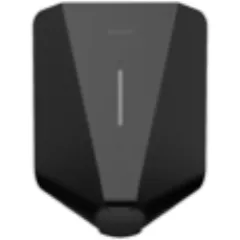
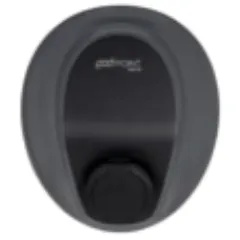
This comparison boils down to one question: do you want to manage your own installation and save money, or pay a premium for someone else to handle everything? The Easee One at £405 (unit only) and the Pod Point Solo 3S at £999 (installed) both deliver 7.4kW single-phase charging. Same power output, same IP54 weatherproofing, same Type 2 compatibility with every Tesla and EV sold in the UK. The differences are in how you buy them, what you get for your money, and how much control you're willing to hand over.
In a nutshell:
- Easee One: Best overall value — cheaper even with installation factored in, superior connectivity, and you pick your own electrician
- Pod Point Solo 3S: Best for buyers who want one price, one invoice, and zero admin
Does the Pod Point's All-In Price Actually Save You Money?
No. And this is where the Pod Point's pitch starts to unravel.
The Easee One costs £405. A standard installation runs £400–600 through an independent OZEV-approved installer. That puts your total between £805 and £1,005. The Pod Point Solo 3S is £999 with installation included. So at best, you're paying roughly the same. At worst — and more commonly — the Easee route is cheaper by up to £194. And crucially, you get to choose your electrician. Read reviews, get recommendations, pick someone local you trust. With Pod Point, they assign a third-party contractor from their network, and you have no say in who turns up. That's a meaningful trade-off for a piece of permanent electrical infrastructure on your home.
If you're eligible for the OZEV grant (up to £350 off for qualifying renters and flat owners), both chargers are approved, so the relative maths stays the same.
The Easee One's Connectivity Advantage Is Hard to Ignore
The Easee One ships with a built-in eSIM and a lifetime 4G subscription. No SIM cards to manage, no ongoing fees, no reliance on your home Wi-Fi reaching the driveway. Wi-Fi is there as a backup. The Pod Point Solo 3S? Wi-Fi only. If your router is at the front of the house and your charger is at the back, or if your broadband drops out, you lose smart functionality until the connection returns.
This matters more than people think. Scheduled charging, app control, and energy monitoring all depend on a stable connection. The Easee's always-on 4G means it works reliably regardless of your home network setup. For a charger that weighs just 1.5 kg and costs less, that's a remarkable edge. Our best smart EV charger guide covers connectivity in more detail if this is a priority for you.
Pod Point's 5-Year Warranty: The One Clear Win
Credit where it's due — Pod Point offers a 5-year warranty versus Easee's 3 years. That's meaningful. EV chargers live outdoors, exposed to British weather year-round, and a longer warranty provides genuine reassurance. If longevity and after-sales peace of mind rank highly for you, this is the Pod Point's strongest card.
That said, the Easee One's integrated RCD Type-B and open PEN protection mean fewer additional components in the installation, which reduces potential failure points. Fewer parts, fewer things to go wrong. But a warranty is a warranty, and five years beats three.
Smart Features: Neither Is Best-in-Class, but Easee Does More
Neither charger offers direct smart tariff integration — if that's your priority, look at the Ohme Home Pro or check our EV tariff comparison. But within this head-to-head, the Easee One pulls ahead on smart functionality. Dynamic load balancing comes built in, expandable across up to three chargers on a single fuse — useful if you're a two-EV household or planning for the future. The Pod Point offers adaptive load management, which protects your home's supply but doesn't scale across multiple units in the same way.
The Pod Point does have solar compatibility, which is worth mentioning if you have panels. But the Easee app is generally more capable than Pod Point's somewhat basic offering. If solar integration is a top priority, our best EV charger for solar guide covers dedicated options.
Tethered vs Untethered: A Minor but Real Consideration
The Easee One is untethered only — a Type 2 socket on the wall. You plug in using the cable that came with your Tesla (or any Type 2 cable you own). The Pod Point Solo 3S is available in both tethered and untethered versions, giving you the option of a permanently attached 5-metre cable. If you'd rather not handle a cable every time you charge, the Pod Point's tethered option is more convenient. But for keeping a clean wall-mounted look, the Easee's compact, 1.5 kg unit is hard to beat.
Which Should You Buy?
Buy the Easee One if:
- You want the lowest total cost and are happy sourcing your own installer
- Reliable 4G connectivity matters — especially if your Wi-Fi doesn't reach your charging spot
- You value a compact, lightweight unit (1.5 kg vs 3.5–6 kg)
- You might add a second charger in future and want built-in load balancing
Buy the Pod Point Solo 3S if:
- You want one price, one phone call, and zero installation admin
- A 5-year warranty is more important to you than saving £100–200
- You prefer a tethered cable for daily convenience
- You'd rather deal with a large, established UK brand for after-sales support
For most Tesla owners reading this, the Easee One is the smarter buy. It's cheaper, better connected, and gives you control over who installs it. The Pod Point Solo 3S is a perfectly decent charger wrapped in a convenience-first package — but you're paying a premium for that convenience, and giving up flexibility in the process. Check our cheapest EV charger guide if total installed cost is your deciding factor.