myenergi Zappi GLO vs EcoFlow PowerPulse 2: Solar Ecosystem Showdown
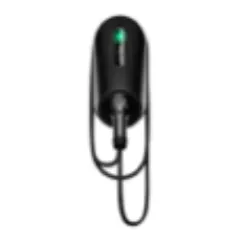
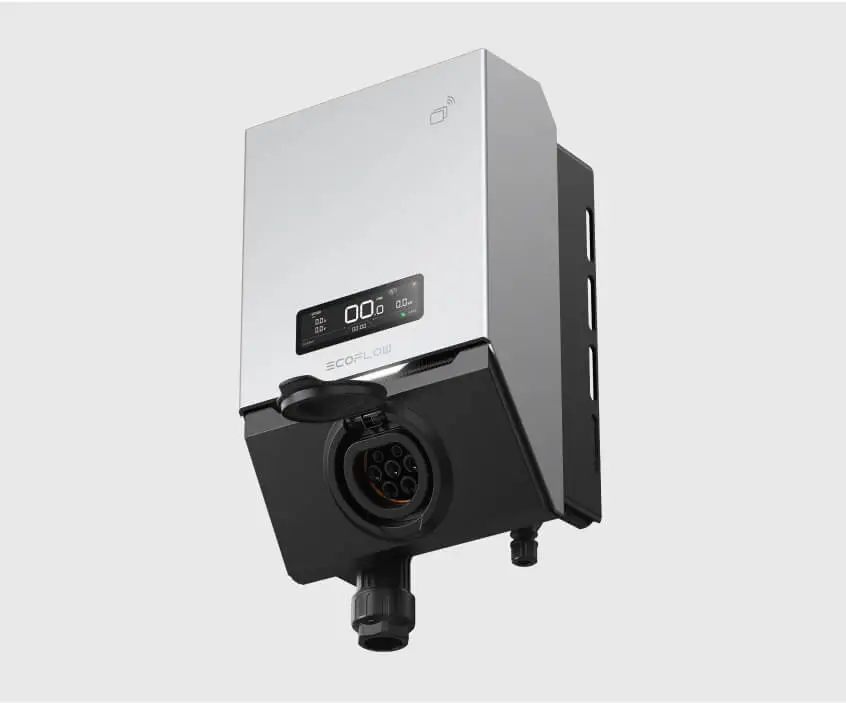
The Solar Veteran vs the Ecosystem Newcomer
If you have solar panels on your roof and an EV on your driveway, you have already made two excellent financial decisions. The third — picking the right charger to tie them together — is where it gets interesting. The myenergi Zappi GLO and the EcoFlow PowerPulse 2 both promise to charge your car from surplus sunshine, both support three-phase power for future-proofing, and both sit at the heart of wider home energy ecosystems. But one comes from the brand that essentially invented solar EV charging in the UK, while the other arrives from a portable power giant making its first serious play for your garage wall.
These two chargers will appeal to a very similar buyer: someone who thinks about energy holistically, who probably already owns a home battery or is planning one, and who wants their EV charger to be a team player rather than a standalone box. The question is whether you trust myenergi's proven track record or EcoFlow's newer — but arguably more ambitious — integrated platform.
In a nutshell:
- myenergi Zappi GLO (£599): The UK's gold standard for solar EV charging, with three dedicated diversion modes and seamless integration with the myenergi eddi and libbi ecosystem.
- EcoFlow PowerPulse 2 (£545): A feature-rich newcomer with deep EcoFlow PowerOcean battery integration, a built-in LCD display, and OCPP compliance — at a lower price point.
Spec Comparison
| Feature | myenergi Zappi GLO | EcoFlow PowerPulse 2 |
|---|---|---|
| Price | £599 | £545 (untethered; tethered also available) |
| Max Power | 7kW (single-phase) / 22kW (three-phase) | 7kW (single-phase) / 22kW (three-phase) |
| Cable | 6.5m tethered (untethered also available) | Untethered (5m tethered version available) |
| Smart Tariff Support | Yes (Intelligent Octopus Go compatible) | Yes (Smart Mode with dynamic tariff optimisation) |
| Solar Features | Eco, Eco+, and Fast modes | Solar Mode (prioritises surplus solar) |
| Connectivity | Wi-Fi, Bluetooth | Wi-Fi, RFID |
| Warranty | 3 years | 3 years |
| IP Rating | IP65 | IP55 (IP54 without cable) |
| Type | Tethered or untethered (Type 2) | Untethered or tethered (Type 2) |
| OZEV Approved | Yes | Not yet confirmed |
Solar Diversion: The Headline Battle
This is where the Zappi GLO has built its reputation, and frankly, it is still the charger to beat. The three-mode system — Fast (full power from the grid), Eco (blends grid and solar), and Eco+ (waits for pure surplus solar before charging) — gives you granular control over exactly how green your miles are. Eco+ is the standout: on a sunny day, it will charge your Tesla entirely from your roof, pausing when clouds roll in and resuming when the sun returns. As mackie-electrical.co.uk notes, the minimum draw floor is around 1.4kW, so smaller arrays may still dip into the grid occasionally, but for most UK solar setups (3.5kW+), Eco+ delivers genuinely free miles.
The EcoFlow PowerPulse 2 offers a Solar Mode that prioritises surplus solar generation, and if you are already running an EcoFlow PowerOcean home battery, the integration is impressively tight — solar, battery, home loads, and EV charging all managed through a single app. However, EcoFlow does not offer the same three-tier diversion granularity as the Zappi. You get solar prioritisation, but you do not get the same level of stop-start surplus-only charging that Eco+ provides.
If solar diversion is your primary reason for buying a smart charger, the Zappi GLO remains the stronger choice. If you already own EcoFlow battery storage and want everything under one roof, the PowerPulse 2 makes a compelling case for ecosystem convenience over solar charging depth.
Smart Tariff Integration
Both chargers support smart tariff optimisation, which is critical if you want to charge cheaply from the grid when the sun is not shining. The Zappi GLO is compatible with Intelligent Octopus Go, which extends your off-peak window and can deliver rates around 7p/kWh — charging a typical 60kWh Tesla battery from empty for roughly £4.20. The myenergi app handles scheduling, though as ukevchargers.co.uk points out, the app still is not quite as polished as some competitors.
The EcoFlow PowerPulse 2 counters with its Smart Mode, which offers dynamic tariff optimisation — potentially working with variable-rate tariffs like Octopus Agile, where prices shift every 30 minutes. It is also OCPP 1.6-J compliant, which means it speaks the universal language of charge point management and could, in theory, work with third-party energy management platforms down the line. The Zappi GLO does not offer OCPP compliance, which locks you more firmly into the myenergi ecosystem.
For straightforward off-peak charging on a fixed smart tariff, both will do the job. If you are on Octopus Agile or want open-protocol flexibility, the PowerPulse 2 has an edge.
App, Connectivity and Day-to-Day Use
The myenergi app controls the Zappi GLO via Wi-Fi and Bluetooth. It handles scheduling, mode switching, and energy monitoring across the entire myenergi ecosystem — so if you also have an eddi hot water diverter or a libbi home battery, everything lives in one place. The app has improved significantly over the years, but it still draws occasional grumbles for its interface design. One notable change with the GLO: myenergi removed the on-unit display that the older Zappi 2.1 had, so you are now entirely app-dependent for detailed status information.
The EcoFlow PowerPulse 2 retains a built-in LCD display that shows charging status at a glance — handy if you just want to check progress without pulling out your phone. The EcoFlow app manages the charger alongside any other EcoFlow products you own. RFID authentication is included on both chargers, with the Zappi supporting an impressive 126 users — genuinely useful for shared driveways or small business settings.
Neither charger offers built-in 4G connectivity, so both rely on your home Wi-Fi reaching the installation point. If your charger is at the far end of a long driveway, factor in the cost of a Wi-Fi extender.
Build Quality and Installation
The Zappi GLO is the heavier unit at approximately 5.4kg versus the PowerPulse 2's 3.5kg, but the more important difference is weatherproofing. The Zappi carries an IP65 rating — fully protected against water jets from any direction — while the PowerPulse 2 is rated IP55 (IP54 without a cable connected). Both are perfectly adequate for UK weather, but if your charger will be fully exposed to driving rain with no shelter, the Zappi's higher rating offers extra peace of mind. The Zappi GLO also boasts 35% lower embodied carbon than the previous Zappi 2.1, which matters if sustainability extends beyond your electricity bill.
Installation costs for both chargers fall in the standard £400–600 range for a straightforward fit. One critical note: the EcoFlow PowerPulse 2's OZEV grant approval status is not yet confirmed. If you are a renter or flat owner eligible for the £500 OZEV grant, verify this before purchasing — the Zappi GLO is fully approved.
Price and Value
| myenergi Zappi GLO | EcoFlow PowerPulse 2 | |
|---|---|---|
| Unit Price | £599 | £545 |
| Typical Installation | £400–600 | £400–600 |
| Total Installed Cost | £999–1,199 | £945–1,145 |
| After OZEV Grant (if eligible) | £349–549 | TBC (OZEV status unconfirmed) |
The £54 price difference is not dramatic, but it does favour the PowerPulse 2 — especially if you are already invested in the EcoFlow ecosystem and can manage solar, battery, and EV charging from a single platform. However, the Zappi GLO's confirmed OZEV approval could swing the value equation back if you qualify for the grant. Both chargers offer a 3-year warranty, which is standard but not class-leading — brands like Wallbox and Zaptec offer five years, as noted in our Zaptec Go 2 comparison.
Who Should Buy Which?
Buy the myenergi Zappi GLO if:
- You have solar panels and want the most sophisticated solar diversion available in a UK home charger
- You already own (or plan to buy) myenergi products like the eddi or libbi battery
- You want confirmed OZEV grant eligibility
- You need IP65 weatherproofing for an exposed installation
- You share a driveway and need RFID access for up to 126 users
Buy the EcoFlow PowerPulse 2 if:
- You already own EcoFlow PowerOcean battery storage and want single-app ecosystem control
- You value OCPP 1.6-J compliance for future flexibility with third-party platforms
- You prefer a built-in LCD display over app-only status checks
- You want to save £54 on the unit price and do not need OZEV grant eligibility
- You are on a variable smart tariff like Octopus Agile and want dynamic optimisation
Our recommendation: For the majority of UK solar households, the myenergi Zappi GLO remains the safer, smarter buy. Its three-mode solar diversion is unmatched, its OZEV approval is confirmed, its IP65 rating handles anything British weather can throw at it, and the myenergi ecosystem is battle-tested across hundreds of thousands of UK installations. The EcoFlow PowerPulse 2 is a genuinely impressive newcomer — and if you are already deep in the EcoFlow ecosystem, it is the obvious choice. But for everyone else, myenergi's track record and solar charging depth earn it the nod. Give EcoFlow another year or two to build its UK install base and reliability data, and this could be a very different conversation.
Read our full myenergi Zappi GLO review or EcoFlow PowerPulse 2 review.
We’ll handle the installation
We’ll match you with vetted UK electricians — up to 3 free quotes, no obligation.