Sync Energy Wall Charger 2 vs Cord Zero: Budget Value or Bulletproof Connectivity?
Budget Flexibility vs Bulletproof Connectivity: Two Smart Chargers, Two Very Different Propositions
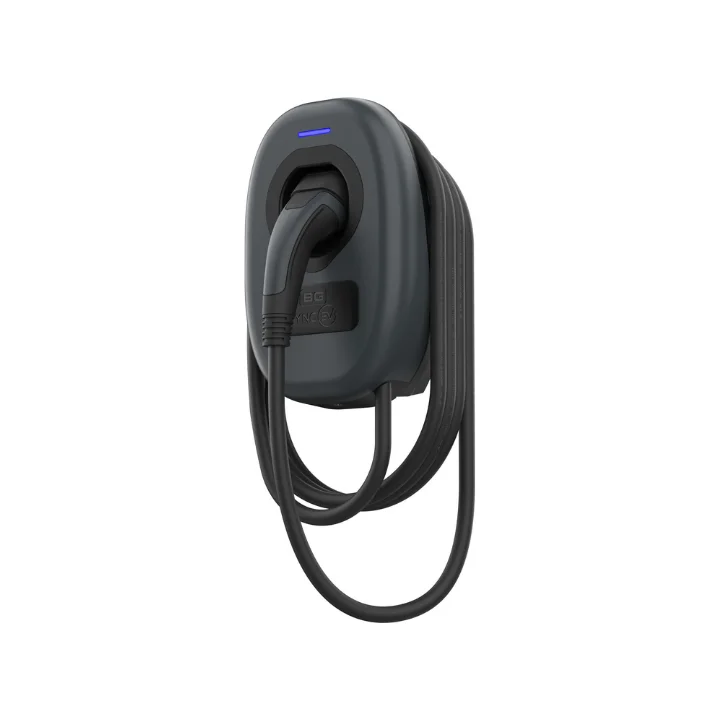
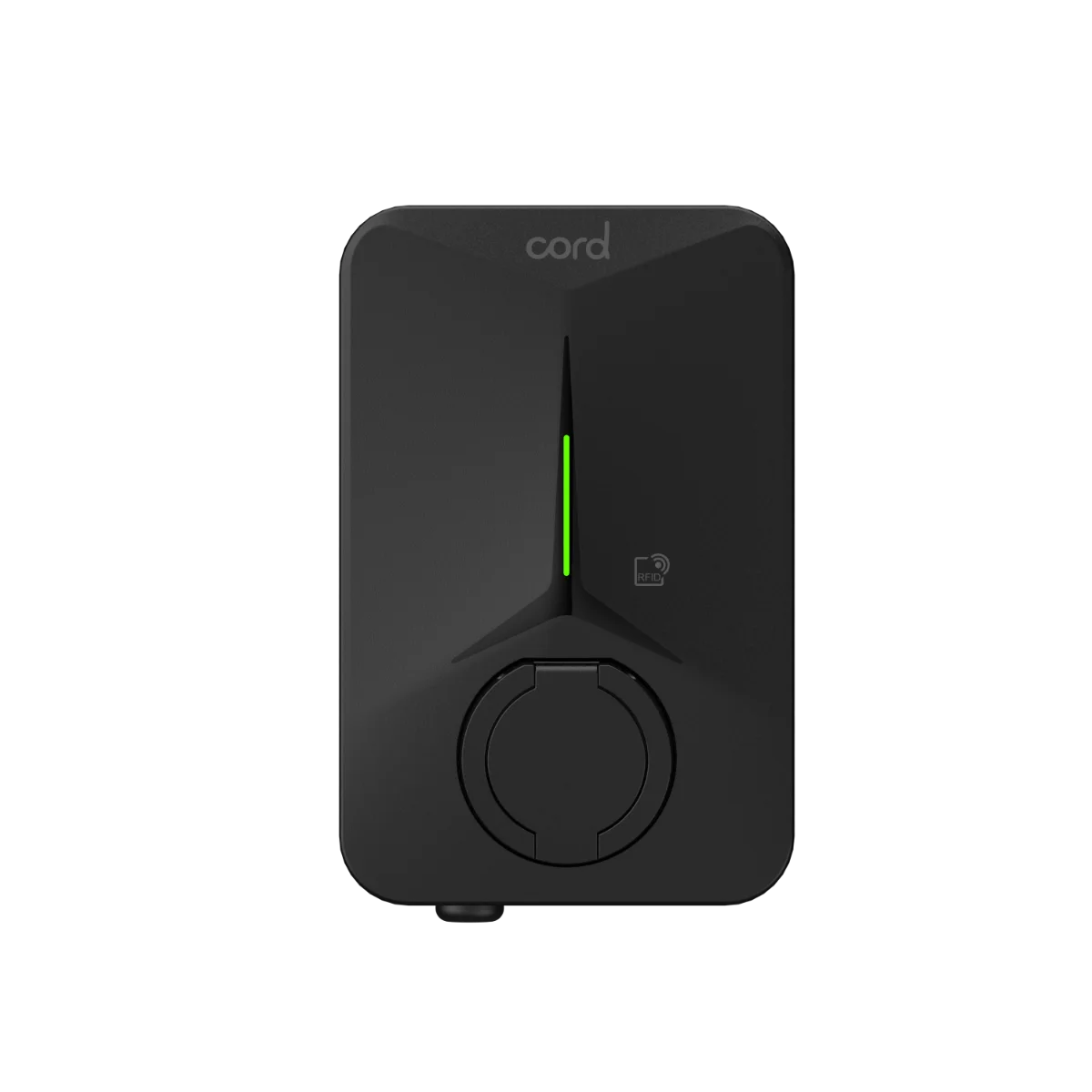
Choosing a home EV charger in the UK often comes down to a simple question: how much are you willing to pay for peace of mind? The Sync Energy Wall Charger 2 and the Cord Zero both deliver 7.4kW smart charging with solar compatibility, built-in safety features, and smart tariff support — but they take distinctly different paths to get there. The Sync Energy undercuts on price and offers genuine flexibility with socketed and tethered variants plus nine interchangeable colour fascias. The Cord Zero, meanwhile, commands a premium for its dual Wi-Fi + 4G connectivity, which means your charger stays online even when your home broadband doesn't.
If you're weighing these two up, you're likely a pragmatic buyer who wants solid smart features without paying flagship prices. Both are OZEV-approved, both have integrated PEN fault protection (so no earth rod needed), and both support OCPP 1.6J for future-proofing. The difference really comes down to what you value most: maximum savings upfront or maximum reliability in the long run.
In a nutshell:
- Sync Energy Wall Charger 2 (£362): The most affordable UK smart charger with integrated solar diversion, dynamic load balancing, and a choice of tethered or untethered configurations.
- Cord Zero (£555): The most reliably connected charger on the market, with built-in 4G failover and a comprehensive safety suite that can simplify installation.
Spec Comparison
| Feature | Sync Energy Wall Charger 2 | Cord Zero |
|---|---|---|
| Price | From £302 (tethered) / £362 (socketed) | £555 (5m tethered) / £475 (untethered) |
| Power | 7.4kW (32A, single-phase) | 7.4kW (single-phase) |
| Cable | 7.5m Type 2 (tethered) / socketed option | 5m Type 2 (8m version £625) / untethered £475 |
| Smart tariff support | TariffSense scheduling | EV tariff integration (Octopus Go, OVO, British Gas, EDF, etc.) |
| Solar | SolarCharge with CT clamp | Solar compatible |
| Connectivity | Wi-Fi + Ethernet + Bluetooth | Wi-Fi 2.4GHz + 4G (built-in multi-network SIM) |
| OCPP | 1.6J | 1.6J |
| Warranty | 3 years | 3 years (currently free upgrade to 5 years) |
| IP / IK Rating | IP65 / IK10 | IP54 / IK08 |
| Type | Tethered or untethered | Tethered or untethered |
App and Connectivity
This is where the two chargers diverge most sharply. The Cord Zero ships with dual Wi-Fi and 4G connectivity as standard, with automatic failover between the two. If your router drops out overnight — precisely when you're most likely to be charging on a cheap off-peak tariff — the Cord Zero seamlessly switches to its built-in multi-network SIM. That's a genuinely useful feature, and it's the Cord Zero's standout advantage.
The Sync Energy Wall Charger 2, by contrast, relies on Wi-Fi, Ethernet, or Bluetooth for its base model. The Ethernet option is a nice touch — a wired connection is inherently more stable than Wi-Fi — but it does require running a network cable to your charger location, which isn't always practical. Some user reviews have flagged Wi-Fi reliability issues at range, which is worth noting if your charger will be mounted far from your router. If you need 4G on the Sync Energy, you'll need to step up to the GG variant, which adds cost.
On the app side, the Sync Energy uses its own app with TariffSense scheduling, while the Cord Zero uses the Cord AI app. Neither app is considered best-in-class — the Cord AI app has been described as functional but basic compared to rivals like Ohme and Tesla, and the Sync Energy has experienced some user confusion following a platform transition from Monta. According to the electricpoint.com datasheet, the Sync Energy previously used Monta for its smart functionality, so early adopters may have experienced some disruption during the changeover.
Smart Tariff Integration and Solar
Both chargers support smart tariff scheduling, which is where the real savings lie for UK EV owners. On a tariff like Octopus Intelligent Go at roughly 7p/kWh off-peak, charging a 60kWh Tesla Model 3 battery from empty costs around £4.20 — compared to approximately £18 at a typical daytime rate of 30p/kWh. Over a year of average UK mileage (7,400 miles), that difference adds up to hundreds of pounds.
The Cord Zero specifically names compatibility with Octopus Go, OVO, British Gas, and EDF tariffs, which gives buyers confidence that their charger will play nicely with their energy provider. The Sync Energy's TariffSense feature offers scheduling to align with off-peak windows, though the data doesn't name specific tariff partnerships.
For solar owners, the Sync Energy has a clear edge. Its SolarCharge feature with CT clamp integration is a dedicated solar diversion system, allowing you to charge your EV using excess energy from your panels. The Cord Zero is listed as "solar compatible," but its solar integration is described as limited compared to dedicated solar chargers. If you've already invested in solar panels — or plan to — the Sync Energy's more developed solar capability could save you significant money over time.
Build Quality and Design
The Sync Energy earns strong marks for ruggedness with an IP65 rating (fully dust-tight and protected against water jets) and IK10 impact resistance — the highest rating on the standard scale. That makes it exceptionally well-suited to exposed driveways or areas where it might take a knock. It also offers nine interchangeable colour fascia plates, which is a thoughtful touch if you want your charger to blend with your property's exterior.
The Cord Zero is rated IP54 (protected against splashing water from all directions) and IK08 (resistant to moderate impacts). Both ratings are perfectly adequate for a UK driveway, but the Sync Energy does have the edge here on paper, particularly in exposed or coastal locations. The Cord Zero's compact dimensions (320mm × 210mm × 132mm) are very similar to the Sync Energy's (305mm × 201mm × 115mm), so neither will dominate your wall space.
One practical consideration: the Cord Zero's tethered cable has been noted to stiffen in cold weather, which can make it fiddly to handle on frosty January mornings. The Sync Energy's 7.5m tethered cable is notably longer than the Cord Zero's standard 5m offering — a genuine advantage if your parking spot isn't directly adjacent to the charger.
Price and Value
| Sync Energy Wall Charger 2 | Cord Zero | |
|---|---|---|
| Unit price | From £302 (tethered) / £362 (socketed) | £555 (5m tethered) |
| Installation estimate | £300–600 | £400–500 |
| Total installed range | £602–962 | £955–1,055 |
| After OZEV grant (if eligible) | £102–462 | £455–555 |
The price gap here is significant. At the tethered entry point, the Sync Energy Wall Charger 2 costs roughly £250 less than the Cord Zero before installation. Both chargers include built-in PEN fault protection, which eliminates the need for an earth rod — saving you £100–200 on installation compared to chargers that lack this feature. As noted by evergy.co.uk, the Sync Energy's integrated safety features meet UK regulations without additional hardware.
The Cord Zero partially closes the value gap with its current promotional upgrade from a 3-year to a 5-year warranty — though it's worth noting this is a promotional offer that may not last indefinitely. If warranty length matters to you, it's worth checking whether this offer is still active at the time of purchase. The Sync Energy's standard 3-year warranty is adequate but shorter than some rivals.
Who Should Buy Which?
Buy the Sync Energy Wall Charger 2 if:
- You want the lowest possible upfront cost without sacrificing smart features
- You have solar panels and want dedicated solar diversion charging via SolarCharge
- You prefer a socketed (untethered) charger for a cleaner look or multi-vehicle flexibility
- Your charger is in an exposed location and you want IP65/IK10 ruggedness
- You have an Ethernet connection available near your charger location for reliable wired connectivity
Buy the Cord Zero if:
- Reliable connectivity is your top priority and you don't want to worry about Wi-Fi range
- You want built-in 4G as standard without paying for a premium variant
- You're on a named smart tariff (Octopus Go, OVO, British Gas, EDF) and want confirmed compatibility
- The free 5-year warranty upgrade is still available, giving you extra long-term protection
- You value a fast installation turnaround — typically within 2 weeks of ordering
Our recommendation: For most UK buyers, the Sync Energy Wall Charger 2 offers the better overall value. It's significantly cheaper, has superior weatherproofing, a longer tethered cable, and genuinely useful solar diversion — all backed by Luceco PLC, a listed UK company. However, if you've ever been burned by flaky Wi-Fi or your charger will be mounted far from your router, the Cord Zero's built-in 4G failover is worth the premium. It's the kind of feature you never think about until you need it — and then you're very glad you have it.
For the full specs-level breakdown, see our Sync Energy Wall Charger 2 vs Cord Zero comparison page.
Read our full Sync Energy Wall Charger 2 review or Cord Zero review.
For total installed cost rankings, see our cheapest EV charger guide.
We’ll handle the installation
We’ll match you with vetted UK electricians — up to 3 free quotes, no obligation.