Pod Point Solo 3S vs EcoFlow PowerPulse 2: Hassle-Free vs Future-Proof
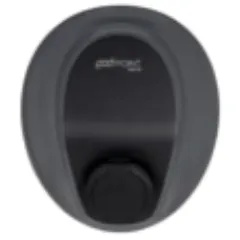
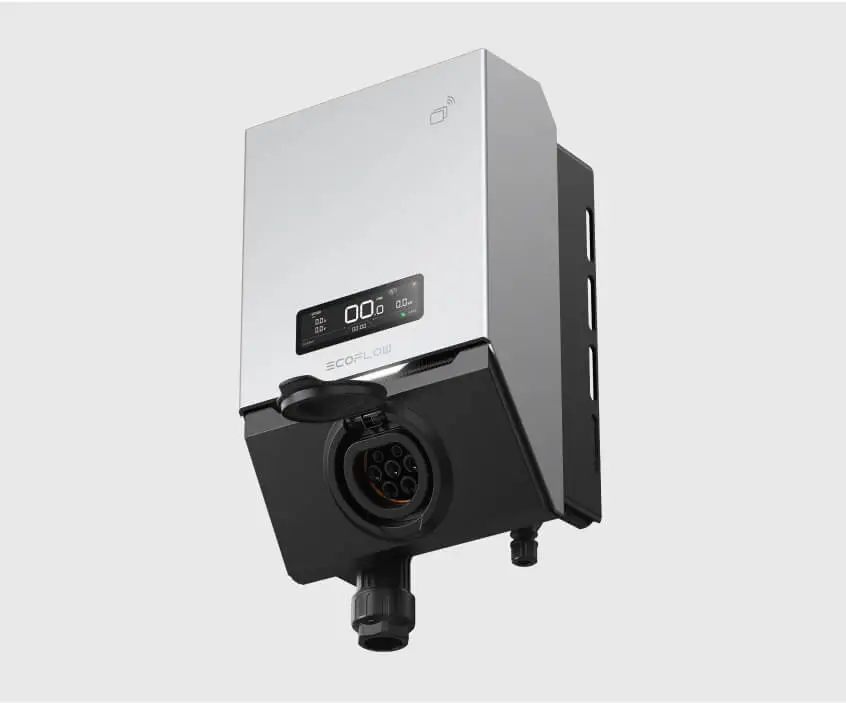
The Established Name vs the Ecosystem Newcomer
These two chargers represent fundamentally different philosophies about home EV charging. The Pod Point Solo 3S is the "just get it done" option — one price, installation included, backed by one of the UK's most recognised charging brands with over 250,000 units installed according to topcharger.co.uk. The EcoFlow PowerPulse 2, meanwhile, is a feature-rich newcomer from a company better known for portable power stations and home batteries, offering three-phase capability, dynamic tariff optimisation, and deep solar integration at a lower unit price.
You might be comparing these two if you want a reliable, no-fuss charger but have also noticed the PowerPulse 2's impressive spec sheet and lower price tag. Perhaps you already own EcoFlow solar or battery products, or you're tempted by the idea of three-phase charging for the future. Either way, the decision comes down to whether you value proven simplicity or cutting-edge flexibility.
In a nutshell:
- Pod Point Solo 3S (£999): A fully installed, warranty-backed charger from one of the UK's most established brands — zero hassle, zero surprises.
- EcoFlow PowerPulse 2 (£545): A feature-packed, ecosystem-friendly charger with solar mode, smart tariff optimisation, and three-phase support at a competitive price.
Spec Comparison
| Feature | Pod Point Solo 3S | EcoFlow PowerPulse 2 |
|---|---|---|
| Price | £999 (installed) | £545 (unit only) |
| Max Power | 7.4kW (single-phase) | 7kW / 22kW (single or three-phase) |
| Cable | Tethered (5m) or untethered | Untethered (tethered 5m also available) |
| Smart Tariff Integration | No | Yes — Smart Mode with dynamic tariff optimisation |
| Solar Compatible | Yes | Yes — dedicated Solar Mode |
| Connectivity | Wi-Fi | Wi-Fi, RFID |
| Warranty | 5 years | 3 years |
| IP Rating | IP54 | IP55 (IP54 without cable) |
| Display | No (app only) | Built-in LCD |
| OCPP Support | No | OCPP 1.6-J |
| Type | Tethered or untethered | Untethered (tethered available) |
Smart Tariff Integration
This is where the EcoFlow PowerPulse 2 pulls decisively ahead. Its Smart Mode offers dynamic tariff optimisation, meaning it can automatically shift your charging to the cheapest half-hour slots on tariffs like Octopus Agile, or schedule overnight sessions to coincide with off-peak windows on Octopus Go (7.5p/kWh between 00:30 and 04:30). For a typical Tesla Model 3 driver covering 7,400 miles a year, the difference between charging at peak rates (~24p/kWh) and off-peak (~7.5p/kWh) could save you roughly £350 annually.
The Pod Point Solo 3S, by contrast, offers scheduled charging through its app but lacks direct smart tariff integration. You can manually set a timer to charge during off-peak hours, but there is no automated API link to tariff providers. As warmzilla.co.uk notes in their charger roundup, this puts Pod Point behind competitors like Ohme when it comes to intelligent energy management. If you are on a simple flat-rate tariff and just want to plug in and forget about it, this may not matter. But if you are on — or planning to switch to — a time-of-use tariff, the PowerPulse 2 is the smarter choice.
Solar Diversion and Energy Ecosystem
Both chargers claim solar compatibility, but the depth of that integration differs significantly. The EcoFlow PowerPulse 2 features a dedicated Solar Mode that prioritises surplus solar energy for charging your EV, and if you own EcoFlow's PowerOcean home battery, you can manage solar generation, battery storage, home consumption, and EV charging from a single app. That level of ecosystem integration is genuinely impressive and currently unmatched by Pod Point.
The Pod Point Solo 3S is listed as solar compatible, but the data does not indicate a dedicated solar diversion mode or integration with any specific solar or battery system. For households with solar panels already installed — or planning an installation — the PowerPulse 2 offers a more sophisticated solution. As evenergyhub.com highlights, matching your charger to your energy ecosystem is one of the most important decisions you can make for long-term savings.
Power and Charging Speed
Most UK homes run on single-phase power, which limits both chargers to around 7kW. At that rate, a typical 60kWh EV battery takes roughly 8.5 hours from empty to full — comfortably overnight. The Pod Point Solo 3S delivers 7.4kW on single-phase, while the PowerPulse 2 offers 7kW.
Where the EcoFlow unit distinguishes itself is three-phase support. If you are among the small percentage of UK homes with a three-phase supply (or you are planning a commercial or workplace installation), the PowerPulse 2 can deliver up to 22kW — cutting that same 60kWh charge to around 2.7 hours. The Pod Point Solo 3S is single-phase only, with no three-phase option available. For the vast majority of UK homeowners, this difference is academic. But for future-proofing or non-domestic use, the PowerPulse 2 has a clear advantage.
Installation Considerations
Here is where the Pod Point Solo 3S earns its keep. The £999 price includes professional installation — no separate quotes, no hunting for OZEV-approved electricians, no nasty surprises on the day. Pod Point assigns a third-party installer from their network, and the work is covered by that generous 5-year warranty. The trade-off, as voltsmonster.com and others have noted, is that you cannot choose your installer or shop around for a cheaper quote. You are locked into Pod Point's process.
The EcoFlow PowerPulse 2 is a unit-only purchase at £545, so you will need to arrange your own installation. Budget £400–600 for a standard install, depending on cable run length and any consumer unit upgrades required. This gives you the freedom to choose a trusted local electrician or an installer with strong reviews — but it also means more legwork on your part. It is also worth noting that EcoFlow's OZEV approval status is not yet confirmed, so if you are a renter or flat owner hoping to claim the £500 grant, verify eligibility before purchasing.
Price and Value
| Cost Element | Pod Point Solo 3S | EcoFlow PowerPulse 2 |
|---|---|---|
| Unit Price | £999 (installed) | £545 |
| Installation | Included | £400–600 |
| Total Installed Cost | £999 | £945–£1,145 |
| After OZEV Grant (if eligible) | £499 | £445–£645 (if approved) |
On paper, the Pod Point Solo 3S looks more expensive — but once you factor in installation, the total cost is remarkably similar. The PowerPulse 2 could come in slightly cheaper if you find a competitive installer, or slightly more expensive if your installation is complex. The real value difference lies in what you get for the money: Pod Point gives you a longer warranty and zero installation hassle; EcoFlow gives you smart tariff integration, solar mode, three-phase capability, RFID, an LCD display, and OCPP compliance. Feature-for-feature, the PowerPulse 2 offers substantially more — if you are willing to manage the installation yourself and accept a shorter warranty from a less proven brand.
Who Should Buy Which?
Buy the Pod Point Solo 3S if:
- You want a completely hands-off purchase with installation included in one price
- You value a 5-year warranty and the reassurance of an established UK brand
- You are on a flat-rate electricity tariff and do not need smart tariff integration
- You prefer simplicity over features — plug in, charge, done
- You want the confidence of a Which?-endorsed installation service
Buy the EcoFlow PowerPulse 2 if:
- You already own EcoFlow solar panels or a PowerOcean home battery
- You want smart tariff optimisation to maximise savings on Octopus Agile, Go, or similar
- You have (or plan to install) a three-phase supply and want 22kW charging
- You prefer to choose your own installer and potentially save on installation costs
- You want OCPP compliance and RFID for future flexibility or shared-use scenarios
Our recommendation: For the average UK homeowner who just wants a reliable charger on the wall with minimal fuss, the Pod Point Solo 3S remains a safe, solid choice — and that included installation genuinely removes a major headache. But if you are even slightly engaged with your energy setup — whether that means a smart tariff, solar panels, or plans for either — the EcoFlow PowerPulse 2 offers significantly more capability for a similar total price. Its smart tariff integration alone could save you hundreds of pounds a year, which quickly offsets the shorter warranty. The PowerPulse 2 is the more future-proof charger; Pod Point is the more worry-free one. Choose accordingly.
Read our full Pod Point Solo 3S review or EcoFlow PowerPulse 2 review.
We’ll handle the installation
We’ll match you with vetted UK electricians — up to 3 free quotes, no obligation.