Ohme ePod vs EcoFlow PowerPulse 2: Smart Charging Veteran vs Solar Ecosystem Newcomer
The Proven Smart Charger vs the Ecosystem Powerhouse
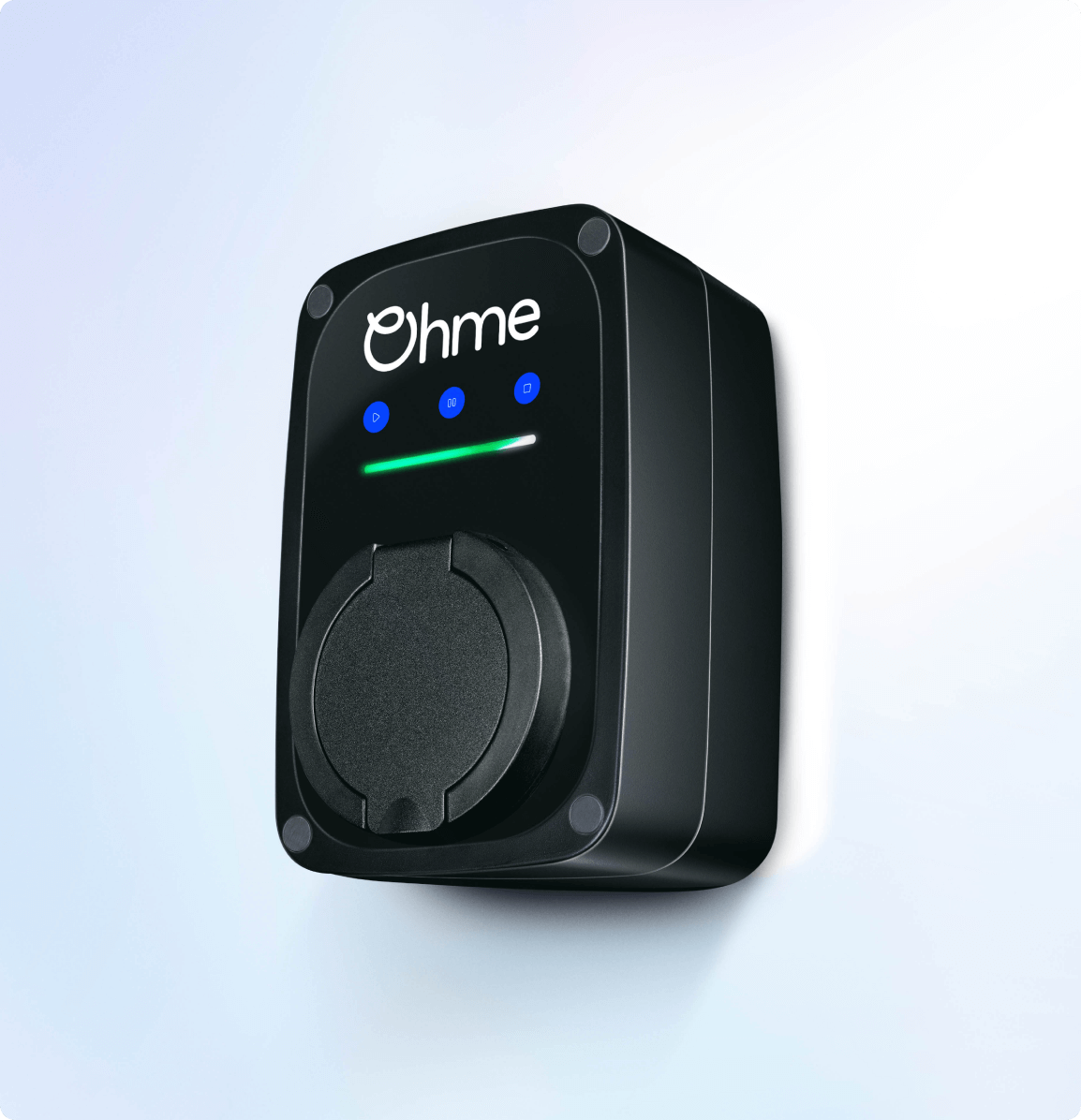
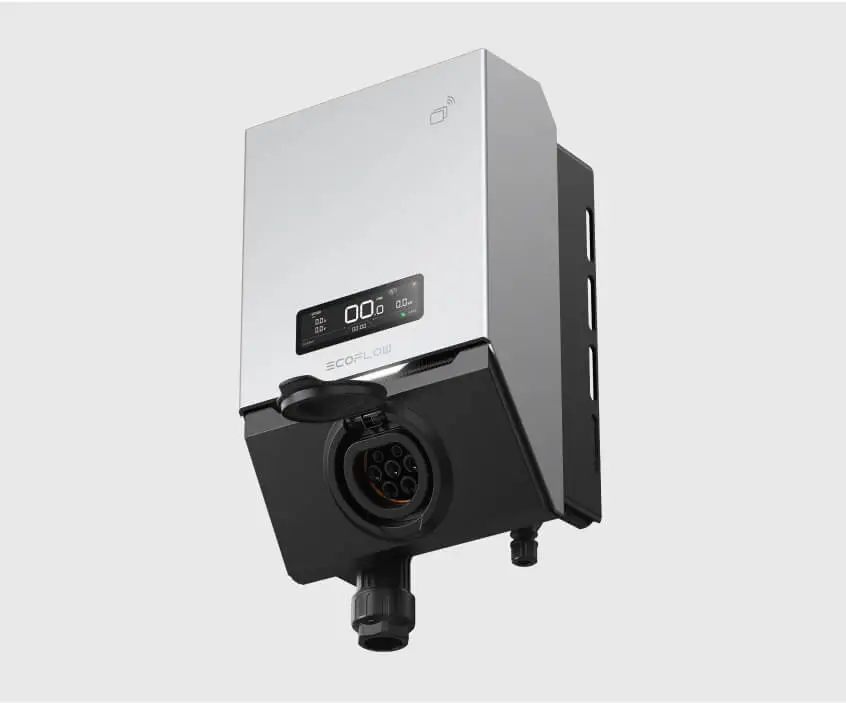
These two untethered chargers sit at different ends of the UK smart charging spectrum. The Ohme ePod is a tiny, laser-focused device built around one mission: automatically finding you the cheapest electricity rates. The EcoFlow PowerPulse 2, meanwhile, arrives from a company best known for portable power stations and home batteries, bringing deep solar and storage integration to the EV charging game.
On paper, they share a lot — both are untethered Type 2 units with solar features, smart scheduling, and 3-year warranties. But the philosophies behind them are quite different, and so are the trade-offs. If you are weighing up these two, you are probably someone who cares about more than just plugging in and forgetting about it. You want your charger to actively save you money, work with renewable energy, or slot into a wider home energy system. The question is which approach suits your setup best.
In a nutshell:
- Ohme ePod (£409): The UK's smallest smart charger with best-in-class tariff integration that can cut charging costs by up to 70%.
- EcoFlow PowerPulse 2 (£545): A three-phase-capable charger with unmatched integration into EcoFlow's solar and battery ecosystem.
Spec Comparison
| Feature | Ohme ePod | EcoFlow PowerPulse 2 |
|---|---|---|
| Price (unit only) | £409 | £545 |
| Max Power Output | 7.4kW (single-phase) | 7kW (single-phase) / 22kW (three-phase) |
| Cable | Untethered — cable not included | Untethered (tethered 5m version also available) |
| Smart Tariffs | Octopus Intelligent Go, Agile, OVO, British Gas | Smart Mode (dynamic tariff optimisation) |
| Solar | Solar Boost / Solar Only modes (CT clamp) | Solar Mode (prioritises surplus solar) |
| Connectivity | 3G/4G built-in SIM | Wi-Fi, RFID |
| Display | None (app only) | LCD status display |
| IP Rating | IP54 | IP55 (IP54 when cable not connected) |
| Weight | 1.48 kg | ~3.5 kg |
| Dimensions | 230 × 140 × 100 mm | 333 × 226 × 145 mm |
| Warranty | 3 years | 3 years |
| OZEV Approved | Yes | Not yet confirmed |
Smart Tariff Integration
This is where the Ohme ePod genuinely shines — and where the gap between these two chargers is widest. Ohme has spent years building direct integrations with the UK's most popular EV tariffs. Select Octopus Intelligent Go in the app, and the ePod will automatically schedule your charging across the cheapest off-peak windows — typically around 7p/kWh — without you lifting a finger. It also works natively with Octopus Agile (shifting charge into the cheapest 30-minute slots), OVO Smart Charge, and British Gas Electric Driver. The "Price cap" feature is particularly clever: set a maximum price you are willing to pay per kWh, and the charger simply will not draw power above that threshold.
As ohme-ev.com notes, this smart tariff integration can reduce charging costs by up to 70%, potentially saving £500 or more per year. For a typical Tesla Model 3 driver covering 7,400 miles annually, that is the difference between roughly £600 a year on a standard variable tariff and under £200 on Intelligent Go.
The EcoFlow PowerPulse 2 offers a "Smart Mode" for dynamic tariff optimisation and scheduled charging, but it lacks the deep, named tariff integrations that Ohme provides. You can set charging schedules manually, but the automated, API-level connection to tariffs like Intelligent Go — where the energy supplier actually extends your off-peak window — is not something EcoFlow currently matches. If cheap overnight charging is your primary motivation, the ePod is the clear winner here.
Solar and Energy Ecosystem
Flip the script to solar, and the EcoFlow PowerPulse 2 starts to pull ahead — especially if you are already invested in EcoFlow's wider product range. The PowerPulse 2 integrates directly with the EcoFlow PowerOcean home battery, meaning you can manage solar generation, battery storage, household consumption, and EV charging from a single app. Its Solar Mode automatically prioritises surplus solar energy for your car, reducing grid dependence and maximising self-consumption.
The Ohme ePod is no slouch on solar either. Its Solar Boost and Solar Only modes, enabled via a CT clamp on your consumer unit, let you divert excess solar generation to your EV. Solar Only mode will charge exclusively from surplus solar, while Solar Boost tops up from the grid if solar alone is not enough. For most homeowners with a standard solar PV array and no battery, this works perfectly well.
The difference is ecosystem depth. If you have — or plan to install — an EcoFlow PowerOcean battery alongside solar panels, the PowerPulse 2 creates a genuinely integrated home energy system. The Ohme ePod's solar features are excellent but standalone; they do not tie into a broader battery or energy management platform. For solar-only homes, both chargers perform admirably. For solar-plus-battery homes built around EcoFlow, the PowerPulse 2 is the obvious choice.
Design, Connectivity and Day-to-Day Use
The physical difference between these two chargers is striking. The Ohme ePod weighs just 1.48 kg and measures 230 × 140 × 100 mm — as electriccarguide.co.uk notes, it is remarkably compact, making it ideal for tight spaces or a clean, minimalist look on your wall. The EcoFlow PowerPulse 2 is more than twice the weight at roughly 3.5 kg and noticeably larger at 333 × 226 × 145 mm. Neither is enormous, but the ePod practically disappears on a garage wall.
Connectivity is another key distinction. The ePod uses a built-in 3G/4G multi-network SIM, so it works independently of your home Wi-Fi. This is a genuine advantage if your charger is mounted far from your router or in a detached garage with poor signal. The PowerPulse 2 relies on Wi-Fi, which is fine for most installations but could be problematic in outbuildings or at the end of a long driveway.
On the other hand, the PowerPulse 2 includes an LCD display showing charging status at a glance, plus RFID authentication if you want to restrict access. The ePod has no screen whatsoever — everything is controlled through the Ohme app. For most owners this is perfectly fine, but if you like a quick visual check without reaching for your phone, the EcoFlow has the edge. The PowerPulse 2 also supports OCPP 1.6-J, which could be useful if you ever want to connect it to a third-party charging management platform.
Price and Value
| Cost | Ohme ePod | EcoFlow PowerPulse 2 |
|---|---|---|
| Unit price | £409 | £545 |
| Charging cable | £100–200 (required) | Not included (untethered version) |
| Typical installation | £300–600 | £400–600 |
| Total installed cost | £809–1,209 | £945–1,145 |
| After OZEV grant (if eligible) | £309–709 | Not yet confirmed |
The Ohme ePod looks cheaper at first glance, but remember you will need to buy a Type 2 cable separately — budget £100–200 for a decent one. That narrows the gap considerably. The ePod does have confirmed OZEV approval, which could save eligible renters and flat owners up to £500. The EcoFlow's OZEV status is not yet confirmed, so check before purchasing if the grant matters to you.
Where the ePod delivers undeniable value is in ongoing savings. If its tariff integration saves you even £300 a year versus the PowerPulse 2's more basic scheduling, the lower purchase price plus lower running costs make it the better financial proposition for most drivers. The PowerPulse 2's value case is strongest when viewed as part of a wider EcoFlow energy system, where the combined savings across solar, battery, and EV charging add up to more than any single charger can deliver alone.
Who Should Buy Which?
Buy the Ohme ePod if:
- You want the best automatic smart tariff integration available in the UK today
- You are on (or plan to switch to) Octopus Intelligent Go, Agile, OVO, or British Gas EV tariffs
- Your charger location has poor Wi-Fi and you need cellular connectivity
- You want the smallest, most discreet charger possible
- You want a confirmed OZEV-approved unit
Buy the EcoFlow PowerPulse 2 if:
- You already own or plan to buy EcoFlow PowerOcean solar and battery products
- You have (or are planning) a three-phase supply and want up to 22kW charging
- You prefer a built-in LCD display and RFID access control
- You want OCPP 1.6-J compliance for future flexibility
- You are building a whole-home energy ecosystem, not just buying a charger
Our recommendation: For the majority of UK Tesla and EV owners on a standard single-phase supply, the Ohme ePod is the smarter buy. Its tariff integration is genuinely best-in-class, the cellular connectivity removes Wi-Fi headaches, and the ongoing savings comfortably justify the purchase price. However, if you are an EcoFlow ecosystem owner — particularly with a PowerOcean battery and solar panels — the PowerPulse 2 becomes the more compelling choice, offering a level of whole-home energy integration that the ePod simply cannot match. And if you are one of the rare UK homes with three-phase power, the PowerPulse 2's 22kW capability is a significant advantage the ePod cannot offer at all.
Read our full Ohme ePod review or EcoFlow PowerPulse 2 review.
We’ll handle the installation
We’ll match you with vetted UK electricians — up to 3 free quotes, no obligation.