Indra Smart LUX vs EcoFlow PowerPulse 2: Slim & Tough vs Solar Ecosystem
UK Craftsmanship vs Solar Ecosystem Power: Which Charger Fits Your Home?
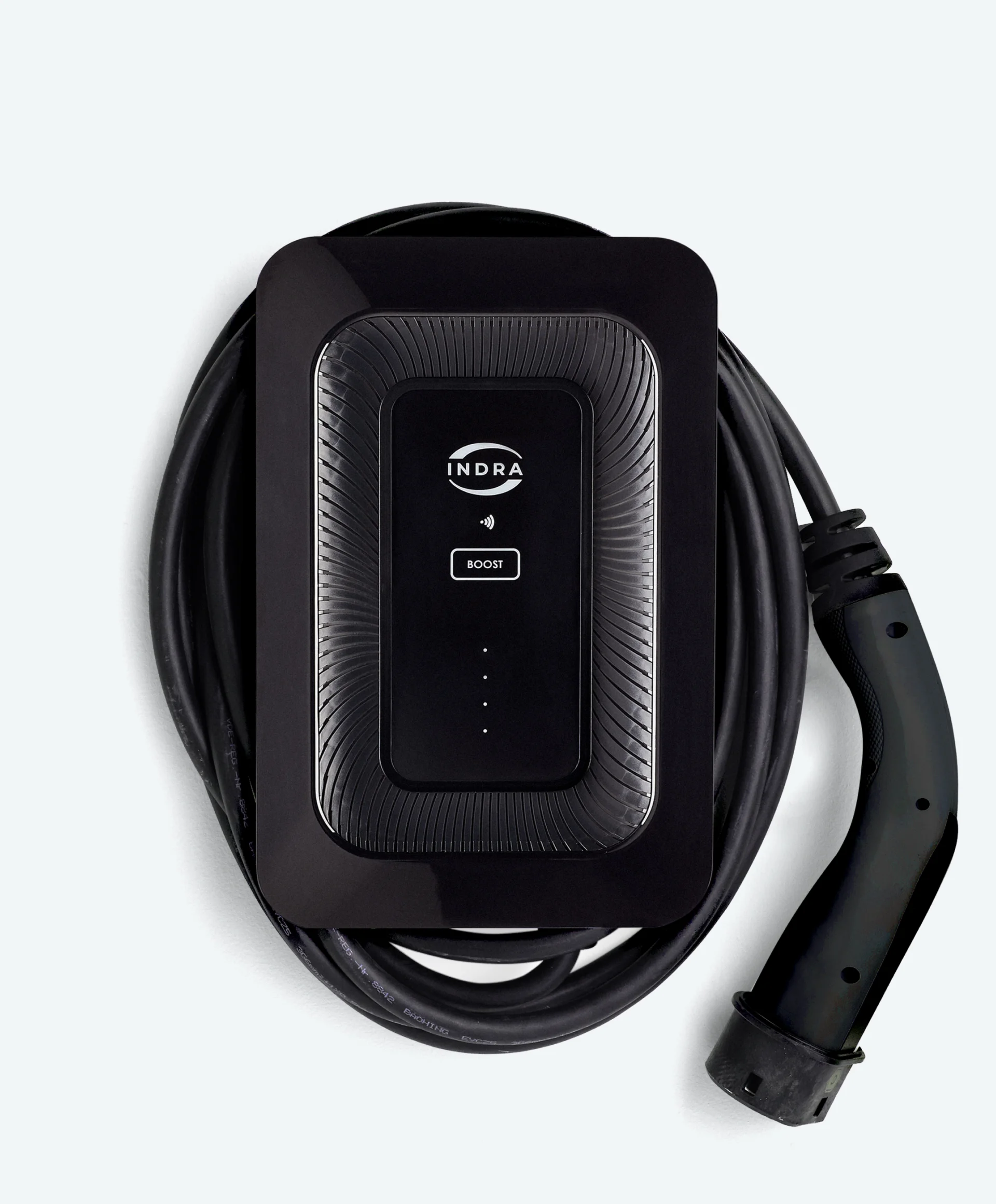
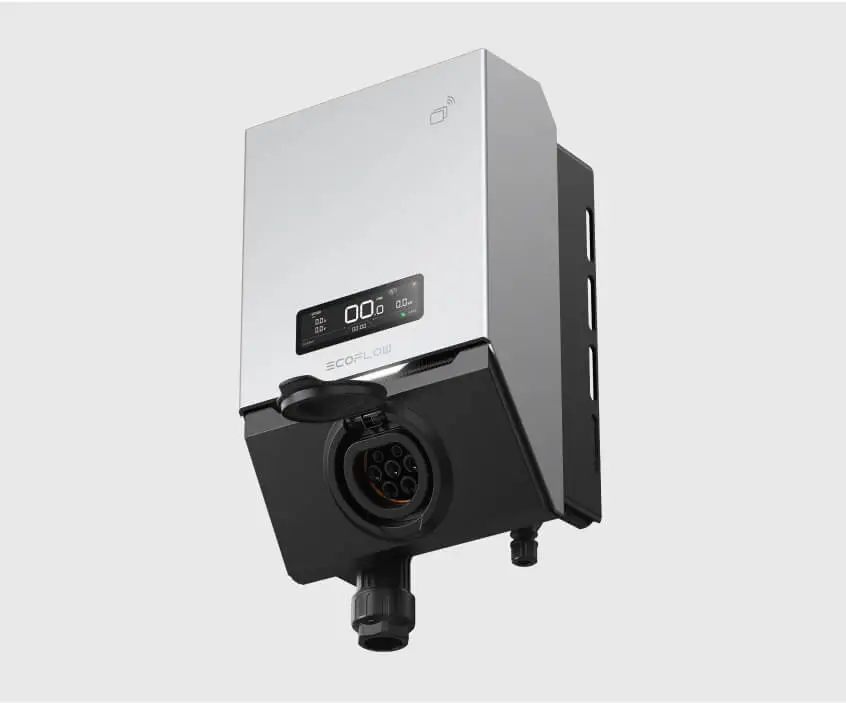
These two chargers come from very different stables, yet they've landed at surprisingly similar price points — which is exactly why you might find yourself torn between them. The Indra Smart LUX is a proudly British-designed and Worcestershire-manufactured unit that majors on build quality, ultra-slim aesthetics, and deep UK energy tariff integration. The EcoFlow PowerPulse 2 is the EV charging debut from a brand best known for portable power stations and home battery systems, and it brings a unique ecosystem play — particularly if you already own (or plan to buy) EcoFlow solar panels and a PowerOcean home battery.
Both are 7kW-capable smart chargers with solar features, app control, and OCPP compliance. But dig beneath the surface and the differences are significant: one is the slimmest, toughest charger you can bolt to a British wall; the other offers three-phase capability and an integrated energy management ecosystem that no other home charger can match. Let's break it all down.
In a nutshell:
- Indra Smart LUX (£615): The UK's slimmest smart charger with class-leading IP67/IK10 protection and integration with over 1,000 energy tariffs.
- EcoFlow PowerPulse 2 (£545): A competitively priced newcomer with deep solar and battery ecosystem integration and optional three-phase 22kW charging.
Spec Comparison
| Feature | Indra Smart LUX | EcoFlow PowerPulse 2 |
|---|---|---|
| Price (supply only) | From £615 | From £545 |
| Max Power Output | 7.4kW (single-phase) | 7kW (single-phase) / 22kW (three-phase) |
| Cable Type | Tethered (Type 2) | Untethered (tethered 5m also available) |
| Cable Length | 6m or 10m | N/A (untethered) or 5m tethered |
| Smart Tariff Support | 1,000+ tariffs including Octopus Agile | Smart Mode with dynamic tariff optimisation |
| Solar Integration | Solar PV diversion (CT clamp included) | Solar Mode (prioritises surplus solar) |
| Connectivity | Wi-Fi (Ethernet and 4G optional) | Wi-Fi, RFID |
| Display | Turbine LED status light | Built-in LCD display |
| IP Rating | IP67 + IK10 | IP55 (IP54 without cable) |
| Dimensions | 201 × 306 × 78mm | 333 × 226 × 145mm |
| Weight | 3.6kg (6m cable) | ~3.5kg |
| Warranty | 3 years (extendable to 5) | 3 years |
| OZEV Approved | Yes | Not yet confirmed |
Smart Tariff Integration
This is where the Indra Smart LUX really flexes. Indra claims compatibility with over 1,000 UK energy tariffs, and crucially this includes the increasingly popular variable-rate tariffs like Octopus Agile, where electricity prices change every 30 minutes. The charger can automatically schedule your charging sessions to hit the cheapest slots — potentially driving your cost per mile below 3p on the right tariff. It also works with Intelligent Octopus Go and OVO Charge Anytime, which is confirmed by multiple sources including chargeguru.com and electricpoint.com.
The EcoFlow PowerPulse 2 offers its own Smart Mode for dynamic tariff optimisation and scheduled charging, but the data doesn't specify the breadth of tariff compatibility in the same way. If you're on a straightforward off-peak tariff like Octopus Go (7.5p/kWh between 00:30 and 04:30), either charger will handle scheduling just fine. But if you want to ride the half-hourly waves of Agile pricing, the Indra's proven 1,000+ tariff integration gives it a clear edge.
Solar Diversion and Energy Ecosystem
Both chargers offer solar PV diversion — the ability to route surplus energy from your rooftop panels directly into your EV rather than exporting it to the grid for a few pence per kWh. The Indra Smart LUX includes a CT clamp as standard for monitoring your home's energy flow, and it works as a standalone solar diversion charger regardless of what other kit you have installed.
The EcoFlow PowerPulse 2 takes a different approach. Its Solar Mode prioritises surplus solar, but the real magic happens if you're embedded in the EcoFlow ecosystem — specifically the PowerOcean home battery. In that scenario, you can manage solar generation, battery storage, home consumption, and EV charging from a single EcoFlow app. That level of unified energy management is genuinely unique in the UK market right now. However, if you don't own EcoFlow products, the ecosystem advantage largely evaporates, and you're left with a capable but less distinctive solar charger.
Build Quality and Design
The Indra Smart LUX is, quite simply, built like a tank disguised as a designer watch. At just 78mm deep, it's the slimmest tethered smart charger on the UK market — almost flush against the wall. The IP67 rating means it's fully dust-tight and can survive temporary submersion in water, while the IK10 impact rating means it'll shrug off accidental knocks from car doors or wayward footballs. It's available in four colours — Indra White, Symphony Black, Malvern Stone, and Elgar Grey — so you can match it to your home's exterior. The turbine LED lighting system changes colour to show charging status at a glance, which is a lovely touch as noted by electriccarguide.co.uk.
The EcoFlow PowerPulse 2 is a perfectly solid unit at IP55, which is adequate for outdoor UK use — it'll handle rain and jet washing, but it's a step below the Indra's submersible rating. At 145mm deep, it's nearly twice as thick as the LUX, though still compact by charger standards. It does have one practical advantage: a built-in LCD display that shows charging status without needing to open an app. The untethered design also means a cleaner look on the wall when the charger isn't in use, and it gives you flexibility if you have multiple EVs with different cable lengths.
Power and Charging Speed
On a standard UK single-phase supply, the Indra Smart LUX delivers 7.4kW versus the EcoFlow's 7kW. In practice, that's a negligible difference — a 60kWh Tesla Model 3 Long Range would take roughly 8.1 hours on the Indra versus about 8.6 hours on the EcoFlow. Both will comfortably fill your battery overnight.
Where the EcoFlow stands apart is three-phase support. If you're one of the small percentage of UK homes with a three-phase supply (or you're planning a commercial installation), the PowerPulse 2 can deliver up to 22kW — cutting that same 60kWh charge to around 2.7 hours. The Indra is single-phase only. For most UK homeowners this won't matter, but it's a genuine differentiator for those who have the supply to use it.
Price and Value
| Cost Element | Indra Smart LUX | EcoFlow PowerPulse 2 |
|---|---|---|
| Unit Price (supply only) | From £615 | From £545 |
| Typical Installation | £300–500 | £400–600 |
| Total Installed (est.) | £915–1,115 | £945–1,145 |
| After OZEV Grant (if eligible) | £415–615 | £445–645 |
| Installed via Indra/Installer | From £1,075 | N/A |
The EcoFlow is £70 cheaper on supply-only pricing, but the Indra's installation costs can be lower thanks to built-in SPD and PEN fault detection, which may reduce the work needed at your consumer unit. Indra also offers an all-in installed price from £1,075 through their own network, which simplifies the buying process. Note that the EcoFlow's OZEV grant eligibility has not yet been confirmed — worth checking before you commit if you're a renter or flat owner hoping to claim the £500 grant.
Both chargers offer a 3-year warranty. The Indra can be extended to 5 years for an additional £100, while the EcoFlow data doesn't mention an extension option. Given EcoFlow's relative newness in the EV charging space, that shorter warranty with no confirmed extension is a consideration.
Who Should Buy Which?
Buy the Indra Smart LUX if:
- You want the toughest, most weather-resistant home charger available (IP67/IK10)
- You're on or considering Octopus Agile or another variable-rate tariff and want proven compatibility with 1,000+ tariffs
- Slim aesthetics matter — the 78mm profile is unmatched
- You value UK design and manufacturing with an established installer network
- You want built-in PEN fault detection and SPD to simplify installation
Buy the EcoFlow PowerPulse 2 if:
- You already own or plan to buy EcoFlow solar panels and a PowerOcean home battery
- You have (or plan to install) a three-phase supply and want 22kW charging capability
- You prefer an untethered charger for a cleaner wall-mounted look or multi-EV flexibility
- You want a built-in LCD display for at-a-glance status without opening an app
- You're looking for the lower upfront unit cost and don't need OZEV grant eligibility
Our recommendation: For the typical UK homeowner on a single-phase supply, the Indra Smart LUX is the safer, more complete choice. Its unrivalled build quality, proven tariff integration, and established UK support network give it a reliability edge that matters when you're bolting something to your house for the next decade. But if you're building out an EcoFlow energy ecosystem at home — solar, battery, and now EV charging all managed from one app — the PowerPulse 2 offers a level of integrated energy management that no other charger can currently match. That ecosystem play is its killer feature; without it, the Indra wins on almost every other front.
Read our full Indra Smart LUX review or EcoFlow PowerPulse 2 review.
We’ll handle the installation
We’ll match you with vetted UK electricians — up to 3 free quotes, no obligation.