GivEnergy EV Charger vs Rolec EVO: Battery Storage Star vs Budget All-Rounder
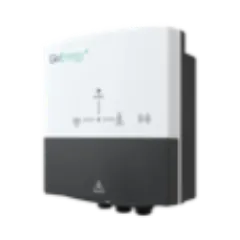
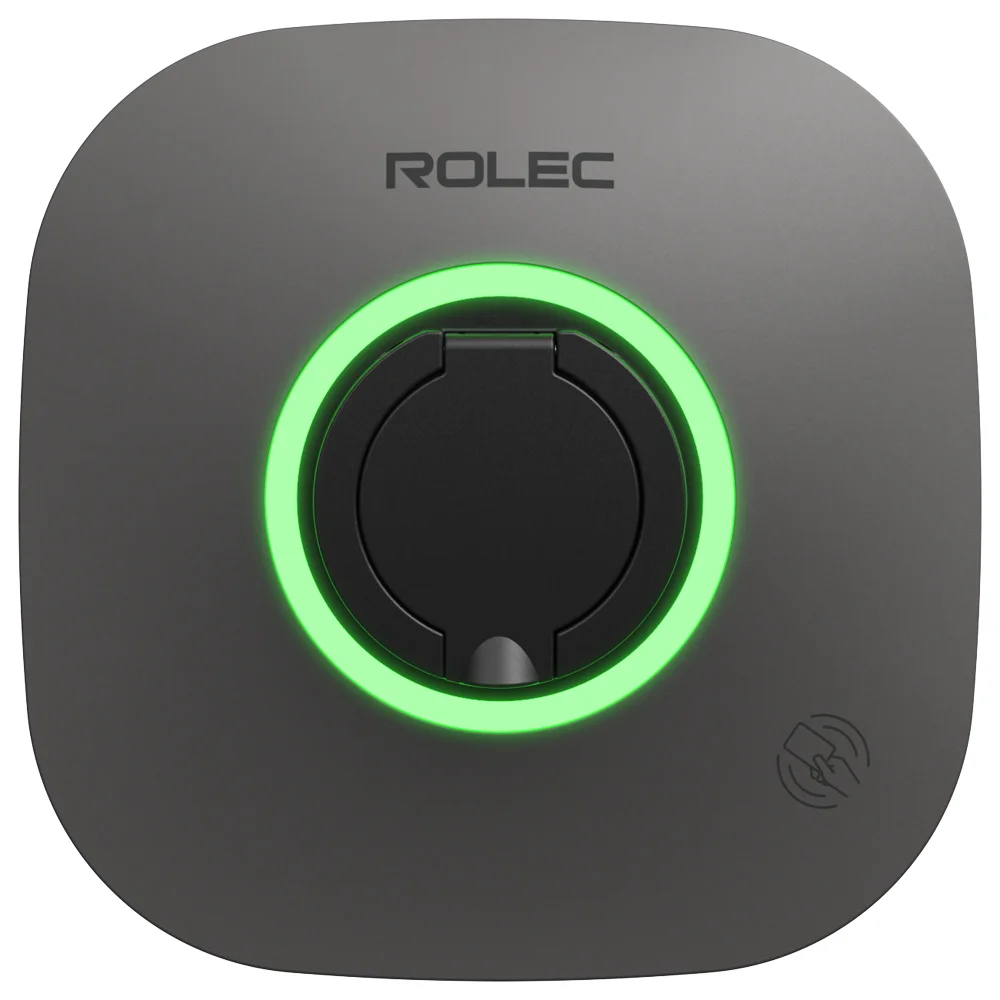
The Battery Specialist vs the Feature-Packed All-Rounder
Two sub-£500 chargers, both with solar integration, both OZEV-approved — but built for very different households. The GivEnergy EV Charger (£478) is laser-focused on one killer trick: charging your EV from a home battery, turning stored solar into miles. The Rolec EVO (£449) takes a broader approach, packing in dynamic load balancing, built-in electrical protection, and an industry-leading five-year warranty at a price that undercuts chargers with half its feature list.
If you already own — or are planning — a home battery system, the GivEnergy is hard to ignore. If you want the most well-rounded smart charger for the least money, the Rolec EVO makes a compelling case. Let's dig into the detail.
In a nutshell:
- GivEnergy EV Charger (£478): The only charger in this price bracket that can charge your EV directly from stored battery energy — a genuine game-changer for solar-plus-storage homes.
- Rolec EVO (£449): A feature-rich, UK-built smart charger with solar modes, dynamic load balancing, built-in electrical protection, and a five-year warranty — all for under £450.
Spec Comparison
| Feature | GivEnergy EV Charger | Rolec EVO |
|---|---|---|
| Price | £478 | £449 |
| Power | 7kW | 7.4kW |
| Type | Tethered (Type 2, 5m cable) | Untethered (Type 2 socket) |
| Smart tariff integration | Limited | Basic (via scheduling) |
| Solar integration | Solar divert + battery-to-EV | Eco & Eco+ modes (CT clamp included) |
| Connectivity | Wi-Fi | Wi-Fi 6, Bluetooth 5.0, Ethernet |
| Dynamic load balancing | Not listed | Yes (CT clamp included) |
| Built-in electrical protection | Not specified | Type A RCD + 6mA DC + PME/PEN detection |
| RFID | Yes | Yes (2 cards included) |
| Warranty | 3 years | 5 years |
| IP / IK rating | IP65 | IP54 + IK10 |
| Weight | ~4.5 kg | 3 kg |
Solar Integration: Two Very Different Approaches
Both chargers can divert solar energy to your EV, but they go about it in fundamentally different ways.
The GivEnergy EV Charger's standout feature is battery-to-EV charging. Rather than only using live solar generation — which requires your car to be plugged in while the sun is shining — it can pull energy from a home battery that was filled earlier in the day. That means you could soak up cheap solar at midday, store it, and push it into your Tesla at 6pm when you get home. It also integrates with the GivEnergy monitoring portal for whole-home energy management, and works with any home battery system, not just GivEnergy's own.
The Rolec EVO takes a more conventional but still effective route. Its Eco and Eco+ modes adjust charging rate based on real-time solar surplus, and the CT clamp needed for this comes included in the box — a nice touch, since some rivals charge extra for it. Without a home battery, the Rolec's solar diversion is arguably more practical for the majority of households, as it dynamically balances what your panels produce against what the house needs. However, it cannot tap into stored energy the way the GivEnergy can.
For solar-only homes without a battery, the Rolec EVO's approach is simpler and arguably more refined. For homes with battery storage, the GivEnergy is in a league of its own at this price.
App, Connectivity and Smart Features
Neither charger is going to win awards for its software when stacked against the likes of Ohme or Hypervolt, but there are meaningful differences here.
The GivEnergy charger connects via Wi-Fi and ties into the broader GivEnergy monitoring portal — a genuine plus if you already have a GivEnergy inverter or battery, since you get a single dashboard for your entire energy ecosystem. However, the app itself is described as basic compared to leading rivals, and smart tariff integration is limited. If you are on a tariff like Octopus Intelligent Go or Octopus Agile, you will not get the same automated penny-pinching optimisation that an Ohme Home Pro or Hypervolt Home 3 Pro would deliver (heatable.co.uk).
The Rolec EVO offers broader connectivity — Wi-Fi 6, Bluetooth 5.0, and Ethernet — giving you more options for a reliable connection, particularly useful if your charger is in a garage or at the far end of a driveway where Wi-Fi can be patchy. It also supports OCPP 1.6J, an open protocol that could allow future integration with third-party energy platforms. The EVO app provides charge scheduling and energy monitoring, though as a newer product, user feedback suggests the software is still being polished (wyelectrical.co.uk). Neither charger offers 4G cellular fallback, so a solid home internet connection is important for both.
Installation and Build Quality
The Rolec EVO has a significant installation advantage thanks to its built-in Type A RCD, 6mA DC protection, and PME/PEN fault detection. This eliminates the need for separate protective devices at the consumer unit, which can save you £100–£200 on installation — a meaningful saving that effectively wipes out the charger's purchase price advantage over many competitors. The compact 260mm × 260mm × 112mm unit weighs just 3 kg and has an IK10 impact rating — the highest available — making it exceptionally tough. Its IP54 water resistance is adequate for sheltered outdoor locations, though the GivEnergy's IP65 rating offers better protection against driving rain if your charger is fully exposed.
The GivEnergy is slightly larger at 320mm × 220mm × 115mm and heavier at 4.5 kg, but its tethered design with a 5-metre Type 2 cable means you simply grab and plug in — no separate cable to store or carry. The Rolec EVO is untethered only, so you will need to supply your own Type 2 charging cable (typically £100–£200 for a decent one), which adds to the total cost and means an extra step each time you charge.
One more detail worth noting: the Rolec EVO won a Red Dot Design Award in 2024, and it is designed and manufactured in Boston, Lincolnshire — a genuine UK-made product with a five-year warranty to back it up.
Price and Value
| GivEnergy EV Charger | Rolec EVO | |
|---|---|---|
| Unit price | £478 | £449 |
| Typical installation | £400–£600 | £400–£600 |
| Total installed cost | £878–£1,078 | £849–£1,049 |
| After OZEV grant (if eligible) | £378–£578 | £349–£549 |
On paper, the Rolec EVO is £29 cheaper to buy. But the real value gap is wider than that. The EVO's built-in electrical protection can knock £100–£200 off your installation bill, while the GivEnergy may require additional protective devices at the consumer unit. On the other hand, the Rolec is untethered, so you will need to factor in the cost of a separate charging cable — typically £100–£200 — which narrows the gap again.
If you already have a home battery, the GivEnergy's ability to charge your EV from stored energy could save you significantly more over time. Charging a 60kWh Tesla Model 3 battery entirely from stored solar rather than grid electricity at, say, 24p/kWh saves roughly £14 per full charge — that adds up to hundreds of pounds a year depending on your mileage.
Who Should Buy Which?
Buy the GivEnergy EV Charger if:
- You already own a home battery system (GivEnergy or otherwise) and want to charge your EV from stored energy
- You use the GivEnergy monitoring portal and want a single energy dashboard
- You prefer a tethered charger with a permanently attached cable for convenience
- You prioritise solar self-consumption and want to maximise every kWh from your panels
- You are building a full GivEnergy ecosystem (solar, battery, charger)
Buy the Rolec EVO if:
- You want the most features for the least money and do not have a home battery
- You want to minimise installation costs with built-in RCD, DC protection, and PEN fault detection
- A five-year warranty matters to you — it is the longest in this price bracket
- You value connectivity options (Wi-Fi 6, Bluetooth, Ethernet) for a reliable connection
- You want dynamic load balancing included as standard to protect your home electrics
- You prefer an untethered socket for flexibility with multiple EVs or future cable upgrades
Our recommendation: For the majority of UK households without a home battery, the Rolec EVO is the smarter buy. It delivers more features, a longer warranty, and potentially lower installation costs — all for £29 less than the GivEnergy. The built-in electrical protection alone could save you more than the charger's entire price difference. However, if you have a home battery system, the GivEnergy EV Charger unlocks a capability that no other sub-£500 charger can match: true battery-to-EV charging. That single feature transforms it from a decent budget charger into the centrepiece of a genuinely self-sufficient home energy system. Choose based on your setup — the right answer depends entirely on whether there is a battery on your wall.
For the full specs-level breakdown, see our GivEnergy EV Charger vs Rolec EVO comparison page.
Read our full GivEnergy EV Charger review or Rolec EVO review.
If you have solar panels, see our best EV charger for solar panels guide.
We’ll handle the installation
We’ll match you with vetted UK electricians — up to 3 free quotes, no obligation.