GivEnergy EV Charger vs Indra Smart LUX: Battery Storage vs Built Tough
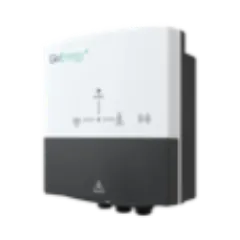
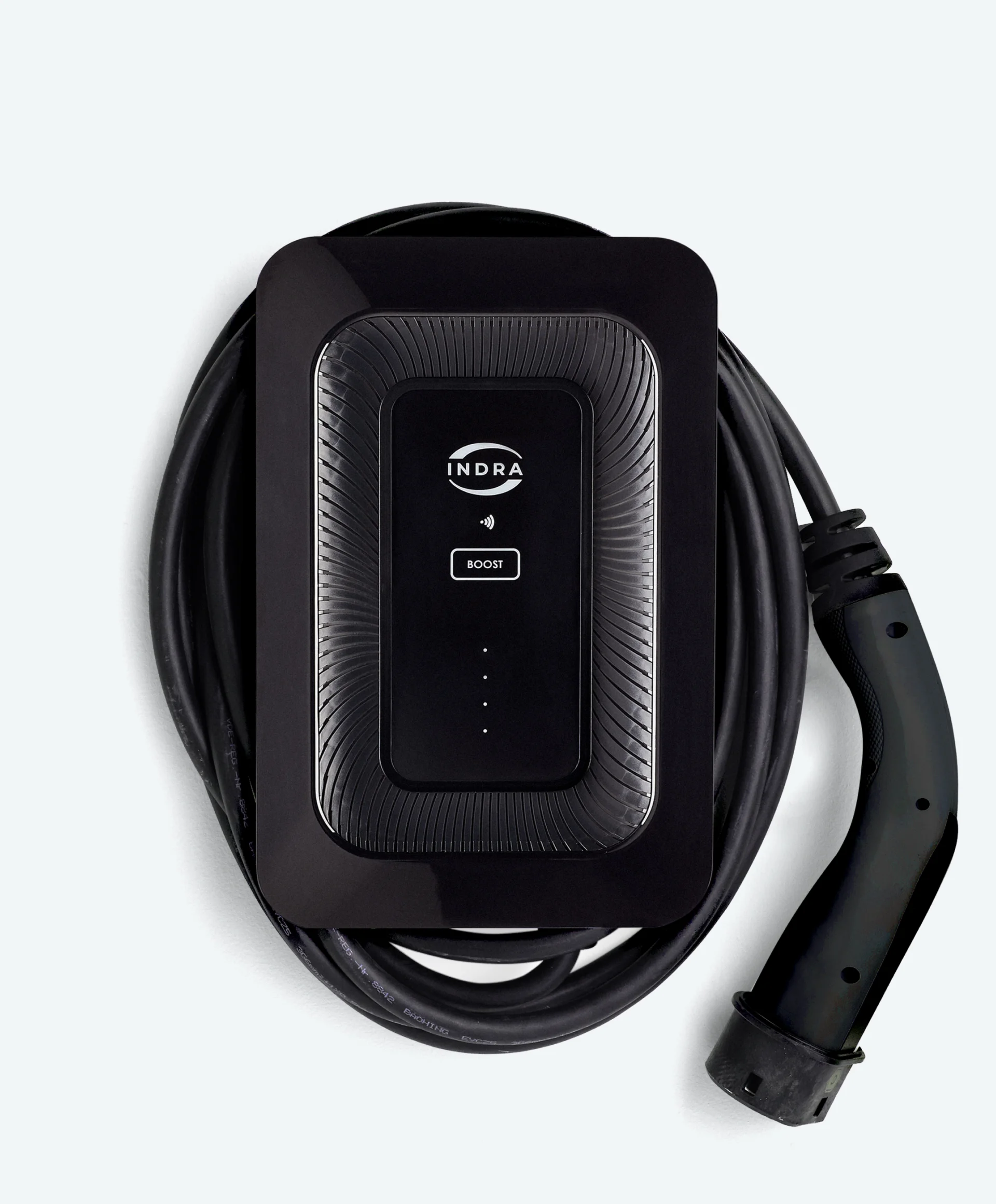
The Battery Specialist vs the Tough All-Rounder
These two chargers sit at different ends of the smart charging spectrum, yet they share a surprising amount of common ground. Both are tethered Type 2 units designed for single-phase UK homes, both offer solar diversion, and both come with RFID security. The difference lies in what each does exceptionally well — and which of those strengths actually matters for your setup.
The GivEnergy EV Charger is purpose-built for homes with battery storage. Its headline trick is charging your EV from energy stored in a home battery — not just live solar generation, but power banked from cheap overnight tariffs or earlier sunshine. The Indra Smart LUX, meanwhile, is a UK-designed and manufactured unit that majors on durability, slim aesthetics, and deep smart tariff integration with over 1,000 energy tariffs. It is, quite literally, the toughest and thinnest smart charger you can bolt to a British wall.
So which one deserves a spot on your house? That depends entirely on whether you already have (or plan to get) a home battery, or whether you want a feature-rich charger that can shrug off anything our weather throws at it.
In a nutshell:
- GivEnergy EV Charger (£478): The only budget charger that can charge your Tesla from stored home battery energy — a genuine game-changer for battery owners.
- Indra Smart LUX (£615): The UK's slimmest smart charger with IP67/IK10 protection and integration with 1,000+ energy tariffs including Octopus Agile.
Spec Comparison
| Feature | GivEnergy EV Charger | Indra Smart LUX |
|---|---|---|
| Price | £478 | £615 (10m cable) |
| Max Power | 7kW | 7.4kW |
| Cable Length | 5 metres | 6 metres (10m available) |
| Smart Tariffs | Limited integration | 1,000+ tariffs inc. Octopus Agile |
| Solar Diversion | Yes | Yes (CT clamp included) |
| Battery-to-EV | Yes | No |
| Connectivity | Wi-Fi | Wi-Fi (4G optional, +£250) |
| Warranty | 3 years | 3 years (5 years for +£100) |
| IP Rating | IP65 | IP67 + IK10 |
| Weight | ~4.5 kg | 3.6 kg |
| Dimensions (D) | 115mm deep | 78mm deep |
| Type | Tethered (Type 2) | Tethered (Type 2) |
| RFID | Yes | Yes + QR code |
| OCPP | Not specified | OCPP 1.6 |
Smart Tariff Integration
This is where the Indra Smart LUX pulls decisively ahead. It integrates with over 1,000 UK energy tariffs, including variable-rate tariffs like Octopus Agile, where electricity prices shift every 30 minutes. That kind of granular control can save you serious money — on Agile, you might pay as little as 5–6p/kWh during overnight troughs, and the Indra can automatically target those cheapest slots without you lifting a finger.
The GivEnergy EV Charger, by contrast, has limited smart tariff integration. You can schedule charging to hit off-peak windows on simpler tariffs like Octopus Go (7.5p/kWh between 00:30 and 04:30), but you will not get the dynamic, price-following behaviour that the Indra offers. As warmzilla.co.uk notes in their 2025 review, smart scheduling that integrates with agile tariffs can "drastically reduce running costs" — and on that front, the Indra is the more capable unit.
If you are on a flat-rate tariff and simply want to schedule charging for overnight, both will do the job. But if you are chasing every penny on Octopus Agile or a similar variable tariff, the Smart LUX is the clear winner.
Solar and Battery Integration
Here is where the GivEnergy fights back — hard. Both chargers offer solar PV diversion, meaning they can route surplus solar generation directly into your EV rather than exporting it to the grid. The Indra even includes the CT clamp needed for this in the box, which is a nice touch.
But the GivEnergy has a unique ace: battery-to-EV charging. If you have a home battery (and it works with any brand, not just GivEnergy's own), you can store cheap overnight electricity or daytime solar in your battery, then discharge it into your Tesla whenever you like. This is genuinely powerful. Imagine filling your home battery at 7.5p/kWh on Octopus Go overnight, then topping up your Model 3 when you get home from work at 5pm — bypassing peak electricity rates entirely.
As wyelectrical.co.uk highlights, home charging already costs just 2–3p per mile versus 15–20p at public rapid chargers. Add battery-to-EV into the mix and you are pushing those home costs even lower. Without a home battery, however, this advantage evaporates completely, and the GivEnergy becomes a fairly basic 7kW charger with a limited app.
Build Quality and Design
The Indra Smart LUX is built like a small tank. Its IP67 rating means it can survive temporary submersion in water — not just rain, but actual flooding. The IK10 impact rating is the highest available, meaning it can withstand a 20-joule impact (roughly equivalent to a 5kg weight dropped from 40cm). If your charger is exposed to the elements on a driveway or in a spot where it might get knocked, the Indra is practically indestructible.
It is also remarkably slim at just 78mm deep, making it the thinnest tethered smart charger on the UK market. At 3.6 kg, it is lighter than the GivEnergy too. The turbine LED status light is a thoughtful design touch that gives you at-a-glance charging status without opening an app.
The GivEnergy is no slouch at IP65 — fully weatherproof for normal UK conditions — but it is chunkier at 115mm deep and heavier at 4.5 kg. Both are perfectly fine for outdoor installation, but the Indra's extra protection margin is reassuring, particularly for exposed locations. As viablepower.co.uk notes, build quality that survives a "rainy British winter" should be a baseline expectation — the Indra simply exceeds that baseline by a wider margin.
App and Connectivity
Neither charger leads the market here. The GivEnergy monitoring portal gives you whole-home energy management, which is excellent if you are already in the GivEnergy ecosystem with solar panels and batteries. But its EV charger app is described as basic compared to rivals like Ohme or Hypervolt.
The Indra app offers real-time energy monitoring, remote locking, and over-the-air updates, plus OCPP 1.6 support for future-proofing. Both chargers rely on Wi-Fi as standard. The Indra offers optional 4G connectivity, but at £250 extra it is a steep add-on — the Ohme Home Pro, by comparison, includes 4G as standard. As evenergyhub.com points out, Wi-Fi dropout is a genuine concern when your router is several walls away from your driveway.
Price and Value
| Cost Element | GivEnergy EV Charger | Indra Smart LUX |
|---|---|---|
| Unit Price | £478 | £615 (10m cable) |
| Installation | £400–600 | £300–500 |
| Total Installed | £878–1,078 | £915–1,115 |
| After OZEV Grant (£500) | £378–578 | £415–615 |
The GivEnergy is £137 cheaper at the unit level, and total installed costs are broadly similar once you factor in the Indra's slightly lower installation range (thanks to its built-in SPD and PEN fault detection, which simplify the electrician's work). After the OZEV grant — available to eligible renters and flat owners — both chargers come in well under £800 for many installations.
The real value question is whether the Indra's extra features (1,000+ tariff integration, IP67/IK10, OCPP 1.6, longer cable) justify the premium over the GivEnergy. If you do not have a home battery, the answer is almost certainly yes. If you do have a battery, the GivEnergy's unique battery-to-EV capability makes it exceptional value at £478.
Who Should Buy Which?
Buy the GivEnergy EV Charger if:
- You already have a home battery system (any brand) and want to charge your EV from stored energy
- You are in the GivEnergy ecosystem with solar panels and batteries and want unified monitoring
- Budget is a priority and you want a capable charger under £500
- You primarily use a simple off-peak tariff like Octopus Go rather than a variable one
- Solar diversion plus battery-to-EV is your ideal energy workflow
Buy the Indra Smart LUX if:
- You want deep smart tariff integration — especially with Octopus Agile or other variable tariffs
- Your charger will be in an exposed or vulnerable location and you need maximum durability
- A slim, unobtrusive design matters to you (78mm vs 115mm deep)
- You want a longer cable (6m standard, 10m available) for flexible parking positions
- You value UK design and manufacturing, plus built-in safety features that simplify installation
Our recommendation: For the majority of UK EV owners without a home battery, the Indra Smart LUX is the stronger buy. Its integration with 1,000+ tariffs, class-leading build quality, and slimmer design make it a more versatile and future-proof charger — well worth the £137 premium. But if you have a home battery, the GivEnergy is genuinely in a class of its own. Charging your Tesla from stored solar or cheap overnight energy is a capability that almost no other charger at this price offers, and it transforms the economics of home EV charging. Match the charger to your energy setup, and you will not go wrong.
For the full specs-level breakdown, see our GivEnergy EV Charger vs Indra Smart LUX comparison page.
Read our full GivEnergy EV Charger review or Indra Smart LUX review.
If you have solar panels, see our best EV charger for solar panels guide.
We’ll handle the installation
We’ll match you with vetted UK electricians — up to 3 free quotes, no obligation.