Cord Zero vs EcoFlow PowerPulse 2: Reliable Workhorse vs Solar Ecosystem Play
The Connectivity King vs the Ecosystem Builder
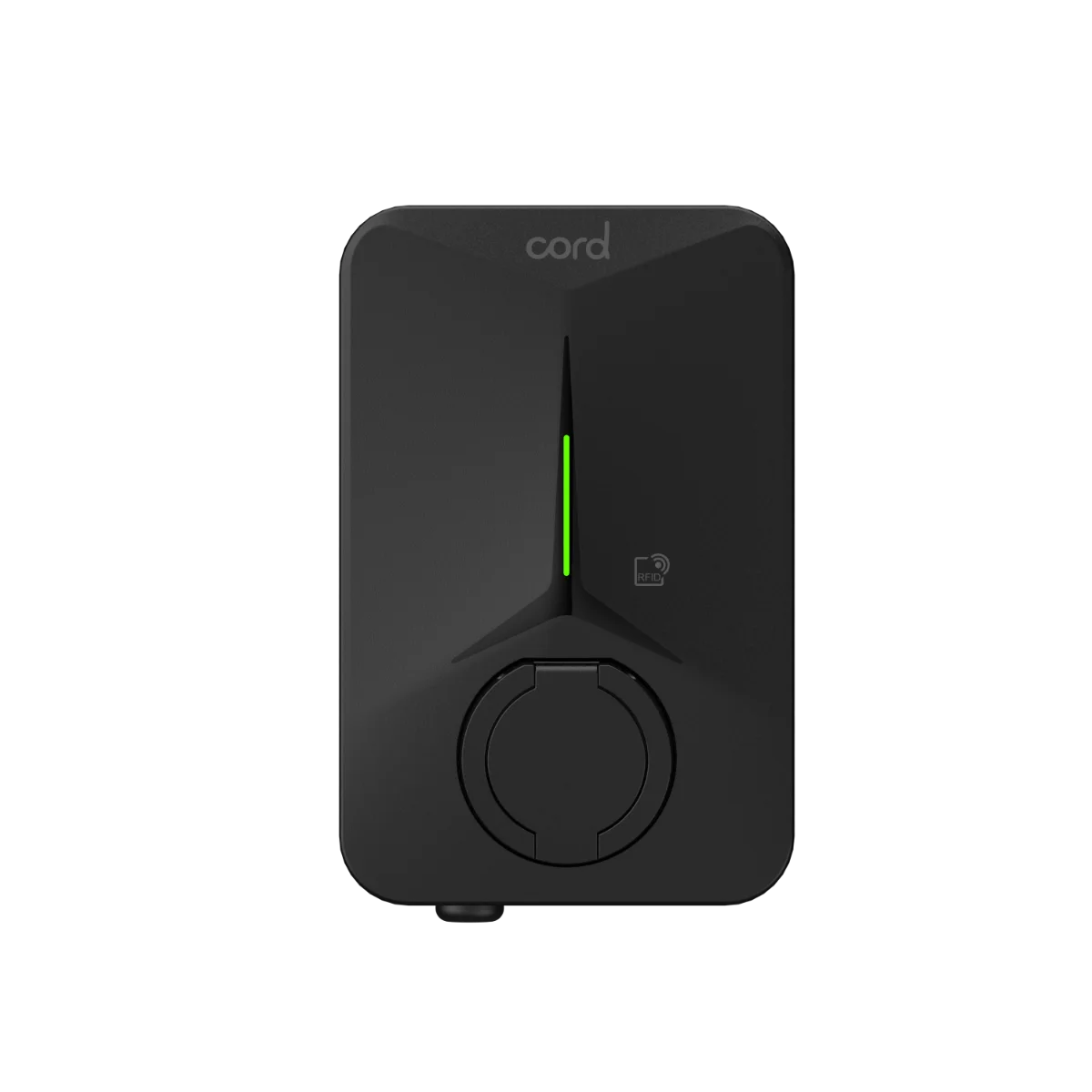
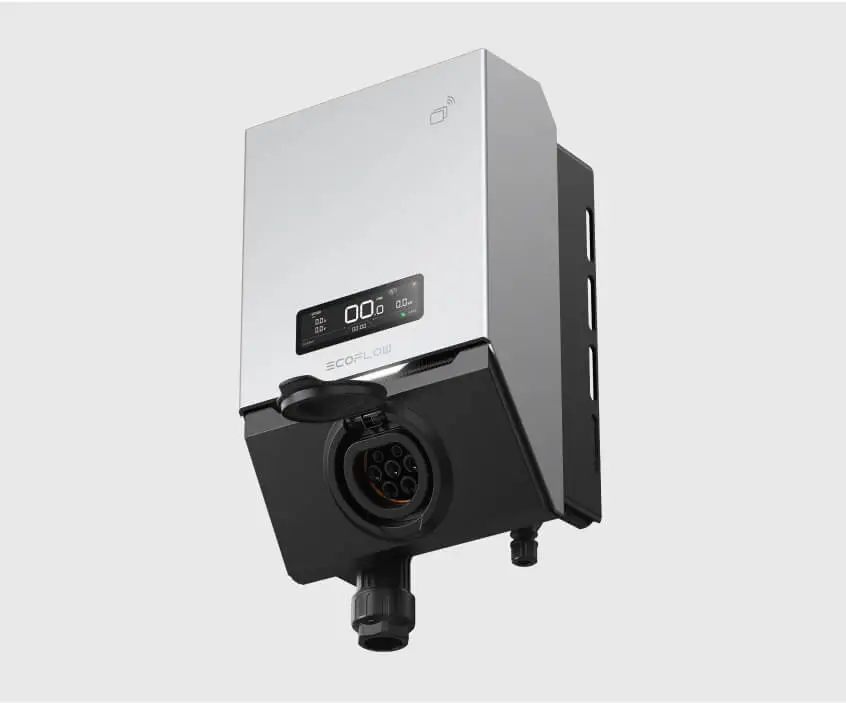
These two chargers sit within a tenner of each other on price, yet they are aimed at quite different buyers. The Cord Zero is a straightforward, well-connected smart charger that majors on reliability — its dual Wi-Fi plus 4G failover means it is arguably the most dependably online home charger you can buy. The EcoFlow PowerPulse 2, meanwhile, arrives from a brand best known for portable power stations and home batteries, and it shows: this charger is built to slot into a wider solar-and-storage ecosystem, with a dedicated Solar Mode and optional three-phase support that most rivals at this price simply do not offer.
If you are choosing between them, you are likely weighing up two questions. First: do I care more about rock-solid connectivity and broad tariff support, or about deep solar and battery integration? And second: am I comfortable buying from a newer entrant to the UK EV charging market, or do I want the reassurance of a charger with a more established install base?
In a nutshell:
- Cord Zero (£555): The most reliably connected charger at this price, with dual Wi-Fi and 4G failover, broad tariff compatibility, and a comprehensive built-in safety suite that can simplify installation.
- EcoFlow PowerPulse 2 (£545): A solar-and-storage-first charger with dedicated Solar Mode, three-phase capability up to 22kW, and seamless integration with EcoFlow's PowerOcean home battery ecosystem.
Spec Comparison
| Feature | Cord Zero | EcoFlow PowerPulse 2 |
|---|---|---|
| Price | £555 (tethered 5m) | £545 (untethered) |
| Max Power | 7.4kW (single-phase) | 7kW single-phase / 22kW three-phase |
| Cable | Tethered, 5m (8m for £625) | Untethered (tethered 5m also available) |
| Smart Tariffs | Octopus Go, OVO, British Gas, EDF & more | Smart Mode with dynamic tariff optimisation |
| Solar | Solar compatible | Dedicated Solar Mode (prioritises surplus solar) |
| Connectivity | Wi-Fi 2.4GHz + 4G (built-in multi-network SIM) | Wi-Fi |
| Warranty | 3 years (currently free upgrade to 5 years) | 3 years |
| IP Rating | IP54 + IK08 impact resistance | IP55 (IP54 without cable) |
| OZEV Approved | Yes | Not yet confirmed |
| Type | Tethered (Type 2) | Untethered (Type 2 socket) |
Smart Tariff Integration
Smart tariff support is where the Cord Zero pulls ahead for the typical UK driver. It explicitly lists compatibility with Octopus Go, OVO, British Gas, EDF, and more — covering the vast majority of the cheap overnight tariffs that make EV ownership so affordable. As teslacharger.co.uk notes, the difference between charging at a standard rate of around 28p/kWh and an off-peak EV tariff at roughly 7p/kWh can save you £800–1,000 a year. The Cord Zero's OCPP 1.6J compliance also means it should work with future tariff platforms as they emerge.
The EcoFlow PowerPulse 2 offers a "Smart Mode" for dynamic tariff optimisation, and it too is OCPP 1.6-J compliant. However, EcoFlow does not list specific UK tariff partnerships in the way Cord does. That does not mean it will not work with scheduled overnight charging on Octopus Go or similar — any charger with app-based scheduling can do that — but the depth of integration is less proven. If you are planning to pair your charger with Octopus Intelligent Go, which communicates directly with compatible chargers, you should verify EcoFlow's compatibility before committing. As evenergyhub.com points out, matching your charger to your energy ecosystem is where the real long-term value lies.
Solar and Energy Ecosystem
This is where the EcoFlow PowerPulse 2 genuinely shines. Its dedicated Solar Mode automatically prioritises surplus solar energy for charging your EV, and if you already own — or plan to buy — an EcoFlow PowerOcean home battery, you get a single-app experience managing solar generation, home battery storage, and EV charging together. That kind of joined-up energy management is something only the Myenergi Zappi and GivEnergy charger can rival, as teslacharger.co.uk highlights in its coverage of battery-to-EV charging strategies.
The Cord Zero is listed as "solar compatible," but it lacks a dedicated solar divert mode with the kind of granular control the EcoFlow offers. If you have solar panels and want your charger to intelligently soak up excess generation rather than exporting it to the grid at a pittance, the PowerPulse 2 is the stronger choice here. For homes without solar panels, this advantage is irrelevant — but it is worth considering if panels are on your roadmap, since a charger is typically a 5–10 year purchase.
App and Connectivity
Connectivity is the Cord Zero's party piece. Its dual Wi-Fi plus built-in 4G with automatic failover is, as renewablesexcellence.co.uk reminds us, a genuinely important feature — a charger that loses its internet connection cannot respond to smart tariff signals, cannot be controlled remotely, and cannot report energy usage. If your charger is mounted on a detached garage or at the far end of a long driveway where Wi-Fi is patchy, the Cord Zero's 4G backup is a real, practical advantage. The built-in multi-network SIM means you do not need to worry about which mobile network has the best signal at your property.
The EcoFlow PowerPulse 2 relies on Wi-Fi alone. It does, however, have a built-in LCD display that shows charging status without needing to open the app — a small but welcome touch when you just want to glance at progress on your way past the car. The EcoFlow app itself manages the broader ecosystem well if you are already invested in their products, but as a standalone EV charging app, it is less proven in the UK market than more established alternatives. The Cord AI app, while described as functional but basic compared to the likes of Ohme or Tesla, at least has a growing UK user base providing real-world feedback.
Build Quality and Installation
Both chargers are compact and well-weatherproofed for UK conditions. The Cord Zero's IP54 rating is supplemented by IK08 impact resistance — handy if your charger is mounted where it might catch a stray football or a carelessly opened car door. The EcoFlow edges ahead slightly on water ingress protection with IP55 when the cable is connected, and it is noticeably lighter at around 3.5kg versus the Cord Zero's 5kg.
One significant practical difference: the Cord Zero's comprehensive built-in safety suite — including RCD, PEN fault detection, and surge and overvoltage protection — can reduce installation costs. Some chargers without these features require additional protective devices to be fitted in your consumer unit, adding £50–150 to the install bill. Cord also claims a fast installation turnaround of typically within two weeks of ordering.
The EcoFlow's OZEV approval status is not yet confirmed, which is worth checking before purchase if you are a renter or flat owner eligible for the £500 grant. The Cord Zero is fully OZEV approved.
Price and Value
| Cost | Cord Zero | EcoFlow PowerPulse 2 |
|---|---|---|
| Unit price | £555 (tethered 5m) | £545 (untethered) |
| Installation estimate | £400–500 | £400–600 |
| Total installed cost | £955–1,055 | £945–1,145 |
| After OZEV grant (if eligible) | £455–555 | Not yet confirmed |
On paper, these two are remarkably close on price. The Cord Zero's built-in safety features may shave a little off installation costs, and its confirmed OZEV approval gives eligible buyers a clear route to the £500 grant. The current promotional upgrade from a 3-year to a 5-year warranty also adds meaningful value — though it is worth noting this offer may not last indefinitely.
The EcoFlow PowerPulse 2 offers arguably more hardware for the money, with three-phase capability up to 22kW and a dedicated Solar Mode included at a slightly lower unit price. However, the three-phase advantage is academic for the vast majority of UK homes, which run on single-phase supplies. Where the EcoFlow really earns its keep is in homes already running EcoFlow solar and battery products — the ecosystem savings from unified energy management could dwarf the charger's purchase price over its lifetime.
Who Should Buy Which?
Buy the Cord Zero if:
- You need bulletproof connectivity — especially if your charger will be far from your router
- You want broad, proven UK tariff compatibility out of the box
- You value a comprehensive built-in safety suite that can reduce installation costs
- You want confirmed OZEV grant eligibility
- You prefer a tethered charger for grab-and-go convenience
Buy the EcoFlow PowerPulse 2 if:
- You already own or plan to buy EcoFlow solar panels or a PowerOcean battery
- You have solar panels and want a dedicated Solar Mode to maximise self-consumption
- You have (or plan to install) a three-phase supply and want up to 22kW charging
- You prefer an untethered charger for a tidier wall-mounted look
- You want a built-in LCD display for at-a-glance charging status
Our recommendation: For the typical UK homeowner on a single-phase supply who wants a reliable, well-connected smart charger that works seamlessly with popular EV tariffs, the Cord Zero is the safer, more practical choice — particularly with its current 5-year warranty promotion and confirmed OZEV approval. But if you are building a home energy ecosystem around EcoFlow products, or if you have solar panels and want a charger purpose-built to exploit surplus generation, the PowerPulse 2 offers a level of energy integration that the Cord Zero simply cannot match. Just confirm OZEV eligibility and check your tariff compatibility before committing.
Read our full Cord Zero review or EcoFlow PowerPulse 2 review.
We’ll handle the installation
We’ll match you with vetted UK electricians — up to 3 free quotes, no obligation.