VCHRGD Seven Pro vs Rolec EVO: Feature-Packed Value Showdown
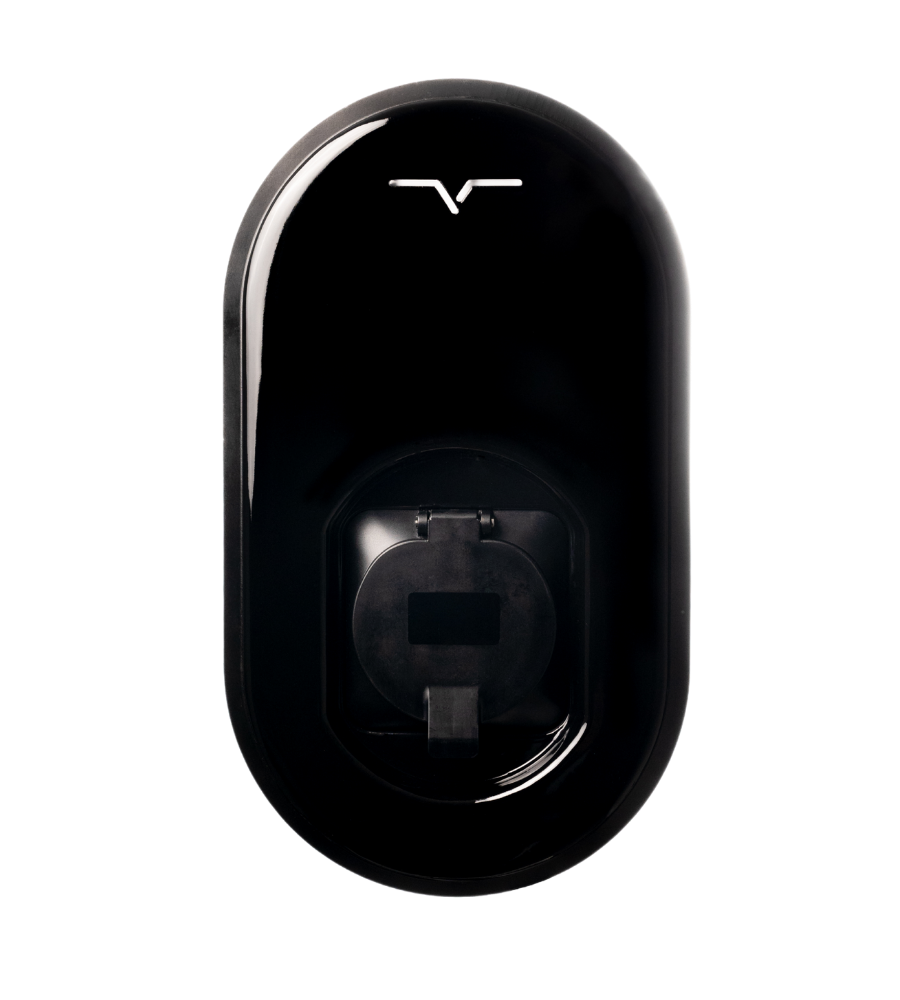
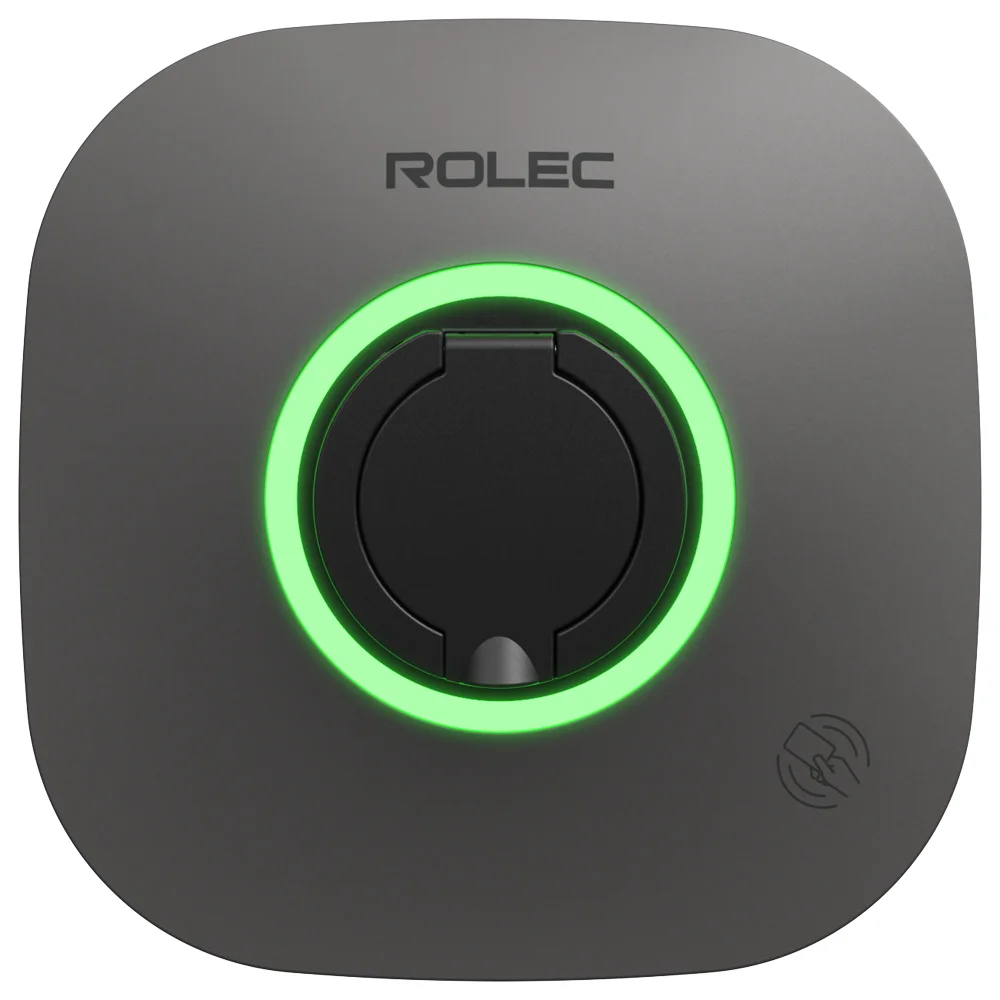
Two Feature-Loaded Chargers, One Tight Budget — Which Wins?
If you have been shopping for a smart home EV charger in 2025 and set yourself a budget of around £450, you will almost certainly have landed on these two units. The VCHRGD Seven Pro and the Rolec EVO both pack a feature list that would have cost you north of £600 just a couple of years ago — solar integration, dynamic load balancing, RFID access, and OCPP compliance all come as standard on both. They are so closely matched on paper that choosing between them can feel like splitting hairs.
But there are meaningful differences here, and they come down to what kind of EV owner you are. One gives you a tethered cable and a longer reach; the other gives you a longer warranty and built-in electrical protections that could shave a chunk off your installation bill. Let us dig in.
In a nutshell:
- VCHRGD Seven Pro (£432): The most features per pound on the market, with a 7.5-metre tethered cable, two solar modes, and RFID — all for under £450.
- Rolec EVO (£449): A UK-built charger with a class-leading 5-year warranty, built-in PEN fault detection, and Wi-Fi 6 connectivity from an established manufacturer.
Spec Comparison
| Feature | VCHRGD Seven Pro | Rolec EVO |
|---|---|---|
| Price | £432 (tethered 7.5m) / £395 (untethered) | £449 (untethered only) |
| Power Output | 7.4kW (single-phase) | 7.4kW (single-phase) |
| Cable | 7.5m tethered or untethered | Untethered only (use own cable) |
| Smart Tariffs | Octopus Intelligent Go + others | Yes (via app scheduling) |
| Solar Modes | Solar Export + Solar Only | Eco + Eco+ |
| Connectivity | Wi-Fi, Bluetooth (optional 4G) | Wi-Fi 6, Bluetooth 5.0, Ethernet |
| RFID | Yes (2 cards included) | Yes (2 cards included) |
| OCPP | 1.6J | 1.6J |
| Warranty | 3 years | 5 years |
| IP / IK Rating | IP54 + IK10 | IP54 + IK10 |
| Dimensions | 300 × 180 × 90mm | 260 × 260 × 112mm |
| Weight | ~4 kg (tethered) | 3 kg |
| Built-in PEN Protection | Not specified | Yes |
| Built-in RCD | Not specified | Type A + 6mA DC |
Smart Tariff Integration and Scheduling
Both chargers support scheduled charging through their respective apps, which is the baseline requirement for taking advantage of cheap overnight electricity. On a tariff like Octopus Go (7.5p/kWh between 00:30 and 04:30), scheduling alone can save a typical Tesla Model 3 driver around £500–£600 a year compared with daytime rates.
Where the VCHRGD Seven Pro pulls slightly ahead is its explicit integration with Octopus Intelligent Go, which extends the off-peak window to six hours and can automatically shift charging sessions to the cheapest slots — potentially dropping your cost to around 7p/kWh. As wepoweryourcar.com notes, you may need a compatible EV (such as a Tesla) to access Intelligent Go, so do check eligibility before banking on that tariff. The Rolec EVO supports smart tariff scheduling through its own app, but the data does not confirm the same level of direct Intelligent Octopus integration — so if that specific tariff is your priority, the VCHRGD has the edge.
Solar Integration
This is where both chargers genuinely shine at this price point. Having solar diversion built in — with a CT clamp included in the box — means you can route surplus solar generation straight into your car rather than exporting it to the grid for a pittance.
The VCHRGD Seven Pro offers two modes: Solar Export, which blends solar and grid power to maintain a steady charge rate, and Solar Only, which charges exclusively from surplus solar generation. The Rolec EVO mirrors this with its Eco and Eco+ modes, which function in a very similar fashion. In practice, both will help you make the most of a typical 4kW domestic solar array, and the included CT clamp on each unit saves you the £30–£50 that some competitors charge as an extra.
For solar households, either charger is an excellent choice — the functionality is effectively identical, and neither requires a third-party solar diverter.
Connectivity and App Experience
On raw connectivity specs, the Rolec EVO wins. Wi-Fi 6, Bluetooth 5.0, and a hardwired Ethernet port give you three solid connection options — the Ethernet fallback is particularly handy if your charger sits in a garage with poor Wi-Fi signal. The VCHRGD Seven Pro offers Wi-Fi and Bluetooth as standard, with optional 4G cellular as an upgrade, which is a useful fallback but presumably comes at additional cost.
The app story is more nuanced. The VCHRGD Seven Pro uses the Powerverse app with its Raya AI assistant, which is a third-party platform rather than a proprietary VCHRGD app. As electriccarguide.co.uk noted in their review of the original VCHRGD Seven, the app experience scores highly for intuitiveness and smart features. However, relying on a third-party platform does introduce a long-term dependency — if the Powerverse partnership changes, so could your app experience. The Rolec EVO uses its own Rolec EVO app, which keeps things in-house but is still maturing as a newer product. Neither app is perfect, but both cover the essentials: scheduling, energy monitoring, and solar management.
Both chargers support OCPP 1.6J, which means you can connect either to third-party energy management platforms if you outgrow the native app — a genuine future-proofing advantage that cheaper chargers often lack.
Build Quality, Design, and Installation
Both units share the same IP54 weatherproofing and IK10 impact resistance rating — the highest on the IK scale — so neither will flinch at a stray football or a harsh British winter. The VCHRGD Seven Pro is the slimmer of the two at just 90mm deep, making it notably compact on the wall. As vchrgd.com highlights, the Seven Pro is 40% smaller than its predecessor, with a two-tone matte and glossy black finish. The Rolec EVO is squarer in profile (260 × 260mm) but lighter at 3 kg. Both are only available in black.
The big installation difference is built-in PEN fault detection on the Rolec EVO. UK regulations require PEN fault protection for EV chargers, and if your charger does not include it, your installer will need to fit a separate device or install an earth rod — typically adding £100–£200 to your installation bill. The Rolec EVO also includes a built-in Type A RCD with 6mA DC leakage detection, which can further reduce the components your installer needs to add to the consumer unit. This is a genuine cost saving that narrows — or even reverses — the headline price gap between the two chargers.
The VCHRGD Seven Pro, meanwhile, offers a cable lock on the tethered version, which is a practical security feature if your charger faces a public path or shared driveway.
Price and Value
| Cost Element | VCHRGD Seven Pro (tethered) | Rolec EVO (untethered) |
|---|---|---|
| Unit price | £432 | £449 |
| Typical installation | £400–£600 | £400–£600 |
| Total installed (est.) | £832–£1,032 | £849–£1,049 |
| After OZEV grant (if eligible) | £332–£532 | £349–£549 |
On sticker price, the VCHRGD Seven Pro is £17 cheaper and includes a 7.5-metre tethered cable — a genuine convenience saving, since a decent Type 2 cable costs £80–£150 if you buy one separately for the untethered Rolec. However, the Rolec EVO's built-in PEN fault detection could save you £100–£200 on installation, which potentially makes it the cheaper option once fully installed.
Both chargers are OZEV-approved, so eligible renters and flat owners can claim up to £500 off the installed cost.
Who Should Buy Which?
Buy the VCHRGD Seven Pro if:
- You want a tethered charger with a generous 7.5-metre cable for plug-and-go convenience
- Smart tariff integration with Octopus Intelligent Go is a priority
- You value having an RFID card plus a cable lock for shared driveways or security
- You want the lowest possible unit price and are comfortable with a newer brand
- Optional 4G connectivity appeals as a Wi-Fi fallback
Buy the Rolec EVO if:
- You prefer the reassurance of a 5-year warranty from an established UK manufacturer
- Built-in PEN fault detection matters — it could save you £100–£200 on installation
- You want Wi-Fi 6 and a hardwired Ethernet option for rock-solid connectivity
- You already own a Type 2 cable or prefer the flexibility of an untethered socket
- Long-term brand stability and UK-based manufacturing give you confidence
Our recommendation: These two chargers are remarkably close, but for the typical UK homeowner installing their first EV charger, we would give the Rolec EVO a narrow edge. The 5-year warranty is two years longer than the VCHRGD's, the built-in PEN fault detection can meaningfully reduce your installation bill, and Rolec's decade-plus track record in UK EV charging provides reassurance that the newer VCHRGD cannot quite match yet. That said, if you specifically want a tethered charger or need confirmed Octopus Intelligent Go integration, the VCHRGD Seven Pro offers extraordinary value and should absolutely be on your shortlist. At this price point, neither choice is wrong.
For the full specs-level breakdown, see our VCHRGD Seven Pro vs Rolec EVO comparison page.
Read our full VCHRGD Seven Pro review or Rolec EVO review.
For total installed cost rankings, see our cheapest EV charger guide.
We’ll handle the installation
We’ll match you with vetted UK electricians — up to 3 free quotes, no obligation.