Tesla Wall Connector (Gen 3) vs Ohme ePod: Seamless Integration or Smarter Savings?
The Brand Loyalist vs the Tariff Optimizer
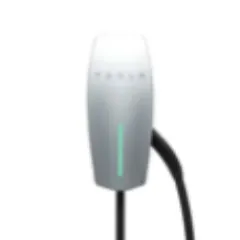
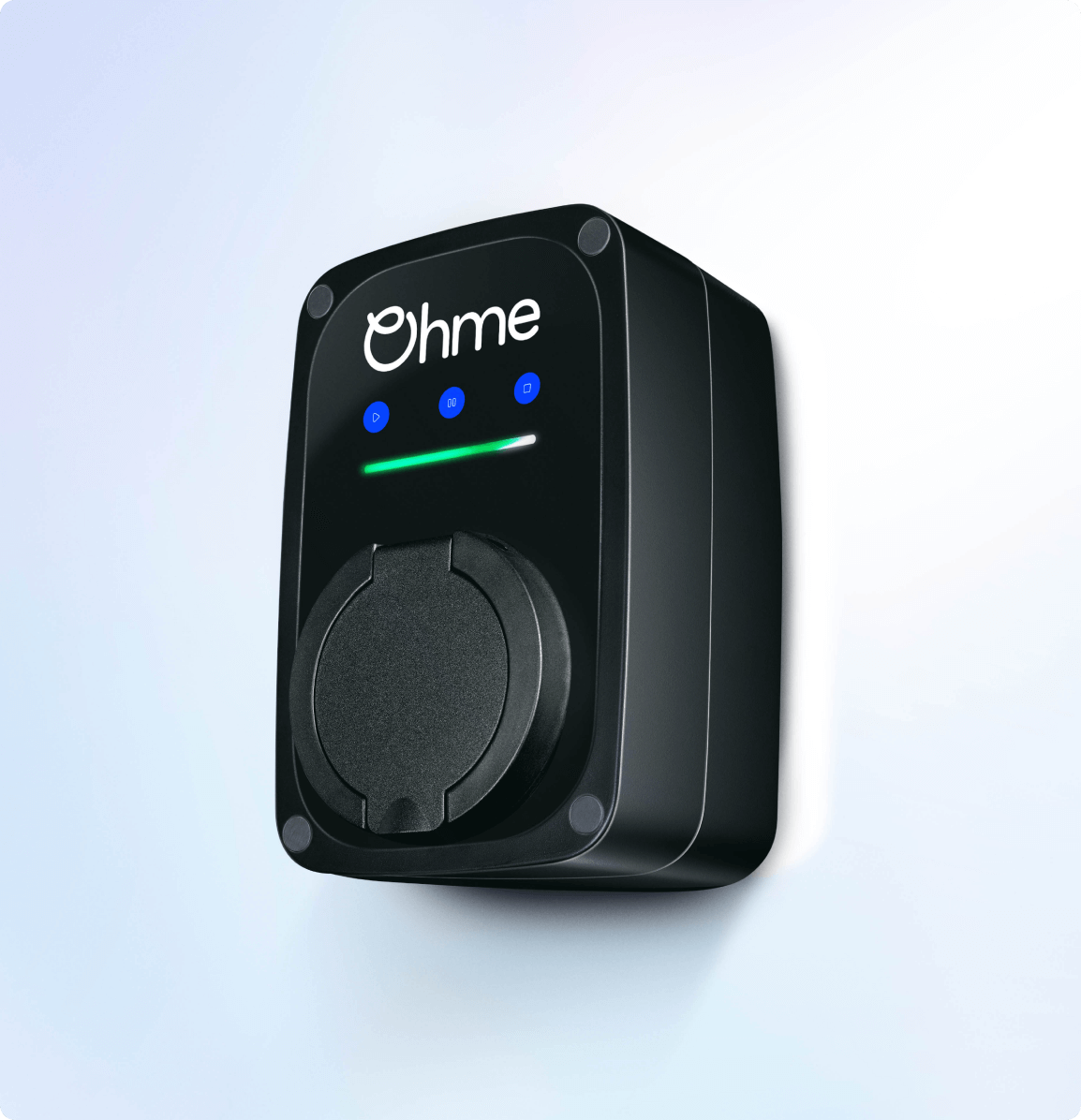
These two chargers sit at a similar price point and share the same 4.7-star rating, yet they could hardly be more different in philosophy. The Tesla Wall Connector (Gen 3) is a premium, tethered unit built to deliver the slickest possible experience for Tesla owners — plug in, forget about it, and manage everything through the Tesla app you already know. The Ohme ePod, on the other hand, is a tiny, untethered smart charger laser-focused on one mission: paying the absolute least for every kilowatt-hour that enters your battery.
If you are a Tesla driver who values a polished, integrated ecosystem and the option of three-phase charging down the line, the Wall Connector is the obvious starting point. But if you are on Octopus Intelligent Go, Agile, or another smart tariff — and you want your charger to exploit every cheap half-hour slot automatically — the Ohme ePod deserves serious consideration, regardless of what badge sits on your bonnet.
In a nutshell:
- Tesla Wall Connector (Gen 3) (£425): The official Tesla charger with seamless app integration, a generous 7.3 m tethered cable, and future-proof three-phase support up to 22 kW.
- Ohme ePod (£409): The UK's smallest smart charger with industry-leading tariff integration, built-in 4G connectivity, and solar-compatible charging modes — all for under £410.
Spec Comparison
| Feature | Tesla Wall Connector (Gen 3) | Ohme ePod |
|---|---|---|
| Price (unit only) | £425 | £409 |
| Max Power | 7.4 kW (single-phase) / 22 kW (three-phase) | 7.4 kW (single-phase only) |
| Type | Tethered (Type 2, 7.3 m cable) | Untethered (Type 2 socket — cable not included) |
| Smart tariff integration | No native support — manual scheduling only | Octopus Intelligent Go, Agile, OVO, British Gas |
| Solar support | No (requires additional hardware) | Solar Boost and Solar Only modes via CT clamp |
| Connectivity | Wi-Fi | Built-in 3G/4G SIM (no Wi-Fi) |
| Warranty | 4 years | 3 years |
| IP rating | IP44 | IP54 |
| Weight | 5.3 kg | 1.48 kg |
| Dimensions | 353 × 152 × 124 mm | 230 × 140 × 100 mm |
| OZEV approved | No | Yes |
Smart Tariff Integration
This is where the Ohme ePod genuinely shines — and where the Tesla Wall Connector falls short. The ePod connects directly to tariffs like Octopus Intelligent Go (around 7p/kWh off-peak), Octopus Agile, OVO Smart Charge, and British Gas Electric Driver. Set your "Ready By" time in the Ohme app, and the charger automatically shifts your sessions into the cheapest slots. On Agile, it can even react to volatile 30-minute pricing windows in real time, pausing if prices spike and resuming when they drop — all without you lifting a finger viablepower.co.uk.
The Tesla Wall Connector offers scheduled charging through the Tesla app, but there is no native tariff integration. You can set a timer to charge between, say, 00:30 and 04:30 to catch the Octopus Go off-peak window, but the charger has no awareness of what electricity actually costs at any given moment. If you are on a flat off-peak tariff like standard Octopus Go, manual scheduling works perfectly well. But if you want the dynamic, penny-pinching optimisation of Agile or Intelligent Go, the Ohme is in a different league. Over a year of typical UK mileage (around 7,400 miles), the difference between a flat standard rate and an optimised smart tariff can easily amount to £150–£250 in savings tinyeco.com.
Solar Diversion and Energy Flexibility
The Ohme ePod supports Solar Boost and Solar Only modes when paired with a CT clamp on your consumer unit. Solar Only mode ensures your EV charges exclusively from surplus solar generation, while Solar Boost tops up from the grid if your panels are not producing enough. For households with an existing solar PV array, this is a meaningful feature that can further reduce running costs in the summer months.
The Tesla Wall Connector has no built-in solar diverting capability. You would need additional hardware — such as a Tesla Powerwall or a third-party energy management system — to achieve anything similar. If solar self-consumption is a priority, this is a clear win for the Ohme.
Power, Charging Speed and Cable Considerations
On a standard UK single-phase supply, both chargers top out at 7.4 kW, which will add roughly 25–30 miles of range per hour and fully charge a typical 60 kWh EV battery in about 8.5 hours overnight. For the vast majority of UK homes, that is more than sufficient electriccarguide.co.uk.
However, the Tesla Wall Connector supports up to 22 kW on a three-phase supply, slashing a full charge to around 2.7 hours. Three-phase is rare in UK residential properties — fewer than 5% of homes have it — but if you are building a new-build, renovating, or happen to have three-phase already, this is significant future-proofing that the Ohme simply cannot match.
The tethered versus untethered question is also worth weighing up. The Tesla comes with a 7.3-metre Type 2 cable permanently attached — just grab and plug in, rain or shine. The Ohme ePod is untethered, meaning you will need to buy a separate Type 2 cable (typically £100–£200) and carry it with you or leave it coiled by the charger. The upside is flexibility: you can use the same cable for destination charging away from home, and an untethered socket looks neater on the wall. It is worth noting, though, that the real-world output of the ePod is approximately 7 kW rather than the headline 7.4 kW.
App, Connectivity and Reliability
The Tesla Wall Connector relies on Wi-Fi, which is fine if your router reaches your driveway but can be problematic if your charger is mounted on a detached garage or at the far end of the house. If your signal is weak, you may need a Wi-Fi extender.
The Ohme ePod sidesteps this entirely with a built-in multi-network 3G/4G SIM. It works straight out of the box with no dependence on your home broadband. This is a genuine advantage for rural properties or anywhere with patchy Wi-Fi coverage viablepower.co.uk. The trade-off is that there is no Wi-Fi fallback — if cellular coverage is poor in your area, you could have connectivity issues, though this is rare with a multi-network SIM.
Both chargers receive over-the-air updates, so new features can arrive without an engineer visit. The Tesla app experience is superb for Tesla owners — charging history, live status, and notifications are all woven into the same interface you use for your car. Non-Tesla EV owners will find the Ohme app more feature-rich, since the Tesla app's charger controls are really designed around the Tesla ecosystem electriccarguide.co.uk.
Price and Value
| Cost | Tesla Wall Connector | Ohme ePod |
|---|---|---|
| Unit price | £425 | £409 |
| Charging cable | Included (tethered) | £100–£200 extra |
| Typical installation | £400–£600 | £300–£600 |
| Total installed range | £825–£1,025 | £809–£1,209 |
| After OZEV grant (£500) | Not eligible | £309–£709 |
On paper, the Ohme ePod looks cheaper — and the unit itself is. The Tesla is not OZEV-approved, so grant-eligible buyers get a further advantage with the Ohme. But once you factor in a decent Type 2 cable for the ePod, the total cost before the grant can match or even exceed the Tesla. Where the Ohme claws back value is in ongoing running costs: automatic smart tariff optimisation and solar modes can save you hundreds of pounds per year, making it the cheaper option over a three-to-five-year ownership period for drivers on compatible tariffs.
The Tesla counters with a longer four-year warranty versus three years for the Ohme, and you get that tethered cable included from day one — no extra purchases required.
Who Should Buy Which?
Buy the Tesla Wall Connector (Gen 3) if:
- You drive a Tesla and want everything managed through one seamless app
- You value plug-and-charge convenience with a tethered 7.3 m cable
- You have (or plan to install) a three-phase supply and want 22 kW charging
- You want the longest warranty on the market at four years
- You run multiple EVs and could benefit from power sharing across up to six units
Buy the Ohme ePod if:
- You are on Octopus Intelligent Go, Agile, or another smart tariff and want automatic cost optimisation
- You have solar panels and want Solar Boost or Solar Only charging modes
- Your charger location has poor Wi-Fi but decent mobile signal
- You prefer a compact, discreet untethered socket on your wall
- You want dynamic load balancing included as standard
Our recommendation: For most UK EV owners who are already on — or willing to switch to — a smart energy tariff, the Ohme ePod delivers better long-term value. Its tariff integration alone can save enough over two to three years to pay for the charger itself. But if you are a Tesla owner who prizes a polished, zero-hassle experience, the Tesla Wall Connector remains the gold standard for ecosystem integration — and its three-phase capability and longer warranty give it an edge the Ohme cannot match on hardware alone.
For the full specs-level breakdown, see our Tesla Wall Connector (Gen 3) vs Ohme ePod comparison page.
Read our full Tesla Wall Connector (Gen 3) review or Ohme ePod review.
For smart tariff integration rankings, see our best smart EV charger guide.
We’ll handle the installation
We’ll match you with vetted UK electricians — up to 3 free quotes, no obligation.