Pod Point Solo 3S vs Indra Smart LUX: Hassle-Free vs Feature-Packed
The Hassle-Free Package vs the Feature-Packed Challenger
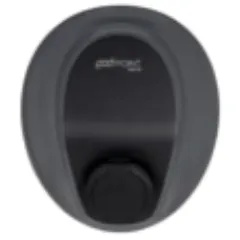
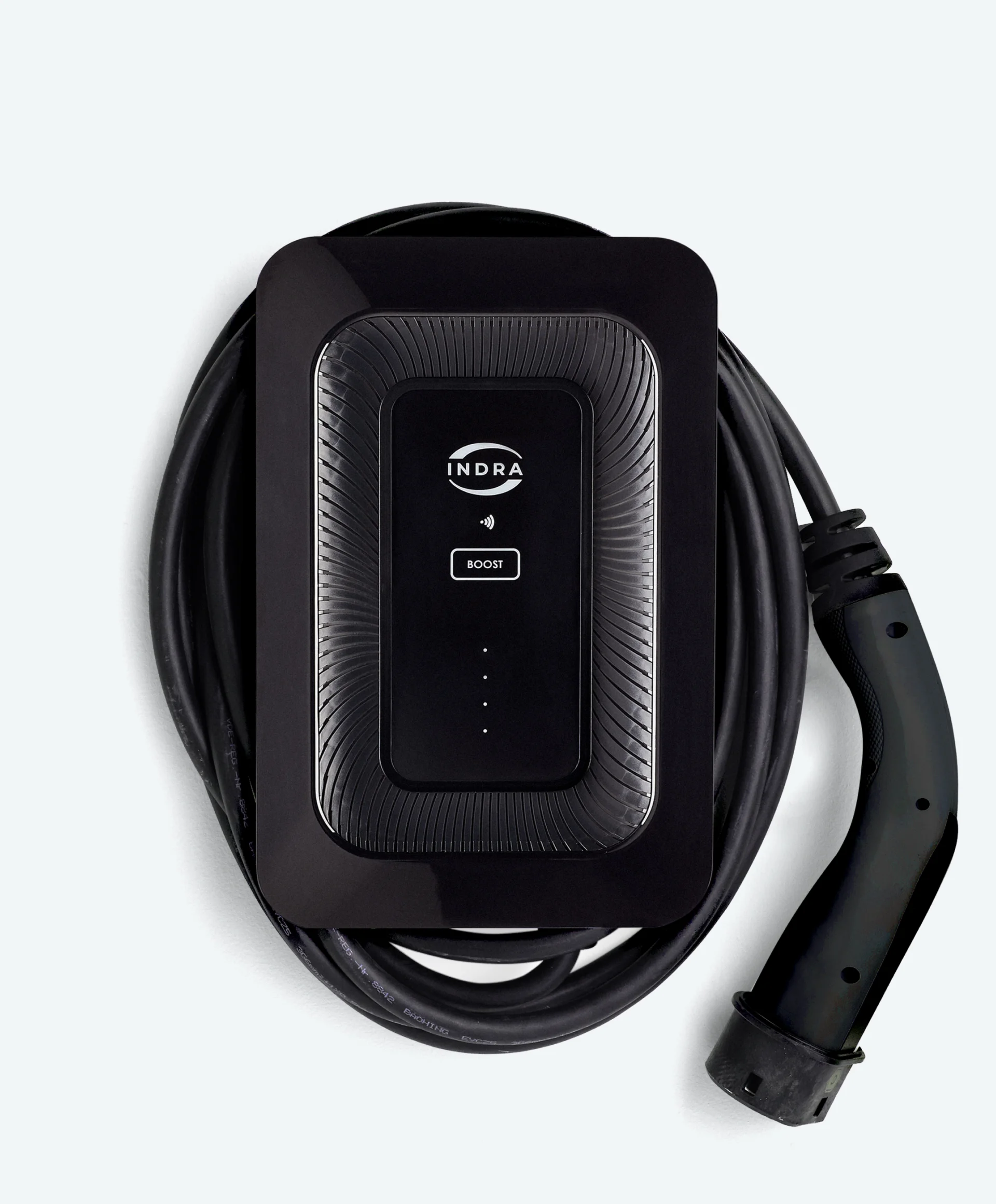
These two chargers represent fundamentally different philosophies about what a home EV charger should be. The Pod Point Solo 3S is the "just sort it for me" option — a £999 all-in package from one of the UK's most established charging brands, with installation included and a five-year warranty. The Indra Smart LUX, meanwhile, is the enthusiast's choice — a razor-slim, UK-manufactured unit packed with smart tariff integration, solar diversion, and the best weatherproofing ratings you'll find on any home charger.
If you're choosing between these two, you're likely weighing convenience against capability. The Pod Point appeals if you want a reputable brand to handle everything from purchase to installation with minimal fuss. The Indra appeals if you want granular control over your energy costs, already have solar panels (or plan to), and don't mind sourcing your own installer. Both deliver 7.4kW charging — the standard for UK single-phase homes — so the real differences lie in features, flexibility, and total cost of ownership.
In a nutshell:
- Pod Point Solo 3S (£999 installed): The turnkey package — charger, professional installation, and a five-year warranty in one price, from a brand with over 250,000 chargers deployed across the UK.
- Indra Smart LUX (from £615 supply-only): The smartest 7.4kW charger on the market, with integration across 1,000+ energy tariffs, solar PV diversion, and IP67 waterproofing in the slimmest profile available.
Spec Comparison
| Feature | Pod Point Solo 3S | Indra Smart LUX |
|---|---|---|
| Price | £999 installed | From £615 supply-only; from £1,075 installed |
| Power Output | 7.4kW (single-phase) | 7.4kW (single-phase) |
| Cable | 5m tethered or untethered | 6m tethered (10m available) |
| Smart Tariff Integration | No | Yes — 1,000+ tariffs including Octopus Agile |
| Solar Compatible | Yes (future-ready) | Yes — active solar PV diversion with CT clamp |
| Connectivity | Wi-Fi | Wi-Fi (Ethernet and 4G optional) |
| Warranty | 5 years | 3 years (extendable to 5 for £100) |
| IP Rating | IP54 | IP67 + IK10 |
| Type | Tethered or untethered | Tethered only |
| Weight | 3.5kg (untethered) / 6kg (tethered) | 3.6kg (6m cable) |
| Dimensions (depth) | 112mm (tethered) | 78mm |
Smart Tariff Integration
This is where the Indra Smart LUX pulls decisively ahead. It integrates with over 1,000 UK energy tariffs, including variable-rate tariffs like Octopus Agile, where electricity prices change every 30 minutes. That means the charger can automatically shift your charging to the cheapest slots overnight — or even pause charging during expensive peak periods — without you lifting a finger.
The Pod Point Solo 3S, by contrast, offers scheduled charging through the Pod Point app but lacks direct smart tariff integration. You can manually set charging windows to coincide with off-peak hours on tariffs like Octopus Go (7.5p/kWh between 00:30 and 04:30), but the charger won't dynamically respond to price signals the way the Indra does. Pod Point does advertise access to exclusive EV tariffs enabling driving costs "as little as 2.5p per mile," according to pod-point.com, but the charger itself doesn't optimise charging based on live tariff data.
For a typical UK driver covering 7,400 miles annually in a Tesla Model 3 (~3.5 miles per kWh), the difference between a flat off-peak rate and dynamic Agile optimisation could save an additional £30–60 per year. Over five years, that adds up — and it's a capability the Pod Point simply doesn't offer.
Solar Diversion
Both chargers claim solar compatibility, but there's a meaningful difference in what that means in practice. The Indra Smart LUX includes active solar PV diversion with a CT clamp as standard. This means it monitors your solar generation in real time and diverts surplus energy directly into your EV rather than exporting it back to the grid at a lower rate. If you're generating at 4kW and your house is only using 1kW, the Indra will feed the remaining 3kW into your car automatically.
The Pod Point Solo 3S is described as "solar compatible" and the app supports solar integration, as noted by electriccarguide.co.uk. However, the data doesn't indicate the same level of active surplus diversion that the Indra provides with its included CT clamp. If you already have solar panels — or plan to install them — the Indra's out-of-the-box solar diversion capability is a genuine advantage that could save you hundreds of pounds annually depending on your system size and driving habits.
Build Quality and Design
The Indra Smart LUX wins on pure specs here. At just 78mm deep, it's the slimmest tethered smart charger on the UK market — nearly a third slimmer than the Pod Point's 112mm tethered profile. If your charger sits on a narrow wall beside a pathway or in a tight garage, that difference matters.
More importantly, the Indra carries IP67 and IK10 ratings. IP67 means it's rated for temporary submersion in water — far beyond the IP54 splash-resistance of the Pod Point. The IK10 impact rating means it can withstand 20 joules of impact, equivalent to a 5kg weight dropped from 40cm. Both chargers will survive normal British weather without complaint, but if your charger is exposed to particularly harsh conditions — coastal salt spray, heavy rain runoff, or the occasional bump from a wheelie bin — the Indra offers substantially more protection.
The Pod Point Solo 3S does hold its own on build quality, though. topcharger.co.uk notes its polycarbonate housing provides excellent durability, and the IK10 impact rating matches the Indra's. Its distinctive oval design is clean and unobtrusive, and the option of an untethered version keeps things tidy if you prefer to store your cable separately.
Installation Considerations
The Pod Point Solo 3S includes standard installation in its £999 price — a genuine differentiator. Pod Point assigns a third-party installer from their network, and the process is endorsed by Which?, as highlighted by electriccarguide.co.uk. The trade-off is that you cannot choose your installer or vet their individual reviews. For many buyers, though, the simplicity of a single transaction covering everything is worth that compromise.
The Indra Smart LUX requires you to source your own OZEV-approved installer, with installation typically costing £300–500 on top of the unit price. This gives you the freedom to choose a local electrician you trust and compare quotes — but it also means more legwork on your part. On the plus side, the Indra includes built-in SPD (surge protection device) and PEN fault detection as standard, which can simplify the installation and reduce costs. Pod Point charges £100 extra for a surge protection device.
Price and Value
| Cost Element | Pod Point Solo 3S | Indra Smart LUX |
|---|---|---|
| Unit Price | £999 (installed) | From £615 (supply-only, 10m cable) |
| Installation | Included | £300–500 |
| Total Installed Cost | £999 (tethered: £1,049) | From £915–£1,115 |
| After OZEV Grant (if eligible) | From £499 | From £415–£615 |
| 5-Year Warranty | Included | +£100 |
At face value, the Pod Point looks like the simpler deal at £999 all-in. But when you factor in the Indra's included surge protection (saving £100 versus Pod Point's optional extra), its smart tariff savings potential, and the lower supply-only price, the Indra can work out cheaper — especially if your installation is straightforward and you're eligible for the OZEV grant. Adding the five-year warranty extension (£100) and a mid-range installation (£400) brings the Indra to roughly £1,115 with a 6m cable — comparable to the Pod Point tethered at £1,049 but with significantly more features.
The Pod Drive subscription option is also worth noting: £99 upfront plus £40/month for 36 months (totalling £1,539) gets you a lifetime warranty, included surge protection, and 7,500 miles of annual cashback worth £172.50 per year, as detailed by pod-point.com.
Who Should Buy Which?
Buy the Pod Point Solo 3S if:
- You want a single, all-inclusive price with no installation surprises
- You value brand reputation and a proven track record (250,000+ chargers installed)
- You prefer a five-year warranty included as standard without paying extra
- You want the option of an untethered charger for a cleaner wall-mounted look
- You'd rather not spend time sourcing and vetting your own installer
Buy the Indra Smart LUX if:
- You're on a variable smart tariff like Octopus Agile and want automatic cost optimisation
- You have solar panels and want active surplus diversion into your EV
- You need a charger that sits almost flush to the wall (78mm depth)
- You want the best possible weatherproofing (IP67) for an exposed installation
- You prefer to choose your own installer and potentially save on installation costs
Our recommendation: For most UK EV drivers who want to actively reduce their charging costs, the Indra Smart LUX is the stronger choice. Its smart tariff integration across 1,000+ tariffs and genuine solar diversion capabilities deliver ongoing savings that the Pod Point simply can't match. The IP67 rating and ultra-slim profile are bonuses that make it the more future-proof investment. However, if you want zero hassle and a trusted brand to handle everything end-to-end — and you're not fussed about squeezing every penny from a smart tariff — the Pod Point Solo 3S remains a thoroughly reliable, well-supported option with the best standard warranty in the business.
For the full specs-level breakdown, see our Pod Point Solo 3S vs Indra Smart LUX comparison page.
Read our full Pod Point Solo 3S review or Indra Smart LUX review.
We’ll handle the installation
We’ll match you with vetted UK electricians — up to 3 free quotes, no obligation.