Ohme ePod vs NexBlue Point 2: Proven Smart vs Future-Proofed Newcomer
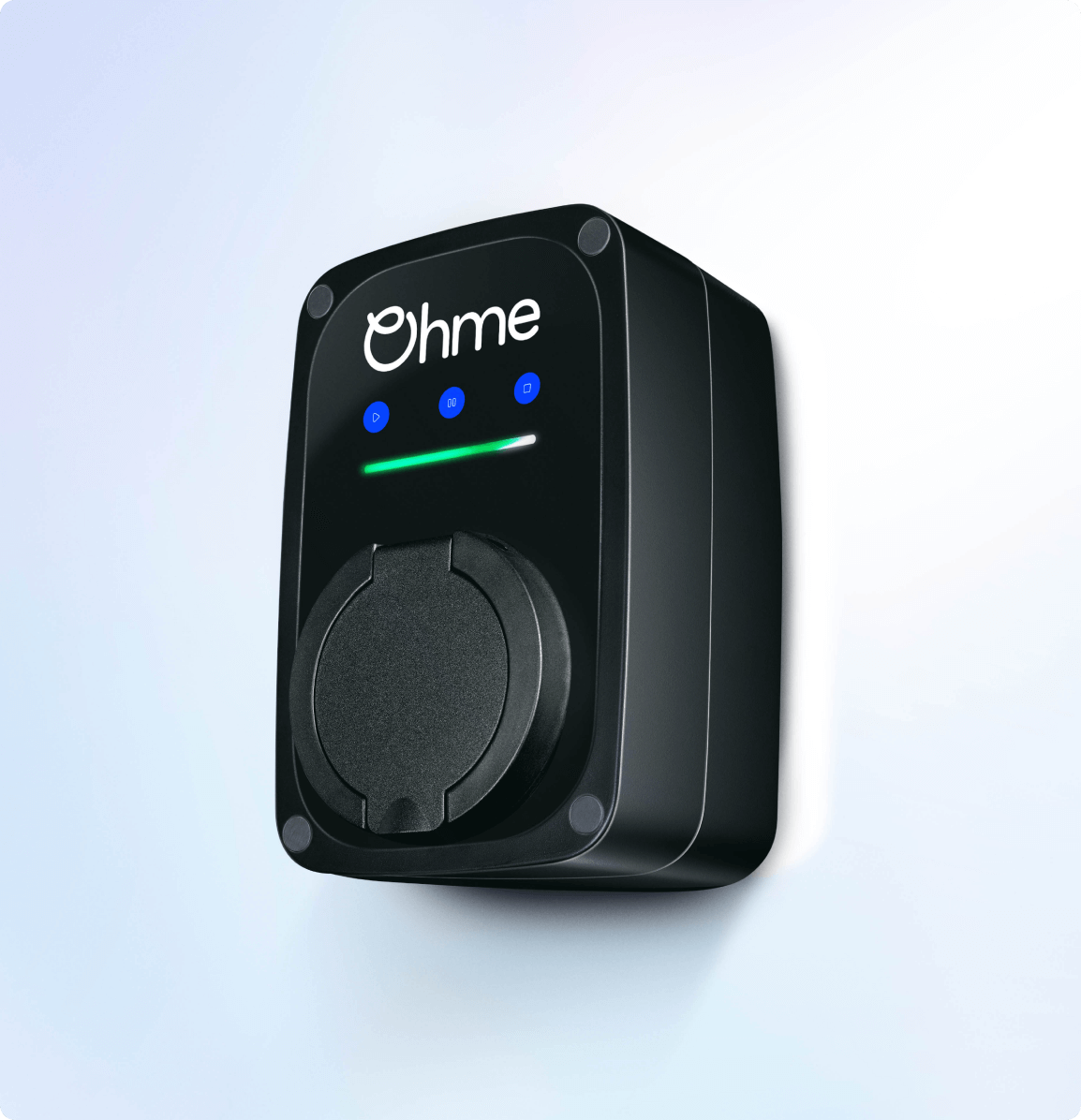
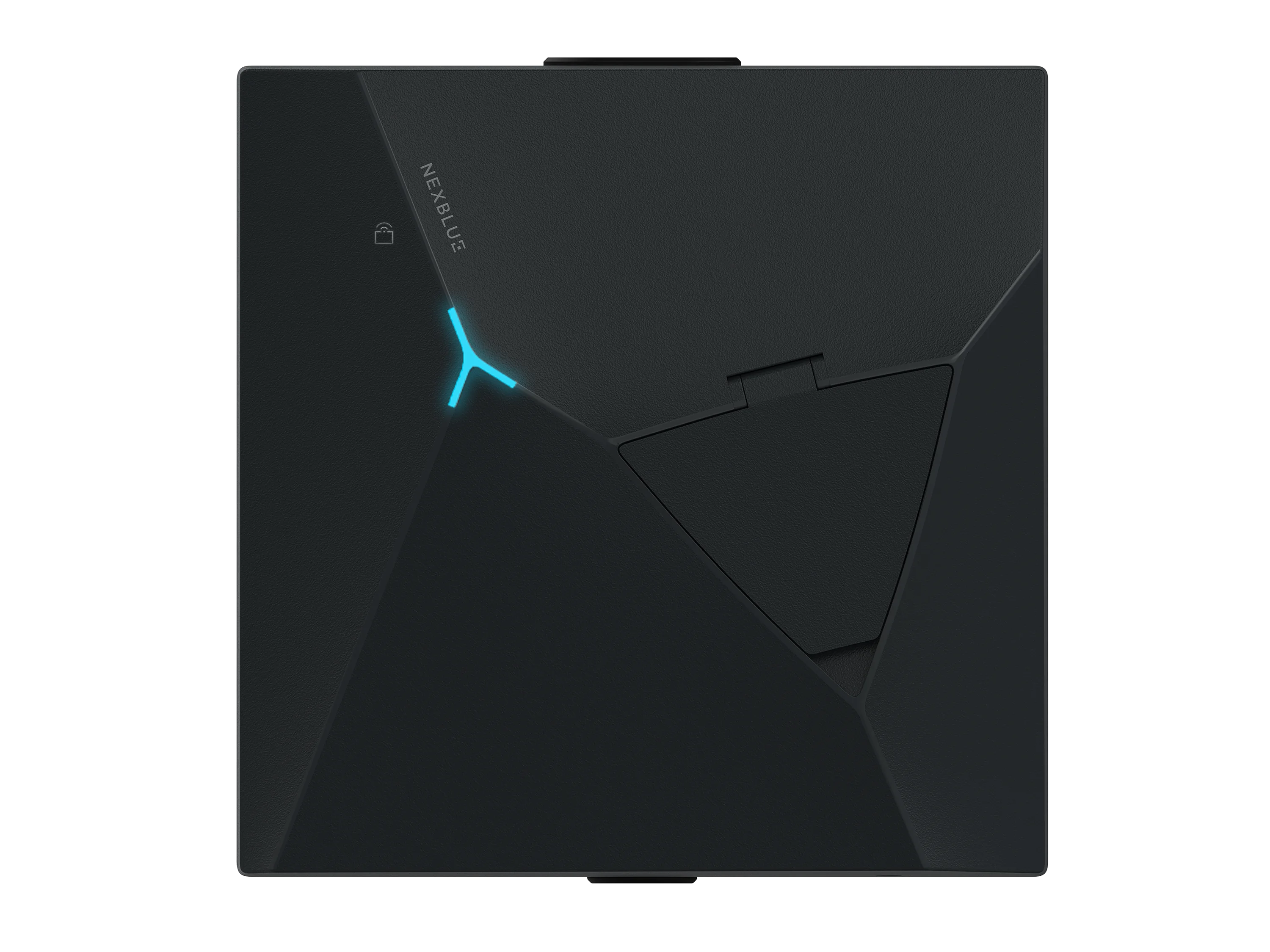
The Established Favourite vs the Future-Proofed Newcomer
Choosing between the Ohme ePod and the NexBlue Point 2 is really a question of philosophy: do you go with a proven platform from one of the UK's most popular smart charging brands, or do you bet on a newer contender that packs genuinely forward-looking technology — including V2G readiness — at a competitive price?
Both are compact, untethered 7.4kW smart chargers with built-in cellular connectivity and dynamic load balancing. Both integrate with smart energy tariffs to slash your charging costs. On paper, they look remarkably similar. But dig into the details and some meaningful differences emerge — in connectivity options, warranty length, future-proofing, and the maturity of each platform's ecosystem.
If you are weighing up these two chargers, you are almost certainly a savvy buyer who wants more than a dumb box on the wall. Let us help you work out which smart box deserves the spot.
In a nutshell:
- Ohme ePod (£409): The UK's most refined smart tariff integration in an ultra-compact, featherweight package — proven and trusted by thousands of drivers.
- NexBlue Point 2 (£530): A feature-packed newcomer offering V2G readiness, OCPP 2.0.1 compliance, and triple connectivity — arguably the most future-proofed home charger on the market.
Spec Comparison
| Feature | Ohme ePod | NexBlue Point 2 |
|---|---|---|
| Price (unit only) | £409 | £530–600 |
| Max Power | 7.4kW (single-phase) | 7.4kW (single-phase) |
| Cable | Untethered — cable not included | Untethered — cable not included |
| Smart Tariff Integration | Intelligent Octopus Go, Agile, OVO, British Gas | EcoPilot tariff integration |
| Solar Charging | Solar Boost & Solar Only modes (CT clamp) | Solar surplus via NexBlue Zen accessory |
| Connectivity | 3G/4G SIM (no Wi-Fi) | Wi-Fi, Bluetooth, and 4G eSIM (lifetime free) |
| V2G / ISO 15118 | No | Yes — V2G and Plug & Charge ready |
| OCPP | No | OCPP 1.6-J and 2.0.1 |
| Display | None (app only) | None (app only) |
| RFID / NFC | No | Yes |
| Warranty | 3 years | 5 years |
| IP Rating | IP54 | IP54 + IK10 |
| Weight | 1.48 kg | 2.1 kg |
| Dimensions | 230 × 140 × 100 mm | 235 × 230 × 107 mm |
Smart Tariff Integration
This is where the Ohme ePod has built its reputation — and rightly so. Ohme's tariff integration is widely regarded as the best in the UK market. It works natively with Octopus Intelligent Go (around 7p/kWh off-peak), Octopus Agile, Octopus Go, OVO Smart Charge, and British Gas Electric Driver. The "Ready By" scheduling feature lets you tell the app when you need the car ready, and it automatically finds the cheapest half-hour slots overnight to fill the battery. There is also a price cap setting, so you can set a maximum pence-per-kWh and the charger simply will not draw power above that threshold. For a typical driver covering 7,400 miles a year in a Tesla Model 3, charging on Intelligent Octopus Go rather than a standard variable tariff could save upwards of £400 annually — and the Ohme makes capturing those savings almost effortless.
The NexBlue Point 2 counters with its EcoPilot system, which also automates off-peak charging based on your tariff. However, the range of directly supported tariffs is not as well documented as Ohme's, and as a newer platform there are fewer real-world user reports confirming how seamlessly it handles the quirks of Agile's 30-minute pricing slots or Intelligent Go's extended off-peak windows. The OCPP 2.0.1 compliance does mean the Point 2 could theoretically integrate with a wider range of energy management platforms in the future, but right now, Ohme's ecosystem is more mature and battle-tested.
Edge: Ohme ePod — proven, broad tariff support with granular cost controls that thousands of UK drivers already rely on daily.
Solar Diversion
Both chargers offer solar surplus charging, but they take different approaches. The Ohme ePod includes Solar Boost and Solar Only modes activated via a CT clamp. Solar Boost tops up grid power with any solar surplus to maximise charge speed, while Solar Only mode ensures the car draws exclusively from your panels — ideal for maximising self-consumption and minimising grid costs during sunny months.
The NexBlue Point 2 supports solar surplus charging too, but requires the separate NexBlue Zen accessory. The CT clamp for dynamic load balancing is included in the box, which is a nice touch, but the solar-specific hardware is an additional purchase. Neither charger matches the Zappi's dedicated Eco+ mode for pure solar diversion sophistication, but for most households with a standard 3–4kW solar array, both will do a solid job of putting free sunshine into your battery.
Edge: Ohme ePod — solar modes are built into the platform without needing an extra accessory.
Connectivity and Future-Proofing
Here is where the NexBlue Point 2 genuinely stands apart. It offers triple connectivity — Wi-Fi, Bluetooth, and a 4G eSIM with a lifetime free data subscription. That means you have fallback options if your home broadband drops, and you can configure the charger via Bluetooth during initial setup without needing any network connection at all.
The Ohme ePod relies entirely on its built-in 3G/4G SIM with no Wi-Fi option. As electriccarguide.co.uk notes, the 4G connectivity means the ePod is always online, which is a genuine advantage over Wi-Fi-only chargers — but having no Wi-Fi at all means you are wholly dependent on cellular signal strength at your charging location.
The bigger story, though, is the NexBlue's ISO 15118 compliance and V2G (vehicle-to-grid) readiness. While V2G is not yet widely available to UK consumers, the regulatory and technical groundwork is accelerating. If your next car supports bi-directional charging — as several manufacturers have announced for 2026 and beyond — the Point 2 is hardware-ready without needing replacement. It also supports OCPP 1.6-J and 2.0.1, meaning it can integrate with third-party energy management systems and potentially participate in grid balancing services down the line. Add RFID and NFC activation, and you have a charger that could comfortably serve a shared parking scenario or future smart home energy hub.
Edge: NexBlue Point 2 — significantly more future-proofed, with V2G readiness and open-protocol support that the ePod simply cannot match.
Build Quality and Design
Both chargers are impressively compact and lightweight for what they do. The Ohme ePod is the lighter of the two at just 1.48 kg — making it the smallest smart charger on the UK market by a considerable margin. The NexBlue Point 2 is slightly larger and heavier at 2.1 kg, but still remarkably light. Its wider 235 × 230 mm face gives it a squarer profile compared to the ePod's slimmer rectangle.
Both carry an IP54 weatherproofing rating, suitable for sheltered outdoor or indoor installation. The NexBlue adds an IK10 impact resistance rating — the highest available — which means it can withstand significant knocks. If your charger is installed in a carport, near a driveway edge, or anywhere it might get bumped, that IK10 rating offers meaningful extra peace of mind.
Neither charger has an on-unit display; both are controlled entirely via their respective apps. The Ohme app is well-established and highly rated, as highlighted by mcnallyev.uk and viablepower.co.uk. The myNexBlue app is newer and has fewer user reviews to draw on.
Edge: Draw — the ePod wins on compactness, the Point 2 wins on impact resistance.
Price and Value
| Cost Element | Ohme ePod | NexBlue Point 2 |
|---|---|---|
| Unit price | £409 | £530–600 |
| Typical installation | £300–600 | £400–600 |
| Charging cable (needed) | £100–200 | £100–200 |
| Total installed range | £809–1,209 | £1,030–1,400 |
| After OZEV grant (if eligible) | £309–709 | £530–900 |
The Ohme ePod is the more affordable option by a clear margin — around £120–190 cheaper on the unit alone before you factor in installation. Both chargers require you to supply your own Type 2 cable (budget £100–200), and both include dynamic load balancing hardware as standard, so there are no hidden extras on that front. The NexBlue's solar feature does require the separate Zen accessory, adding further cost if you want full solar integration.
However, the NexBlue Point 2 counters with a 5-year warranty versus the ePod's 3 years. Over a five-year ownership period, that extra warranty coverage has real monetary value — a charger replacement or repair could easily cost £300+. The V2G readiness also represents potential future savings if grid balancing incentives materialise, though that remains speculative for now.
For buyers focused on minimising today's costs, the ePod is the clear winner. For those thinking five to ten years ahead, the Point 2's longer warranty and future-proofing tilt the value equation back towards parity.
Who Should Buy Which?
Buy the Ohme ePod if:
- You want the most proven smart tariff integration in the UK, with seamless Octopus Intelligent Go and Agile support
- Keeping upfront costs low is a priority — it is over £120 cheaper than the Point 2
- You already have solar panels and want built-in Solar Boost/Solar Only modes without extra accessories
- You value an ultra-compact, lightweight unit (1.48 kg) for a clean wall-mounted look
- You prefer a well-established brand with a large UK user community and extensive installer network
Buy the NexBlue Point 2 if:
- Future-proofing matters to you — V2G readiness and ISO 15118 Plug & Charge could save you replacing the charger in a few years
- You want triple connectivity (Wi-Fi, Bluetooth, and 4G) rather than relying solely on cellular
- A 5-year warranty gives you greater peace of mind than the ePod's 3 years
- You need OCPP compliance for integration with third-party energy management or commercial platforms
- You want RFID/NFC activation for shared or multi-user scenarios
Our recommendation: For most UK EV owners buying a charger today, the Ohme ePod is the safer, smarter choice. Its tariff integration is genuinely best-in-class, the app ecosystem is mature, and the price is hard to beat. However, if you are the sort of buyer who keeps a car for seven-plus years and wants your home charging infrastructure to grow with the technology, the NexBlue Point 2 makes a compelling case. Its V2G readiness and OCPP 2.0.1 support are not gimmicks — they are features that could become genuinely valuable within this charger's warranty period. Just go in with eyes open: NexBlue is a younger brand, and long-term reliability data is still limited.
For the full specs-level breakdown, see our Ohme ePod vs NexBlue Point 2 comparison page.
Read our full Ohme ePod review or NexBlue Point 2 review.
For smart tariff integration rankings, see our best smart EV charger guide.
We’ll handle the installation
We’ll match you with vetted UK electricians — up to 3 free quotes, no obligation.