Indra Smart LUX vs VCHRGD Seven Pro: Premium Build or Best Value?
Premium Build or Best Value? Two Smart Chargers, Very Different Philosophies
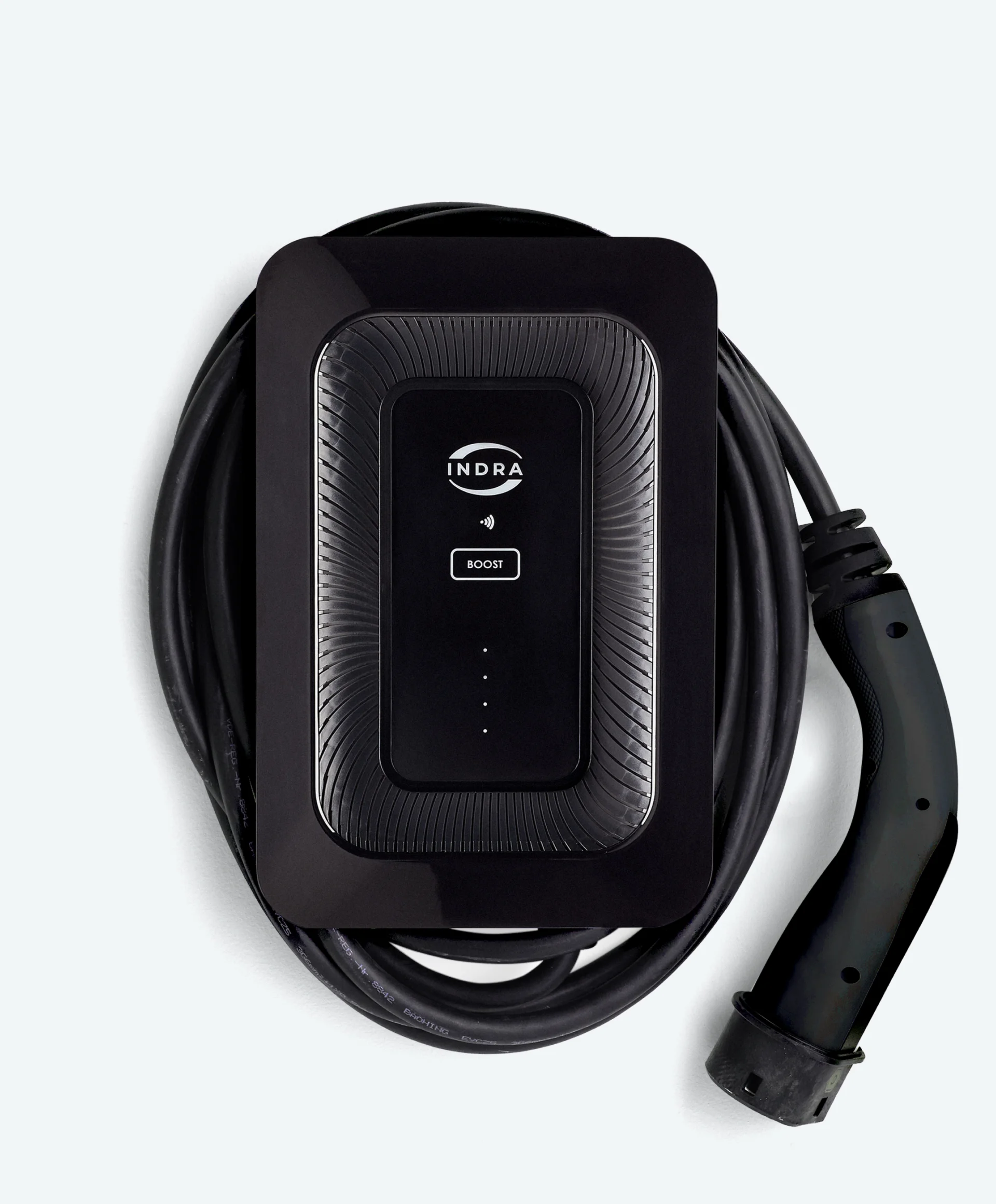
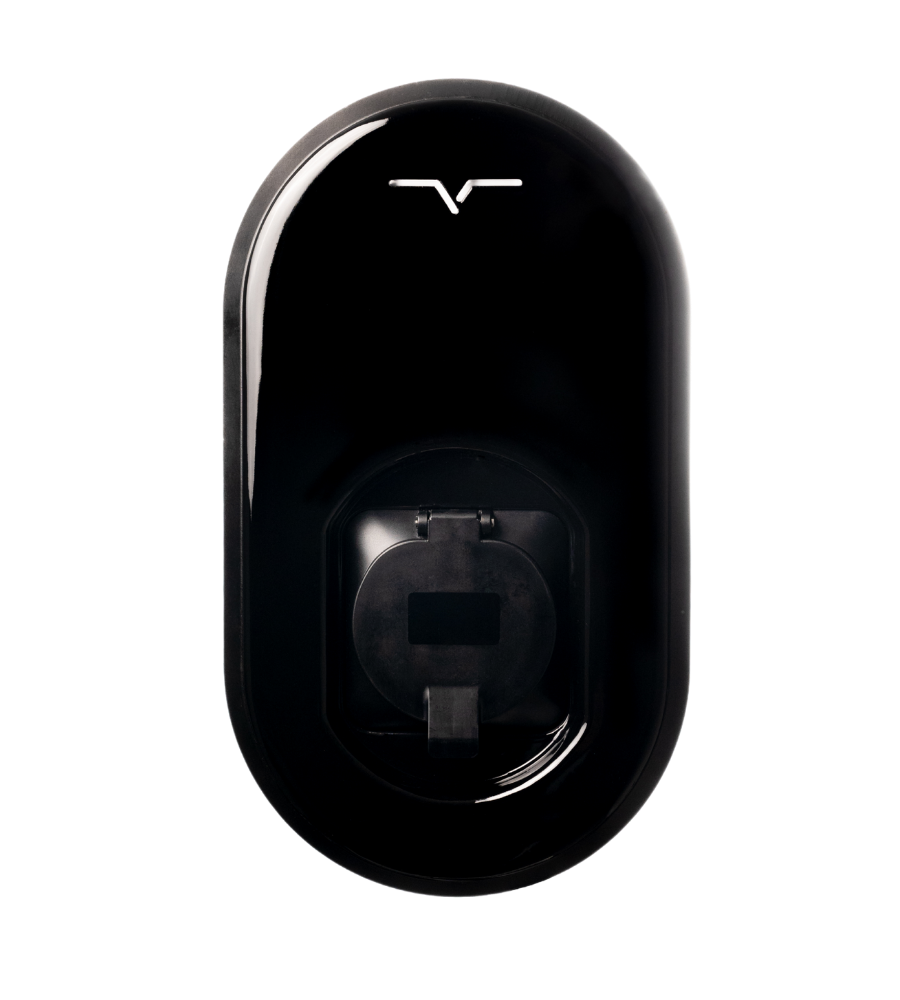
Choosing between the Indra Smart LUX and the VCHRGD Seven Pro is a fascinating exercise because both chargers tick almost every smart feature box — solar diversion, tariff integration, dynamic load balancing, RFID access, OCPP compliance — yet they arrive at very different price points and with very different design priorities. The Smart LUX is a beautifully engineered, UK-manufactured unit that prioritises industrial-grade durability and a razor-thin profile. The Seven Pro is a scrappy newcomer that crams a remarkable amount of tech into a box that costs nearly £200 less.
If you drive a Tesla Model 3, Model Y, or any other Type 2 EV and you want a proper smart charger that can talk to your energy tariff and make use of rooftop solar, both of these belong on your shortlist. The question is whether the Indra's superior weatherproofing and slimline aesthetics justify the premium, or whether the VCHRGD's sheer value-for-money makes it the smarter buy.
In a nutshell:
- Indra Smart LUX (£615): The UK's slimmest smart charger with class-leading IP67 waterproofing and integration with over 1,000 energy tariffs.
- VCHRGD Seven Pro (£432): The most feature-rich charger at its price, with dual solar modes, RFID cards included, and a longer 7.5m cable.
Spec Comparison
| Feature | Indra Smart LUX | VCHRGD Seven Pro |
|---|---|---|
| Price (supply-only) | From £615 (10m) / £670 (6m) | From £432 (7.5m tethered) |
| Max Power Output | 7.4kW (single-phase) | 7.4kW (single-phase) |
| Cable Length | 6m or 10m | 7.5m |
| Smart Tariff Integration | 1,000+ tariffs (inc. Octopus Agile, Intelligent Go, OVO Charge Anytime) | Octopus Intelligent Go + scheduled charging |
| Solar Diversion | Yes (CT clamp included) | Yes — Solar Export + Solar Only modes (CT clamp included) |
| Connectivity | Wi-Fi (Ethernet and 4G optional at extra cost) | Wi-Fi + Bluetooth (optional 4G) |
| App | Indra App | Powerverse App (with Raya AI assistant) |
| OCPP | 1.6 | 1.6J |
| RFID | Yes (+ QR code) | Yes (2 cards included) |
| Warranty | 3 years (extendable to 5 for £100) | 3 years |
| IP / IK Rating | IP67 + IK10 | IP54 + IK10 |
| Dimensions | 201 × 306 × 78mm | 300 × 180 × 90mm |
| Weight | 3.6kg (6m cable) | ~4kg |
| Colour Options | 4 (White, Black, Stone, Grey) | Black only |
| Tethered / Untethered | Tethered only | Tethered or untethered |
Smart Tariff Integration
This is where the Indra Smart LUX pulls clearly ahead. Indra claims compatibility with over 1,000 UK energy tariffs, and crucially that includes dynamic tariffs like Octopus Agile — where electricity prices change every 30 minutes — as well as Intelligent Octopus Go and OVO Charge Anytime. According to electriccarguide.co.uk, the Smart LUX can automatically schedule charging sessions around the cheapest half-hour slots, which is exactly what you want if you are on Agile and chasing those occasional negative-price windows. chargedev.co.uk also confirms integration with tariffs from Octopus, OVO, British Gas, EDF, Scottish Power, and E.ON.
The VCHRGD Seven Pro supports Octopus Intelligent Go and offers scheduled charging, which covers the most popular smart tariff on the market. For most drivers, that is perfectly adequate — Intelligent Go gives you a flat ~7p/kWh rate across a generous off-peak window, and the car will be full by morning. But if you want the flexibility to hop between tariff providers or exploit Agile's variable pricing, the Indra's broader compatibility is a genuine advantage.
On a practical level, charging a 60kWh Tesla Model 3 on Intelligent Go at roughly 7p/kWh costs about £4.20 for a full charge — around 210 miles of range. Both chargers can deliver that saving; the Indra simply gives you more tariff options to play with.
Solar Diversion
Both chargers include a CT clamp as standard for solar PV diversion, which is a welcome touch — some rivals charge £50–100 extra for this. The Indra Smart LUX diverts surplus solar generation to your EV automatically, a feature confirmed by chargeguru.com and electricpoint.com.
The VCHRGD Seven Pro goes a step further by offering two distinct solar modes: Solar Export, which diverts excess generation that would otherwise be exported to the grid, and Solar Only, which charges exclusively from solar power and draws nothing from the grid at all. That second mode is particularly useful if you have a decent-sized solar array (4kW+) and want to guarantee zero-cost charging on sunny days, even if it means slower charge rates.
For a typical UK home with a 4kW solar installation generating around 3,400kWh per year, solar diversion could save roughly £200–300 annually depending on your export tariff and driving habits. Both chargers capture that saving effectively, but the Seven Pro's dual-mode approach gives you finer control.
Build Quality and Design
Here is where the Indra Smart LUX truly distinguishes itself. At just 78mm deep, it is the slimmest tethered smart charger on the UK market — practically flush against the wall. As electriccarguide.co.uk notes, it comes in four colour options inspired by the brand's Worcestershire roots: Indra White, Symphony Black, Malvern Stone, and Elgar Grey. If kerb appeal matters to you, the LUX looks genuinely premium.
More importantly, the IP67 rating means the Smart LUX is fully submersible — it can handle being submerged in water up to one metre deep. Combined with IK10 impact resistance, it is arguably the toughest home charger money can buy. Built-in PEN fault detection and surge protection as standard also simplify installation, as noted by chargeguru.com.
The VCHRGD Seven Pro is no slouch — IP54 is perfectly adequate for outdoor UK use and will handle rain, wind, and the occasional wayward football without issue. It also carries an IK10 impact rating. But IP54 is not in the same league as IP67 if your charger is exposed to heavy coastal weather, flooding risk, or regular jet-washing. The Seven Pro is only available in black, which suits most homes but offers no personalisation.
App and Connectivity
The Indra App provides real-time energy monitoring, charge scheduling, remote locking, and charge limit setting by miles, kWh, or cost. Wi-Fi comes as standard, with Ethernet and 4G available as options — though 4G adds a hefty £250 to the price, which is worth noting if you have poor Wi-Fi signal at your charging point.
The VCHRGD Seven Pro uses the third-party Powerverse app, which includes an AI assistant called Raya. It offers Wi-Fi and Bluetooth connectivity as standard. The app handles scheduling, solar mode selection, and energy monitoring. The risk here is platform dependency — if the Powerverse partnership were to change, the app experience could be affected. That said, OCPP 1.6J compliance means the Seven Pro could theoretically connect to alternative management platforms if needed.
Price and Value
| Cost Element | Indra Smart LUX | VCHRGD Seven Pro |
|---|---|---|
| Unit price (supply-only) | From £615 | From £432 |
| Typical installation | £300–500 | £400–600 |
| Total installed range | £915–£1,115 | £832–£1,032 |
| After OZEV grant (if eligible) | £415–£615 | £332–£532 |
The VCHRGD Seven Pro is approximately £83–183 cheaper on a fully installed basis, which is meaningful. Both chargers include CT clamps for solar and load balancing, and both include PEN fault detection. The Seven Pro also includes two RFID cards in the box and offers a longer 7.5m cable as standard — the Indra's 6m version actually costs more at £670 supply-only than the 10m at £615, so check which cable length suits your setup.
For the price difference, the Indra gives you IP67 weatherproofing, broader tariff integration, four colour choices, and a slimmer profile. Whether that is worth an extra £100–180 depends entirely on your priorities.
Who Should Buy Which?
Buy the Indra Smart LUX if:
- You want the toughest weatherproofing available (IP67) — ideal for exposed coastal or flood-prone locations
- You are on, or plan to switch to, Octopus Agile or another dynamic tariff and want automatic half-hourly optimisation
- Aesthetics matter and you want colour choices to match your home
- You prefer a UK-designed and manufactured product with the slimmest possible wall profile
- You want built-in surge protection and PEN fault detection to simplify installation
Buy the VCHRGD Seven Pro if:
- You want maximum smart features for the lowest price — it is genuinely hard to beat at £432
- You have solar panels and want granular control with dedicated Solar Export and Solar Only modes
- You need a longer cable — 7.5m as standard versus the Indra's 6m base option
- You want the flexibility of choosing tethered or untethered versions
- You share a driveway and appreciate having two RFID cards included in the box
Our recommendation: For most UK homeowners, the VCHRGD Seven Pro offers the better deal. It matches the Indra on almost every smart feature, includes a longer cable and RFID cards, offers dual solar modes, and costs significantly less. The Indra Smart LUX earns its premium if you live somewhere with harsh weather exposure, care deeply about design, or need deep integration with dynamic energy tariffs beyond Intelligent Go. Both are excellent chargers — but the Seven Pro's price-to-feature ratio is exceptional.
For the full specs-level breakdown, see our Indra Smart LUX vs VCHRGD Seven Pro comparison page.
Read our full Indra Smart LUX review or VCHRGD Seven Pro review.
For total installed cost rankings, see our cheapest EV charger guide.
We’ll handle the installation
We’ll match you with vetted UK electricians — up to 3 free quotes, no obligation.