EO Mini Pro 3 vs NexBlue Point 2: Tiny Proven vs Future-Proofed Newcomer
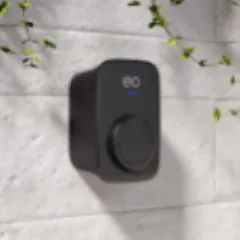
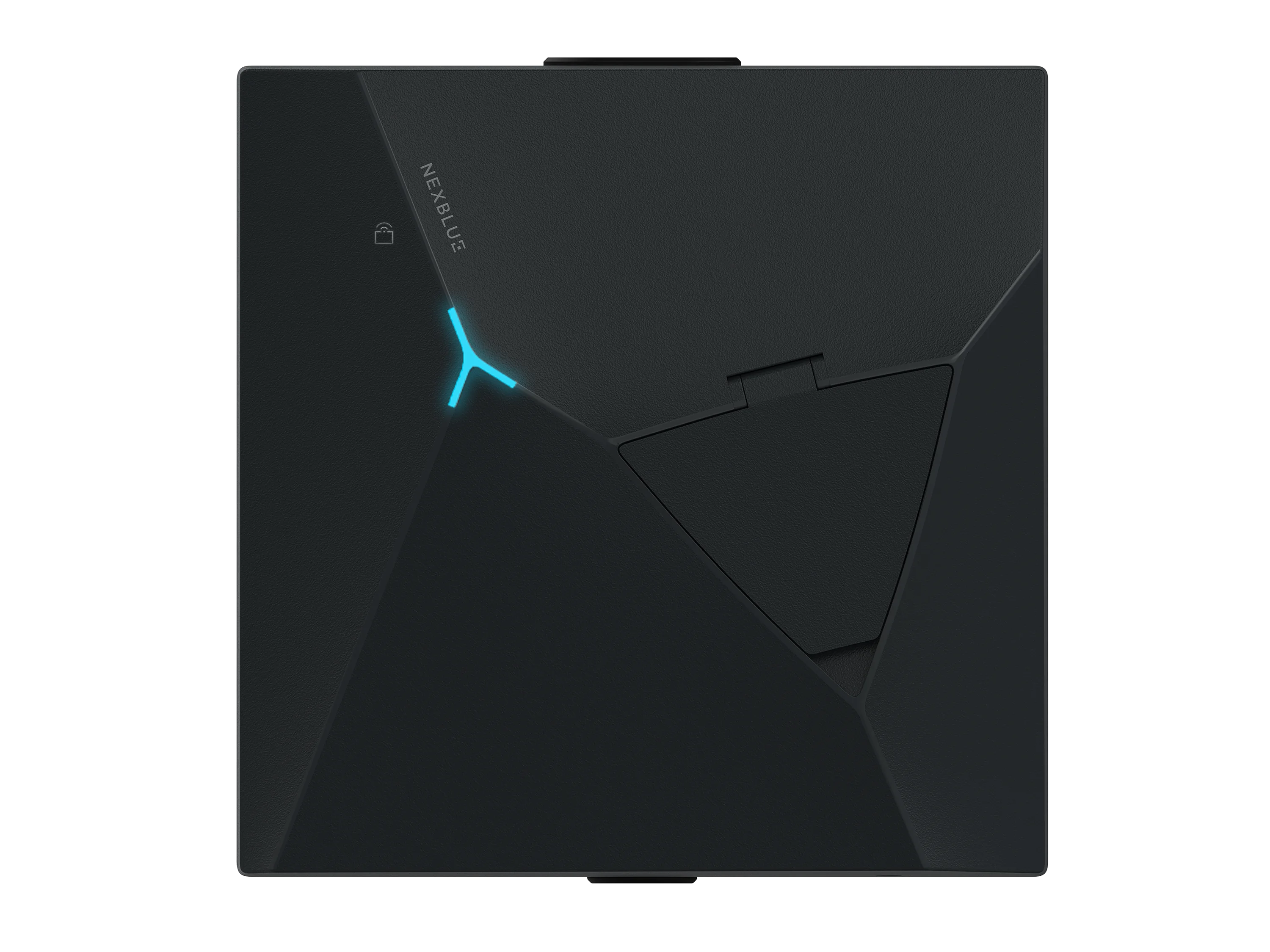
The Pocket-Sized Veteran vs the Future-Proofed Newcomer
Choosing between these two chargers is really a question of philosophy: do you go with a proven British brand that's built the smallest charger on the market, or do you take a punt on a newer manufacturer offering genuinely cutting-edge technology at a lower price?
The EO Mini Pro 3 comes from EO Charging, an established East Anglian company with a solid reputation in both residential and commercial charging electriccarguide.co.uk. It's been a fixture on installer comparison tables alongside the likes of Ohme, Zappi, and Hypervolt theevchargingcompany.co.uk. The NexBlue Point 2, by contrast, is the new kid on the block — a charger that reads like it was designed by someone who peered five years into the future and worked backwards. V2G readiness, OCPP 2.0.1, ISO 15118, lifetime free 4G — all for under £550. The catch? NexBlue simply doesn't have the long-term track record yet.
If you're weighing these two up, you're likely someone who values smart features and compact design, but you're torn between the safety of an established name and the allure of more tech for less money. Let's break it all down.
In a nutshell:
- EO Mini Pro 3 (£550): The smallest home charger on the market with proven smart features, solar diversion included, and British Gas Power+ cashback integration.
- NexBlue Point 2 (£530): A future-proofed powerhouse with V2G readiness, lifetime free 4G, and the best feature-to-price ratio we've seen — if you're comfortable with a newer brand.
Spec Comparison
| Feature | EO Mini Pro 3 | NexBlue Point 2 |
|---|---|---|
| Price | £550 | £530–600 |
| Power Output | 7.2kW | 7.4kW |
| Cable Type | Tethered (5m Type 2) | Untethered (Type 2 socket) |
| Smart Tariffs | Presets for Octopus Go, EDF Go Electric, others | EcoPilot automatic tariff integration |
| Solar Diversion | Yes (CT clamp included) | Yes (requires NexBlue Zen accessory) |
| Connectivity | Wi-Fi, Bluetooth, Ethernet (4G optional) | Wi-Fi, Bluetooth, 4G eSIM (lifetime free) |
| Warranty | 3 years | 5 years |
| IP / IK Rating | IP54 | IP54 + IK10 |
| Dimensions | 215mm × 140mm × 100mm | 235mm × 230mm × 107mm |
| Weight | ~2.5 kg | 2.1 kg |
| V2G Ready | No | Yes (ISO 15118) |
| OCPP | OCPP 1.6J | OCPP 1.6-J and 2.0.1 |
Smart Tariff Integration
Smart charging is where over 80% of the real savings happen for UK EV owners tinyeco.com. On a tariff like Octopus Intelligent Go at roughly 7p/kWh off-peak, charging a 60kWh Tesla Model 3 costs around £4.20 — compared to £30+ at a public rapid charger. Both chargers support smart scheduling, but they go about it differently.
The EO Mini Pro 3 offers smart tariff presets via the EO app, with pre-configured profiles for Octopus Go, EDF Go Electric, and others. It's a straightforward approach: pick your tariff, and the charger schedules sessions during your cheapest window. There's also the British Gas/Hive Power+ integration, which credits back 25% of your charging costs — a genuine perk if you're already in the Hive ecosystem.
The NexBlue Point 2 takes a more automated approach with its EcoPilot feature, which integrates directly with your tariff to find the cheapest rates without manual preset selection. It also supports OCPP 2.0.1, which is the newer communication standard that energy suppliers and aggregators are increasingly building around. For anyone on a variable tariff like Octopus Agile — where prices shift every 30 minutes — this kind of granular automation could save you noticeably more over a year than simple time-window presets.
Power, Charging Speed, and Cable Considerations
The NexBlue Point 2 charges at 7.4kW versus the EO Mini Pro 3's 7.2kW. In practical terms, the difference is negligible — we're talking about 8.1 hours versus 8.3 hours for a full 60kWh battery. You won't notice it overnight.
The more meaningful difference is tethered versus untethered. The EO Mini Pro 3 comes with a 5-metre Type 2 cable permanently attached, so you simply walk up, grab the connector, and plug in. It's the more convenient option, especially in the dark or the rain. The NexBlue Point 2 is untethered only — no tethered version is available — meaning you'll need to keep a separate charging cable in your boot or mounted nearby. For a single-EV household this is mildly annoying; for a two-EV household with different connector preferences, it's actually an advantage, since anyone can bring their own cable.
Worth noting: the EO Mini Pro 3 is also available in an untethered socket variant, giving you flexibility at the point of purchase. The NexBlue doesn't offer that same choice in reverse.
Build Quality and Design
Both chargers are impressively compact. The EO Mini Pro 3 is genuinely tiny — about the size of an A5 notepad at 215mm × 140mm × 100mm and roughly 2.5 kg electriccarguide.co.uk. If you have a narrow garage wall or a tight parking space, this is likely the smallest charger that will physically fit. It's a real differentiator.
The NexBlue Point 2 is slightly larger at 235mm × 230mm × 107mm but even lighter at 2.1 kg. Where it pulls ahead is impact resistance: its IK10 rating is the highest available, meaning it can withstand 20 joules of impact — think a wayward football or a clumsy reversing manoeuvre clipping the unit. The EO Mini Pro 3's IP54 rating handles rain and dust perfectly well, but it doesn't carry a published IK impact rating in the same league.
Both units operate from -25°C to +50°C, so British winters are no concern whatsoever.
Connectivity and Future-Proofing
The EO Mini Pro 3 offers Wi-Fi, Bluetooth, and Ethernet — that last one being a genuine advantage if your Wi-Fi signal is weak near the driveway. Ethernet provides the most reliable connection of any home charger, and very few competitors include it. 4G is available as an optional add-on if you need it.
The NexBlue Point 2 counters with a built-in 4G eSIM that comes with a lifetime free data subscription. No extra cost, no monthly fee — it just works. For garages or driveways far from your router, this is a significant convenience advantage. It also supports Wi-Fi and Bluetooth as fallbacks.
On future-proofing, the NexBlue is in a different league. ISO 15118 compliance and V2G readiness mean that when bi-directional charging becomes mainstream — allowing your car to sell energy back to the grid — you won't need to replace your charger. The OCPP 2.0.1 support ensures compatibility with emerging energy management platforms. The EO Mini Pro 3, while a capable smart charger, doesn't offer V2G readiness or OCPP 2.0.1.
Price and Value
| Cost Element | EO Mini Pro 3 | NexBlue Point 2 |
|---|---|---|
| Unit Price | £550 | £530–600 |
| Typical Installation | £400–600 | £400–600 |
| Total Installed Cost | £950–1,150 | £930–1,200 |
| After OZEV Grant (if eligible) | £450–650 | £430–700 |
At £530–£600 for the NexBlue versus £550 for the EO, these two chargers now occupy essentially the same price bracket. The NexBlue offers a longer warranty (5 years vs 3), V2G readiness, free lifetime 4G, and a fractionally faster 7.4kW charge rate. On paper, the NexBlue's feature set is hard to beat at this price.
The EO Mini Pro 3 counters with its proven track record, the included tethered cable, Ethernet connectivity, and the British Gas Power+ 25% cashback. At near-identical pricing, the decision comes down to whether you prefer the NexBlue's future-proofing and brand-new tech or the EO's established ecosystem and tethered convenience.
Who Should Buy Which?
Buy the EO Mini Pro 3 if:
- You have a tight installation space and need the absolute smallest charger available
- You prefer a tethered cable for grab-and-go convenience
- You're in the British Gas/Hive ecosystem and want the Power+ 25% cashback
- You value Ethernet connectivity for a rock-solid connection
- You'd rather buy from an established UK brand with a proven track record
Buy the NexBlue Point 2 if:
- You want the best feature-to-price ratio currently on the UK market
- Future-proofing matters to you — V2G, ISO 15118, and OCPP 2.0.1 are genuinely forward-looking
- You need built-in 4G without paying extra or a monthly subscription
- You prefer an untethered socket for a cleaner look or multi-vehicle flexibility
- A 5-year warranty gives you more peace of mind than a 3-year one
Our recommendation: For most buyers in early 2025, the NexBlue Point 2 offers extraordinary value. It's cheaper, more future-proofed, comes with a longer warranty, and includes lifetime 4G as standard. The feature gap between these two chargers is substantial, and it favours the NexBlue at every turn — except for brand maturity and the tethered cable option. If you're comfortable being a relatively early adopter of a newer brand, the Point 2 is the smarter buy. But if you need the smallest possible unit, want a tethered cable, or simply sleep better knowing your charger comes from an established manufacturer, the EO Mini Pro 3 remains a thoroughly competent choice that won't let you down.
For the full specs-level breakdown, see our EO Mini Pro 3 vs NexBlue Point 2 comparison page.
Read our full EO Mini Pro 3 review or NexBlue Point 2 review.
If you have solar panels, see our best EV charger for solar panels guide.
We’ll handle the installation
We’ll match you with vetted UK electricians — up to 3 free quotes, no obligation.