Cord Zero vs Rolec EVO: Connectivity King vs Value Champion
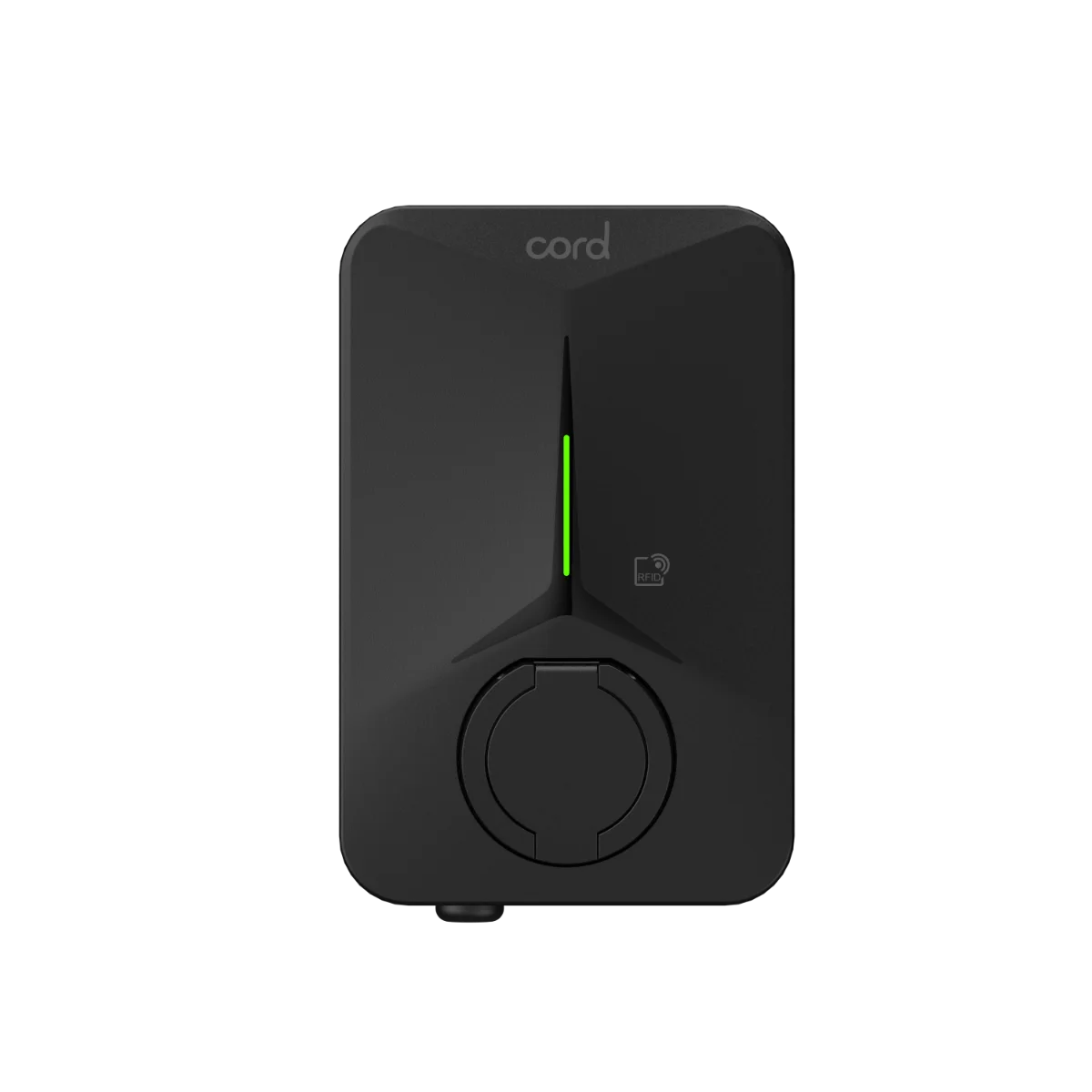
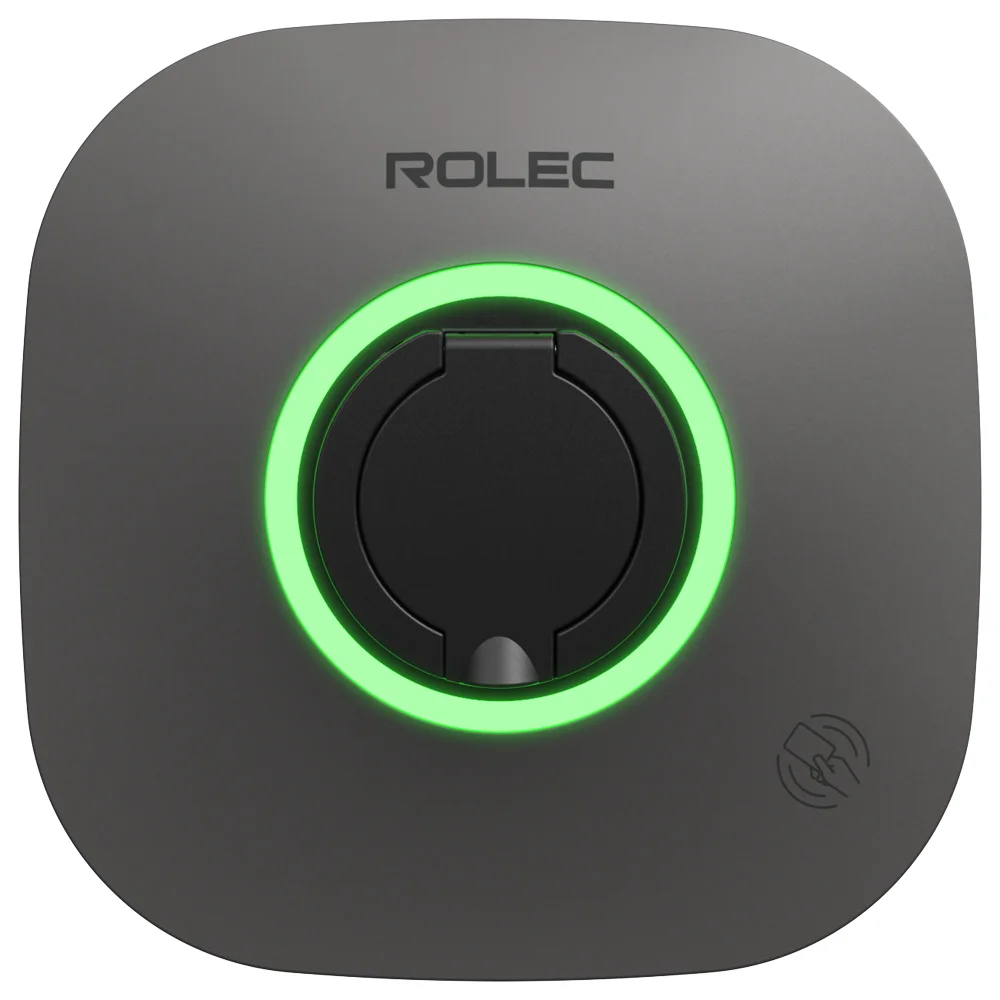
Connectivity King vs Value Champion: Two Smart Chargers That Punch Above Their Weight
If you're shopping for a feature-packed home EV charger without spending north of £700, the Cord Zero and Rolec EVO should both be on your shortlist. These two chargers occupy a fascinating sweet spot in the UK market — both deliver 7.4kW smart charging with solar compatibility, dynamic load balancing, and built-in safety features that can genuinely reduce your installation bill. Yet they take notably different approaches to getting there.
The Cord Zero leads with its dual Wi-Fi and 4G connectivity, offering the most reliable connection of any home charger we've tested. The Rolec EVO counters with a lower price tag, superior solar integration modes, and a 5-year warranty from an established UK manufacturer. Choosing between them comes down to what matters most to you: rock-solid connectivity and a tethered cable, or maximum value with built-in solar smarts. As tinyeco.com notes, smart functionality and solar integration are now key differentiators in the UK home charger market — and both of these units deliver on that front.
In a nutshell:
- Cord Zero (£555): The most reliably connected smart charger on the market, with dual Wi-Fi + 4G failover and a tethered cable for plug-and-go convenience.
- Rolec EVO (£449): Outstanding value from a UK manufacturer, with dedicated solar diversion modes and a 5-year warranty as standard.
Spec Comparison
| Feature | Cord Zero | Rolec EVO |
|---|---|---|
| Price | £555 (tethered 5m) | £449 (untethered) |
| Power | 7.4kW (single-phase) | 7.4kW (single-phase) |
| Cable | Tethered, 5m (8m available for £625) | Untethered — use your own Type 2 cable |
| Smart tariff support | Octopus Go, OVO, British Gas, EDF and more | Charge scheduling via app |
| Solar integration | Compatible but basic | Eco + Eco+ modes with CT clamp included |
| Connectivity | Wi-Fi 2.4GHz + 4G (multi-network SIM) | Wi-Fi 6 + Bluetooth 5.0 + Ethernet |
| Warranty | 3 years (currently free upgrade to 5 years) | 5 years as standard |
| IP / IK Rating | IP54 + IK08 | IP54 + IK10 |
| Type | Tethered (Type 2) | Untethered (Type 2 socket) |
| Weight | ~5 kg | 3 kg |
| OCPP | 1.6J | 1.6J |
| Safety | RCD, PEN detection, surge + overvoltage | Type A RCD + 6mA DC protection, PME/PEN detection |
App, Connectivity and Smart Tariff Integration
This is where the philosophical divide between these two chargers becomes clearest. The Cord Zero's headline feature is its dual Wi-Fi + 4G connectivity with automatic failover. If your home Wi-Fi drops — and let's be honest, garage Wi-Fi can be notoriously patchy — the built-in multi-network 4G SIM takes over seamlessly. For scheduled overnight charging on tariffs like Octopus Go (7.5p/kWh between 00:30 and 04:30) or Octopus Intelligent Go (~7p/kWh off-peak), that reliability matters enormously. A missed schedule because your Wi-Fi wobbled at 2am means charging at the standard rate instead, potentially costing you three to four times more per kWh.
The Cord Zero also explicitly lists broad EV tariff compatibility with Octopus Go, OVO, British Gas, and EDF, making it straightforward to integrate with whichever smart tariff you're on. The Rolec EVO offers charge scheduling through its app, but doesn't have 4G cellular fallback — it relies on Wi-Fi 6, Bluetooth 5.0, or a wired Ethernet connection. The Wi-Fi 6 standard is faster and more efficient than the Cord's 2.4GHz Wi-Fi, and the Ethernet option provides a bulletproof wired connection if you can run a cable to the charger. But for most installations where the charger sits on an outside wall some distance from the router, the Cord's 4G backup is the more practical safety net.
Both apps are honest works-in-progress. The Cord AI app is functional but basic compared to polished offerings from Ohme or Tesla, while the Rolec EVO app is still maturing as a newer product. Neither will wow you with slick design, but both handle the essentials — scheduling, energy monitoring, and RFID management.
Solar Diversion
If you have solar panels — or plan to install them — the Rolec EVO has a clear advantage here. It ships with dedicated Eco and Eco+ modes and includes a CT clamp in the box for monitoring your solar generation. Eco mode prioritises solar energy but will top up from the grid if needed, while Eco+ mode charges exclusively from surplus solar generation. This is a meaningful feature for anyone looking to maximise self-consumption and minimise grid costs during summer months.
The Cord Zero is listed as solar compatible, but its integration is more basic and doesn't offer the same dedicated multi-mode system. If solar diversion is a priority for you, the Rolec EVO's approach is more akin to what you'd find on premium solar chargers, yet at a fraction of the price. As cord-ev.com highlights, home charging paired with off-peak tariffs can save over 50% compared to daytime rates — but combining solar diversion with smart scheduling can push those savings even further.
Build Quality, Design and Installation
Both chargers are IP54-rated for weather protection, so rain, dust, and the general misery of a British winter won't trouble either unit. The Rolec EVO edges ahead on impact resistance with an IK10 rating — the highest on the scale — compared to the Cord Zero's IK08. In practical terms, the EVO can withstand a harder knock, which might matter if it's mounted near a driveway where car doors or shopping trolleys could make contact. The EVO is also notably lighter at 3 kg versus the Cord's 5 kg, and more compact at 260mm × 260mm × 112mm. It even picked up a Red Dot Award in 2024 for its design.
Both chargers include built-in PEN fault detection, which is a genuine money-saver. Without it, your installer would need to fit a separate PEN device or drive an earth rod — typically adding £100–200 to your installation bill. Both units also include RCD protection as standard. The Cord Zero adds surge and overvoltage protection to its safety suite, while the Rolec EVO includes 6mA DC leakback protection.
The key design difference is tethered versus untethered. The Cord Zero comes with a permanently attached Type 2 cable (5m or 8m), so you simply grab the connector and plug in — no faffing about fetching a cable from the boot. The Rolec EVO is untethered only, meaning you'll need to supply your own Type 2 cable and plug it in each time. This keeps the unit looking tidier on the wall and offers flexibility if you have multiple EVs with different cable lengths, but it's undeniably less convenient for daily use. The EVO also lacks a cable locking mechanism on the unit itself, which is worth noting if security is a concern.
Price and Value
| Cost | Cord Zero (5m tethered) | Rolec EVO |
|---|---|---|
| Unit price | £555 | £449 |
| Installation estimate | £400–500 | £400–600 |
| Total installed cost | £955–1,055 | £849–1,049 |
| After OZEV grant (if eligible) | £455–555 | £349–549 |
The Rolec EVO is £106 cheaper at the unit level, and that gap could widen or narrow depending on installation specifics. Both chargers' built-in PEN detection should keep installation costs at the lower end of their respective ranges. Remember, the OZEV grant of up to £500 is available for eligible renters and flat owners, bringing the EVO's potential entry point below £350 fully installed — genuinely remarkable for a charger with this feature set.
The Cord Zero's current promotional 5-year warranty upgrade narrows one of the EVO's key advantages, but it's worth noting that this is a promotional offer that may end. The Rolec EVO's 5-year warranty is standard and guaranteed, backed by a manufacturer with over a decade in the UK EV charging industry. For long-term peace of mind, that's a meaningful distinction.
Who Should Buy Which?
Buy the Cord Zero if:
- Your charger location has poor or unreliable Wi-Fi and you need 4G cellular failover
- You want a tethered cable for maximum daily convenience — just grab and plug in
- You're on a specific smart tariff like Octopus Go, OVO, or British Gas and want confirmed compatibility
- You prefer a single unit with comprehensive built-in safety features including surge protection
- You can take advantage of the current free 5-year warranty upgrade
Buy the Rolec EVO if:
- You have solar panels and want dedicated Eco/Eco+ diversion modes with an included CT clamp
- You want the best value for money — more features per pound than almost anything else on the market
- A guaranteed 5-year warranty from an established UK manufacturer matters to you
- You prefer a compact, lightweight, award-winning design on your wall
- You don't mind using your own Type 2 cable and want the flexibility of an untethered setup
Our recommendation: For most UK buyers, the Rolec EVO represents the smarter purchase. At £449, it delivers solar integration, dynamic load balancing, RFID, OCPP, and a 5-year warranty that would typically cost £150–200 more from rival brands. It's an extraordinary amount of charger for the money. However, if your garage or driveway has patchy Wi-Fi and you rely on overnight smart tariff charging, the Cord Zero's 4G failover is a genuinely unique advantage that could save you far more than the £106 price difference over time. A single missed overnight schedule on Octopus Go — charging at 24p instead of 7.5p — costs roughly £10 extra for a full 60kWh charge. That adds up quickly.
For the full specs-level breakdown, see our Cord Zero vs Rolec EVO comparison page.
Read our full Cord Zero review or Rolec EVO review.
We’ll handle the installation
We’ll match you with vetted UK electricians — up to 3 free quotes, no obligation.