Cord Zero vs NexBlue Point 2: Proven Reliability or Future-Proofed Tech?
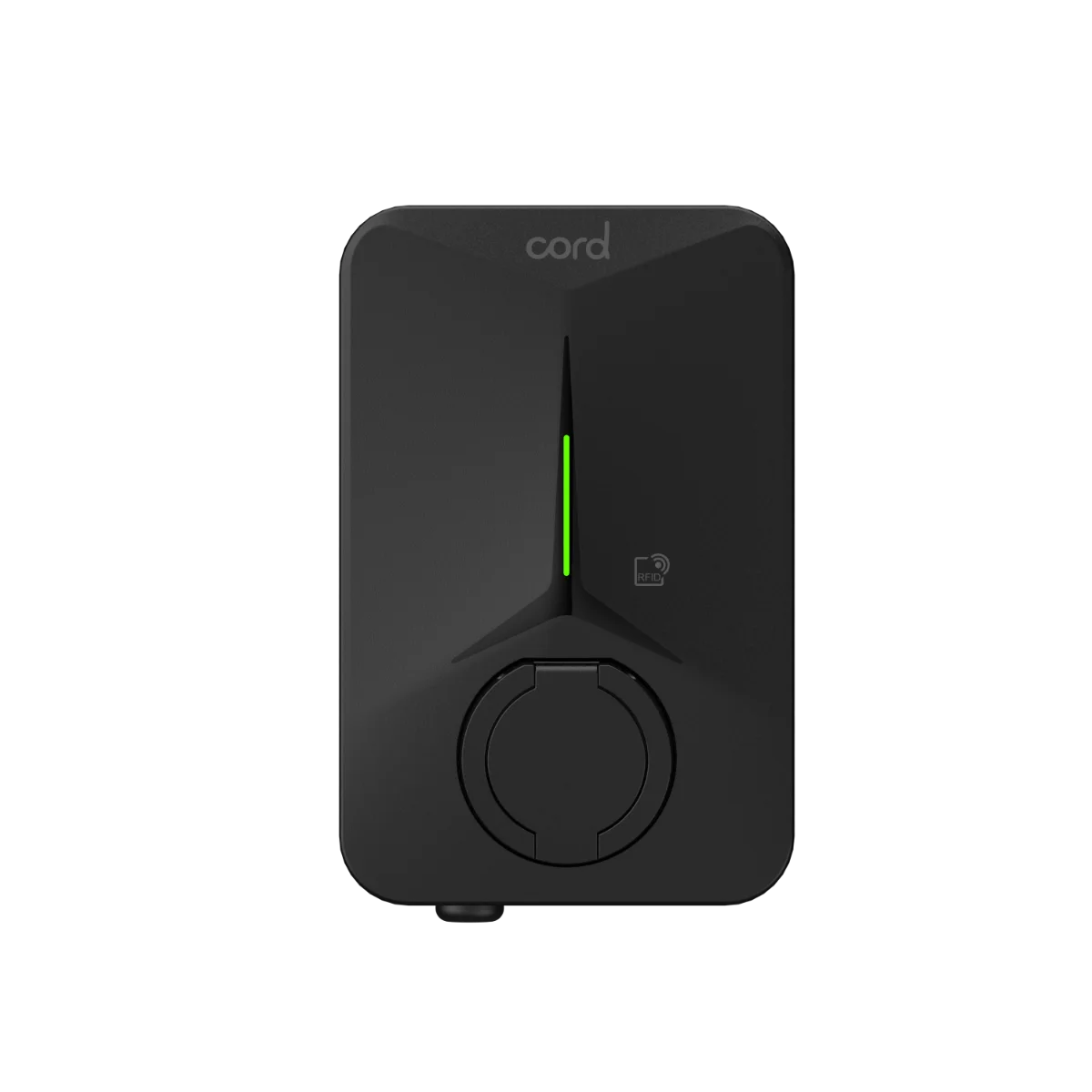
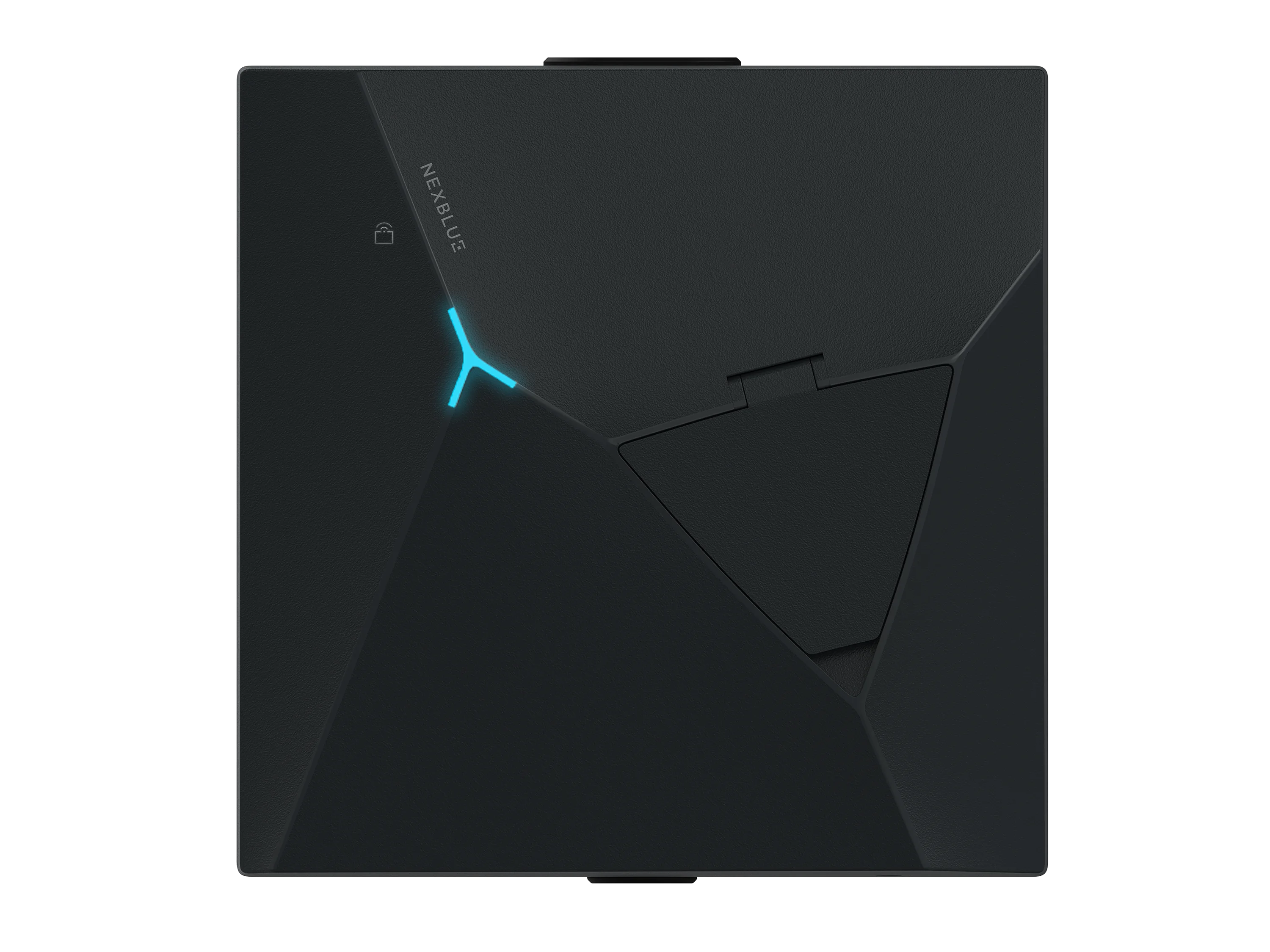
Proven Reliability vs Future-Proofed Tech: Two Budget Smart Chargers Go Head-to-Head
If you're shopping for a home EV charger under £600, you've likely noticed that the market has exploded with compelling options beyond the usual suspects. The Cord Zero and NexBlue Point 2 both sit in that sweet spot — affordable enough to feel like a sensible purchase, yet packed with smart features that rival chargers costing significantly more. Both deliver 7.4kW charging (the maximum most UK single-phase homes can handle), both offer smart tariff integration, and both include 4G connectivity as standard — something you won't find on every charger at this price.
But they take fundamentally different approaches. The Cord Zero is a tethered, no-fuss charger that prioritises rock-solid connectivity and built-in safety features to keep installation costs down. The NexBlue Point 2, meanwhile, is an untethered unit that bets big on the future — V2G readiness, ISO 15118 Plug & Charge support, and OCPP 2.0.1 compliance. The question is whether you want a charger that works brilliantly today, or one that's designed to keep up with where the industry is heading.
In a nutshell:
- Cord Zero (£555): The most reliably connected budget charger on the market, with dual Wi-Fi + 4G failover and comprehensive built-in safety features that can reduce installation costs.
- NexBlue Point 2 (£530): A future-proofed smart charger with V2G readiness, lifetime free 4G, and arguably the best feature-to-price ratio available — if you're comfortable with a newer brand.
Spec Comparison
| Feature | Cord Zero | NexBlue Point 2 |
|---|---|---|
| Price | £555 (tethered 5m) | £530–£600 |
| Power | 7.4kW (single-phase) | 7.4kW (single-phase) |
| Cable | 5m tethered (8m for £625) | Untethered (own cable required) |
| Type | Tethered (Type 2) | Untethered (Type 2 socket) |
| Smart tariffs | Octopus Go, OVO, British Gas, EDF + more | EcoPilot tariff integration |
| Solar | Solar compatible | Solar surplus (requires NexBlue Zen accessory) |
| Connectivity | Wi-Fi 2.4GHz + 4G (multi-network SIM) | Wi-Fi + Bluetooth + 4G eSIM (lifetime free) |
| Protocols | OCPP 1.6J | OCPP 1.6-J + 2.0.1, ISO 15118, V2G ready |
| Warranty | 3 years (currently free upgrade to 5 years) | 5 years |
| IP Rating | IP54 + IK08 | IP54 + IK10 |
| Weight | ~5 kg | 2.1 kg |
| Dimensions | 320 × 210 × 132mm | 235 × 230 × 107mm |
Smart Tariff Integration
Both chargers offer smart tariff integration, which is arguably the single most important feature for saving money. On a tariff like Octopus Intelligent Go at around 7p/kWh off-peak, charging a typical 60kWh Tesla battery costs roughly £4.20 — compared to over £30 at many public rapid chargers. As tinyeco.com notes, smart scheduling with an EV tariff can be up to 10 times cheaper than public charging.
The Cord Zero explicitly supports a broad range of UK tariffs including Octopus Go, OVO, British Gas, and EDF, making it straightforward to pair with whichever supplier you're already using. The NexBlue Point 2 takes a slightly different approach with its proprietary EcoPilot system, which automatically identifies and charges during the cheapest rate windows. This sounds impressive in theory, though the breadth of tariff compatibility isn't as clearly documented as the Cord Zero's extensive list.
For most buyers on a standard time-of-use tariff like Octopus Go (7.5p/kWh between 00:30 and 04:30), either charger will handle scheduled charging without issue. But if you're on a more dynamic tariff like Octopus Agile with its half-hourly variable pricing, the NexBlue's automated EcoPilot approach could prove more valuable — provided it supports Agile's granular pricing windows.
App and Connectivity
This is where both chargers genuinely differentiate themselves from the competition, and from each other. The Cord Zero features dual Wi-Fi and 4G connectivity with automatic failover — meaning if your home Wi-Fi drops out (as it inevitably does), the charger seamlessly switches to 4G to maintain its connection. For scheduled charging on a smart tariff, this is genuinely important: lose connectivity at the wrong moment and your car might not charge at all, or worse, charge at peak rates.
The NexBlue Point 2 goes one step further on paper with triple connectivity — Wi-Fi, Bluetooth, and 4G via a built-in eSIM with a lifetime free data subscription. That lifetime free 4G is a notable perk; some competitors charge ongoing fees or rely solely on Wi-Fi. The addition of Bluetooth is handy for initial setup and direct control when you're standing next to the unit.
Where the Cord Zero falls short is its app. The Cord AI app is functional but basic compared to the polished experiences offered by brands like Tesla or Ohme. The NexBlue's myNexBlue app is similarly unproven, given the brand's relative youth. Neither charger will wow you with app design, but both get the job done for scheduling, monitoring, and energy tracking. As cord-ev.com highlights, Wi-Fi and 4G app control for scheduling and monitoring is central to the Cord experience.
Build Quality and Design
The NexBlue Point 2 is remarkably compact and light at just 2.1 kg and 235 × 230 × 107mm — making it one of the smallest and lightest home chargers on the UK market. It also boasts an IK10 impact resistance rating, the highest available, meaning it can withstand serious knocks. If your charger is mounted on a driveway wall where it might catch a wing mirror or a wayward football, that's a genuine advantage.
The Cord Zero is larger and heavier at around 5 kg (with the 8m tethered cable), which is expected given it includes a built-in cable. Its IK08 impact rating is still very good — sufficient for most domestic installations — and it matches the NexBlue's IP54 weatherproofing. The Cord Zero's built-in safety suite including RCD, PEN fault detection, surge, and overvoltage protection can potentially save you money at installation, as your electrician may not need to add as many protective devices to your consumer unit.
The tethered vs untethered question is a personal one. As voltsmonster.com puts it, a tethered charger means you simply grab the cable and plug in — no rummaging in the boot. But an untethered socket like the NexBlue's looks cleaner on the wall and offers flexibility if you have multiple EVs with different cable lengths.
Installation Considerations
The Cord Zero quotes a typical installation cost of £400–£500, with cord-ev.com noting a turnaround of as little as two weeks from order to installation. Its comprehensive built-in safety features may reduce the need for additional consumer unit work, potentially keeping you at the lower end of that range.
The NexBlue Point 2's installation range is slightly wider at £400–£600. The CT clamp for dynamic load balancing is included in the box, which is a cost saver — some competitors charge extra for this. However, NexBlue is a newer brand with a smaller installer network, which could mean longer wait times or fewer options depending on your location. The Cord Zero also has a smaller network than the major established brands, but appears to have a more developed installation infrastructure at this stage.
Both chargers are OZEV-grant eligible for qualifying renters and flat owners, knocking up to £500 off your installation bill.
Price and Value
| Cost | Cord Zero (5m tethered) | NexBlue Point 2 |
|---|---|---|
| Unit price | £555 | £530–£600 |
| Installation | £400–£500 | £400–£600 |
| Total installed | £955–£1,055 | £930–£1,200 |
| After OZEV grant | £455–£555 | £430–£700 |
On pure unit price, the NexBlue Point 2 starts at £25 less than the Cord Zero. But remember: the NexBlue is untethered, so you'll need your own Type 2 charging cable, which typically costs £100–£200. Factor that in and the Cord Zero's tethered convenience becomes the better value proposition for most buyers.
The NexBlue's standard 5-year warranty edges ahead of the Cord Zero's 3-year cover, though Cord is currently offering a free upgrade to 5 years — a promotional offer that may not last indefinitely. Feature-for-feature, the NexBlue packs in more future-proofing (V2G, OCPP 2.0.1, ISO 15118) at a similar price, which is genuinely impressive for a newcomer.
Who Should Buy Which?
Buy the Cord Zero if:
- You want a tethered charger with the cable ready to grab and plug in
- Reliable connectivity is your top priority — the dual Wi-Fi + 4G failover is best-in-class
- You value built-in safety features (RCD, PEN detection) that can reduce installation costs
- You want broad, proven compatibility with major UK smart tariffs like Octopus Go and OVO
- You prefer a brand with a more established installation network and faster turnaround
Buy the NexBlue Point 2 if:
- You want a future-proofed charger with V2G readiness and ISO 15118 Plug & Charge support
- You prefer an untethered, ultra-compact unit that sits discreetly on your wall
- A guaranteed 5-year warranty (not promotional) matters to you
- You're comfortable being an early adopter of a newer brand with less long-term reliability data
- You want OCPP 2.0.1 compliance for maximum compatibility with future energy platforms
Our recommendation: For most UK homeowners buying a charger today, the Cord Zero is the safer, more practical choice. Its tethered cable, proven tariff compatibility, and dual-connectivity failover make it a charger you can install and forget about — it just works. However, if you're the sort of buyer who likes to be ahead of the curve, the NexBlue Point 2's V2G readiness and OCPP 2.0.1 support could prove genuinely valuable as bi-directional charging becomes a reality in the UK over the next few years. Just be aware you're betting on a younger brand, and you'll need to budget for a separate charging cable.
For the full specs-level breakdown, see our Cord Zero vs NexBlue Point 2 comparison page.
Read our full Cord Zero review or NexBlue Point 2 review.
We’ll handle the installation
We’ll match you with vetted UK electricians — up to 3 free quotes, no obligation.